
Free written scope consultation - allowances, timeline, and change-order rules on paper before a single trade is scheduled

 Before
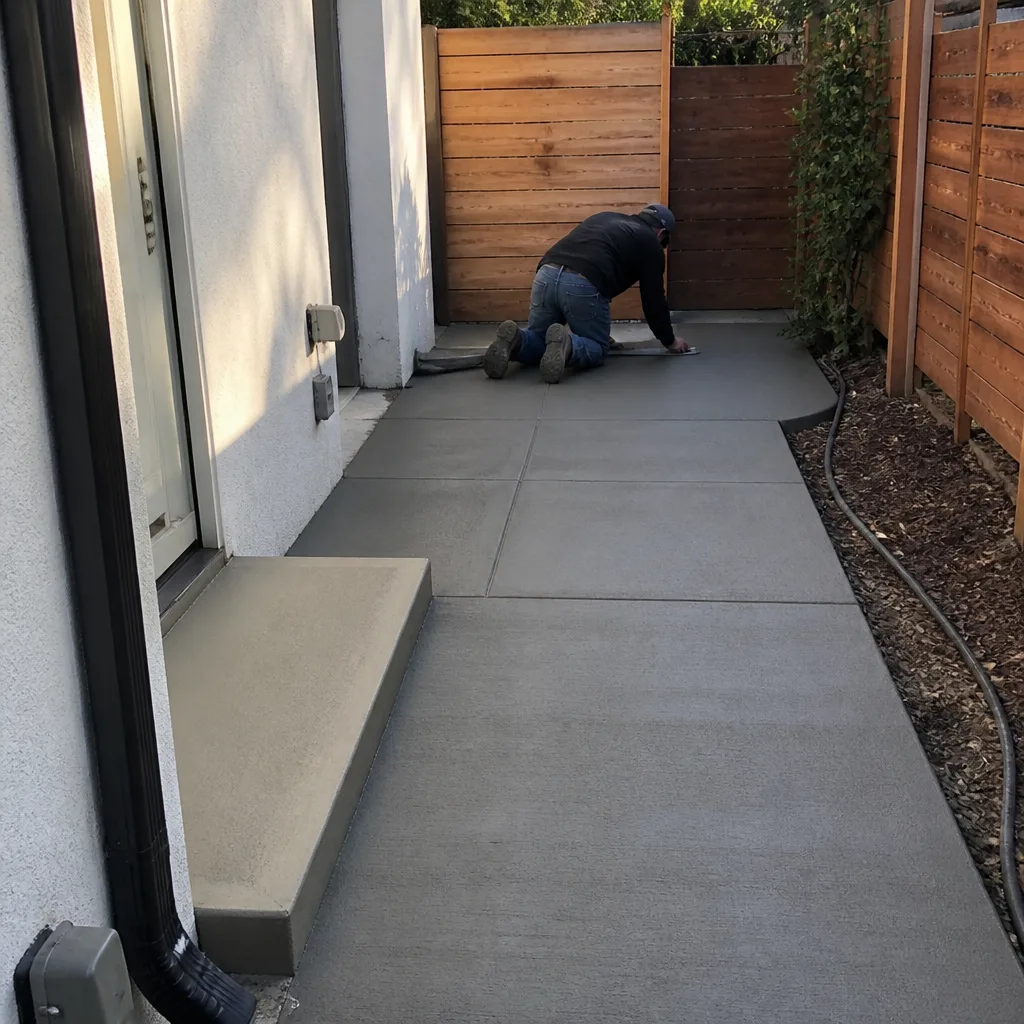 After
After Before
 After
After Before
 After
AfterFast, Reliable Roofing Across Rio Del Mar
Roof replacement in Rio Del Mar typically runs $8,000-$20,000 for a coastal-spec job with stainless fasteners and marine underlayment, while a standing seam metal roof lands between $15,000 and $40,000. If you’re dealing with a leak or salt-corroded flashing, roof repair usually falls between $400 and $1,800. We answer the phone when you call, and we’ll give you a straight written estimate before any work begins. Call (877) 610-1318 to talk it through with Tom Barrett’s crew directly.
Why Barrett & Sons Construction Is Rio Del Mar’s Preferred Roofing Company
Tom Barrett founded this company in 1998, and his sons run the crews. That matters in Rio Del Mar because the homes here weren’t built to a single standard, they were built across three or four different decades, often as summer cottages, then patched after Loma Prieta, then patched again after a decade of salt fog. You need a roofer who’s opened enough of these houses to know what’s underneath the shingles before quoting a number.
We carry GAF shingles and standing seam metal systems on most Rio Del Mar jobs because they hold up to coastal exposure better than off-brand materials. Every scope, every line item, every change order arrives in writing before a single nail moves. And every job ends with the 90-Day Done Right Promise: if it’s not done right, Tom comes back and makes it right, one call. That’s written on the contract, not buried in fine print.
Our Roofing team knows the difference between a beach cottage on the flats and a hillside house off Clubhouse Drive. We’re not dispatching strangers. The same names that quote your roof are the ones on it. Ask anyone on your street, or look up Tom Barrett’s name, address, and license number before you sign anything. We publish all of it.
Our Roofing Services in Rio Del Mar
We handle the full roofing scope for the community, but three jobs dominate our work in the 95001 zip code: full roof replacement on aging beach cottages, standing seam metal installation on homes that keep losing shingles to wind, and tile roof repair on the Spanish-style and Mediterranean builds scattered along the bluffs. Here’s what that looks like on the ground.
Roof Replacement & Installation
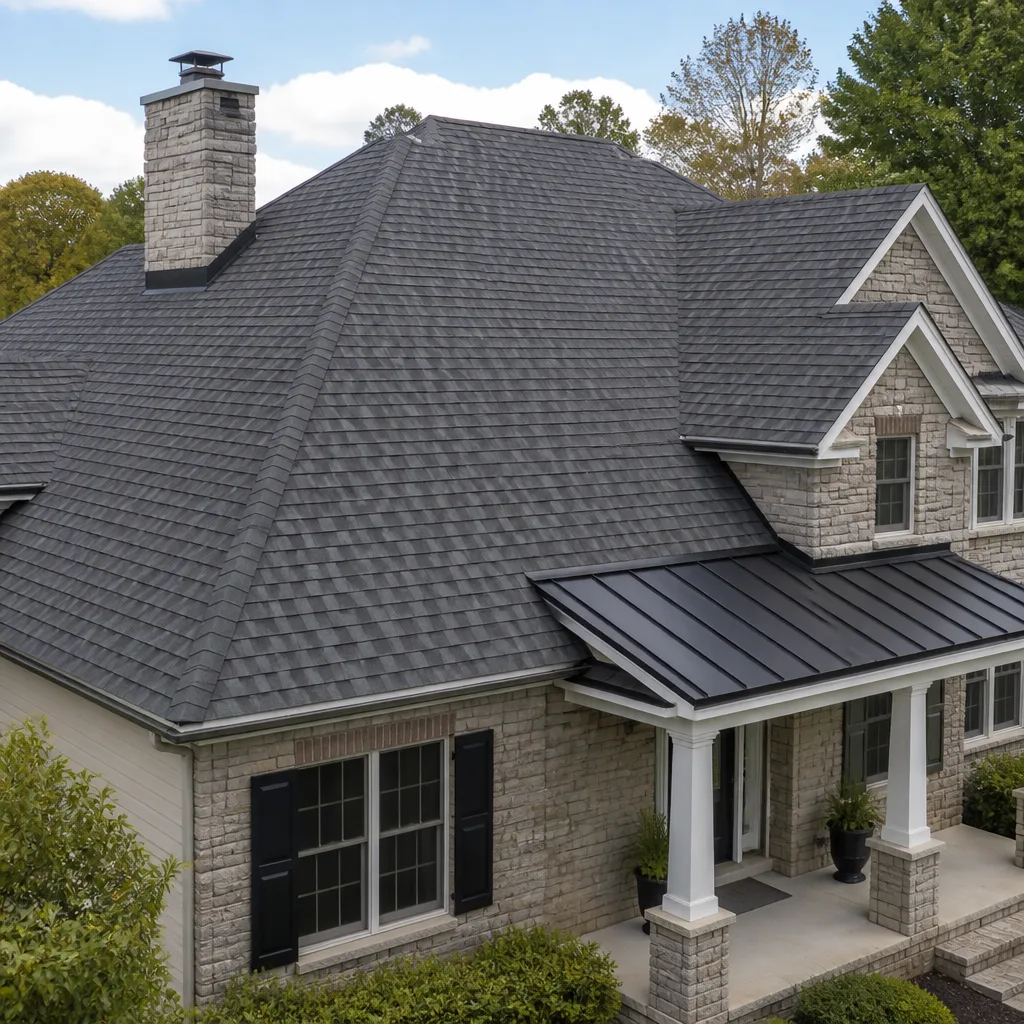
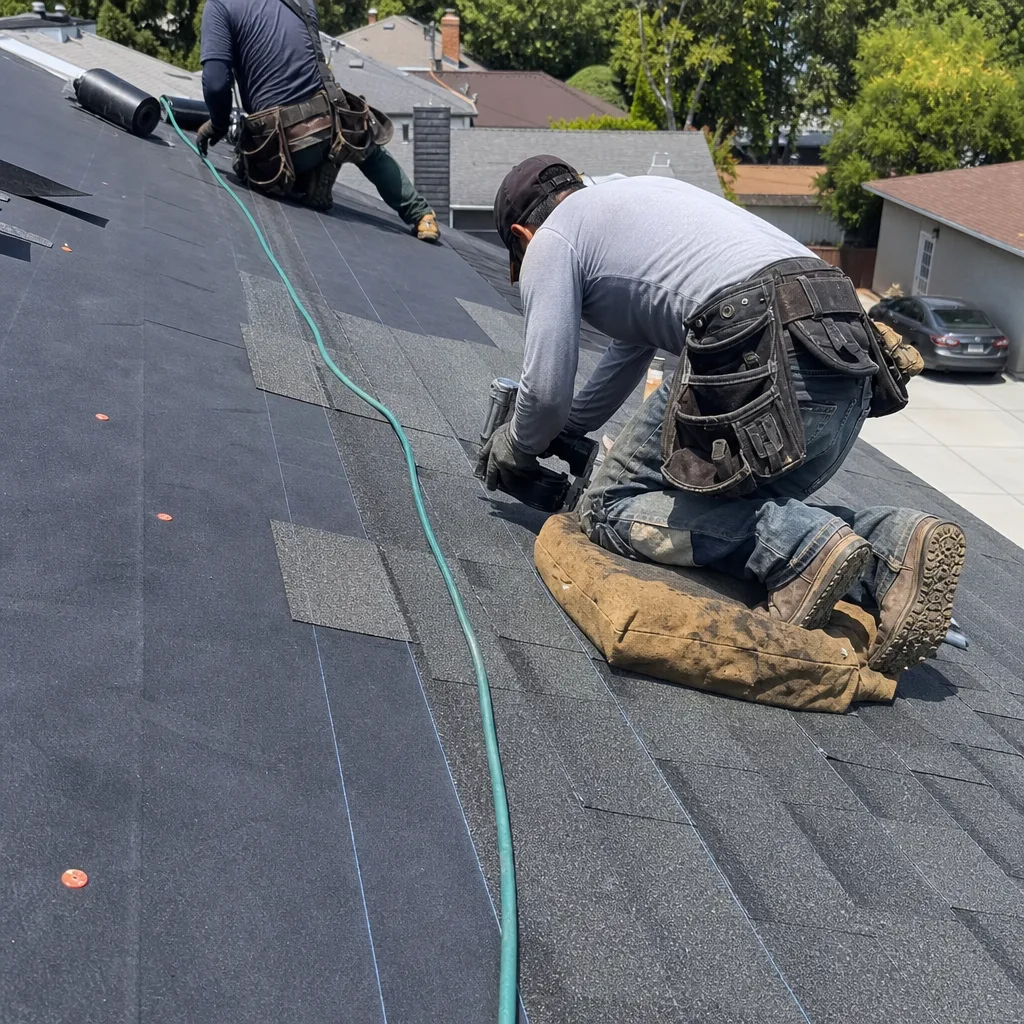
Most of the homes we reroof in Rio Del Mar were built between the 1940s and 1970s, and many still carry original redwood rafters that survived 1989 intact. The problem isn’t usually the framing. It’s what’s on top of it: thin sheathing, corroded fasteners, and underlayment that gives out along the eave line where fog drip never really dries. We strip to the deck, check for dry rot at every penetration, replace damaged sheathing, and rebuild with a marine-grade underlayment and stainless or hot-dip galvanized fasteners throughout. The result is a roof that actually sheds water for 25 to 30 years, not one that leaks again in eight.
Standing Seam Metal Roof
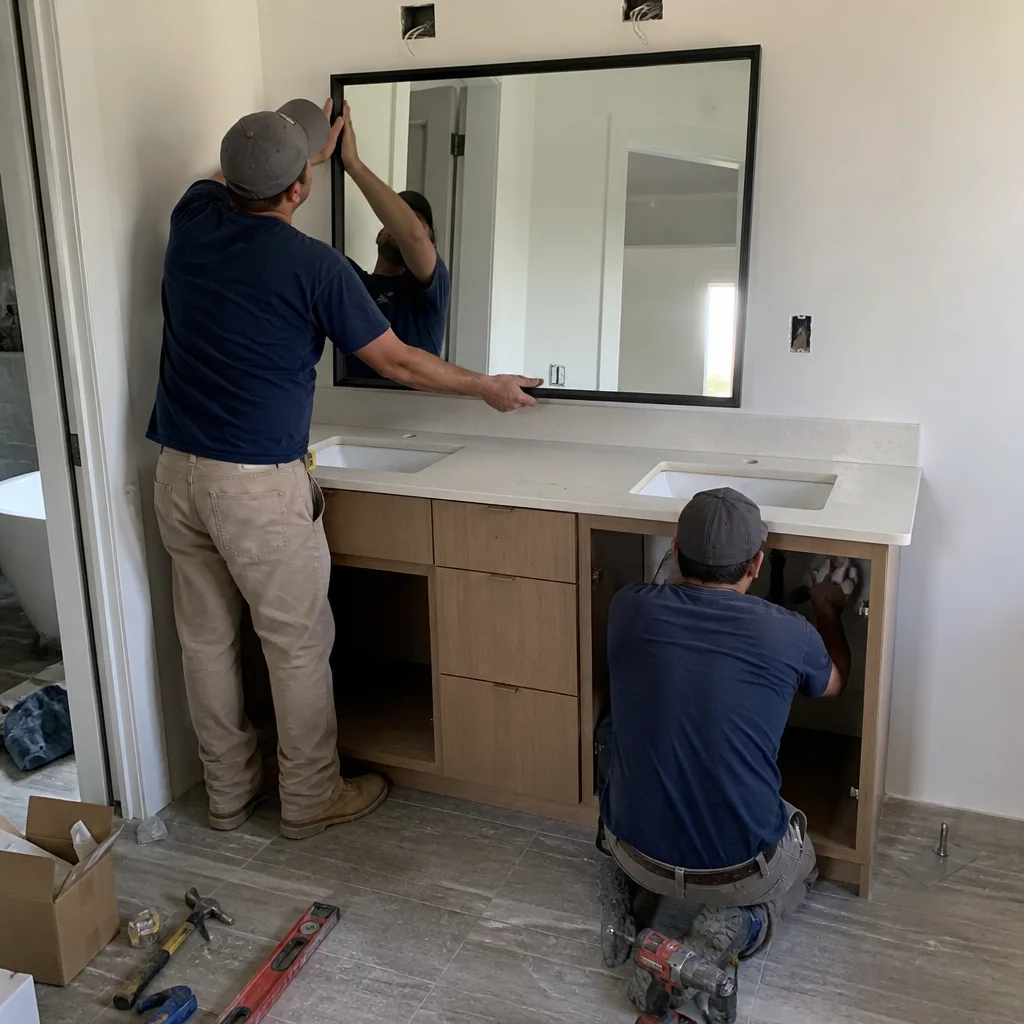
For homes right on the water side of Rio Del Mar, a standing seam metal roof is often the smartest long-term play. The panels themselves shrug off salt spray better than asphalt, but only if the clips, screws, and underlayment are spec’d for marine exposure. We use marine-grade metals and fasteners rated for coastal salt air, and we run a full ice-and-water shield under the seam profiles to stop fog-driven moisture from condensing against the deck. You’ll pay more up front, but you won’t be replacing it in fifteen years.
Tile Roof Repair
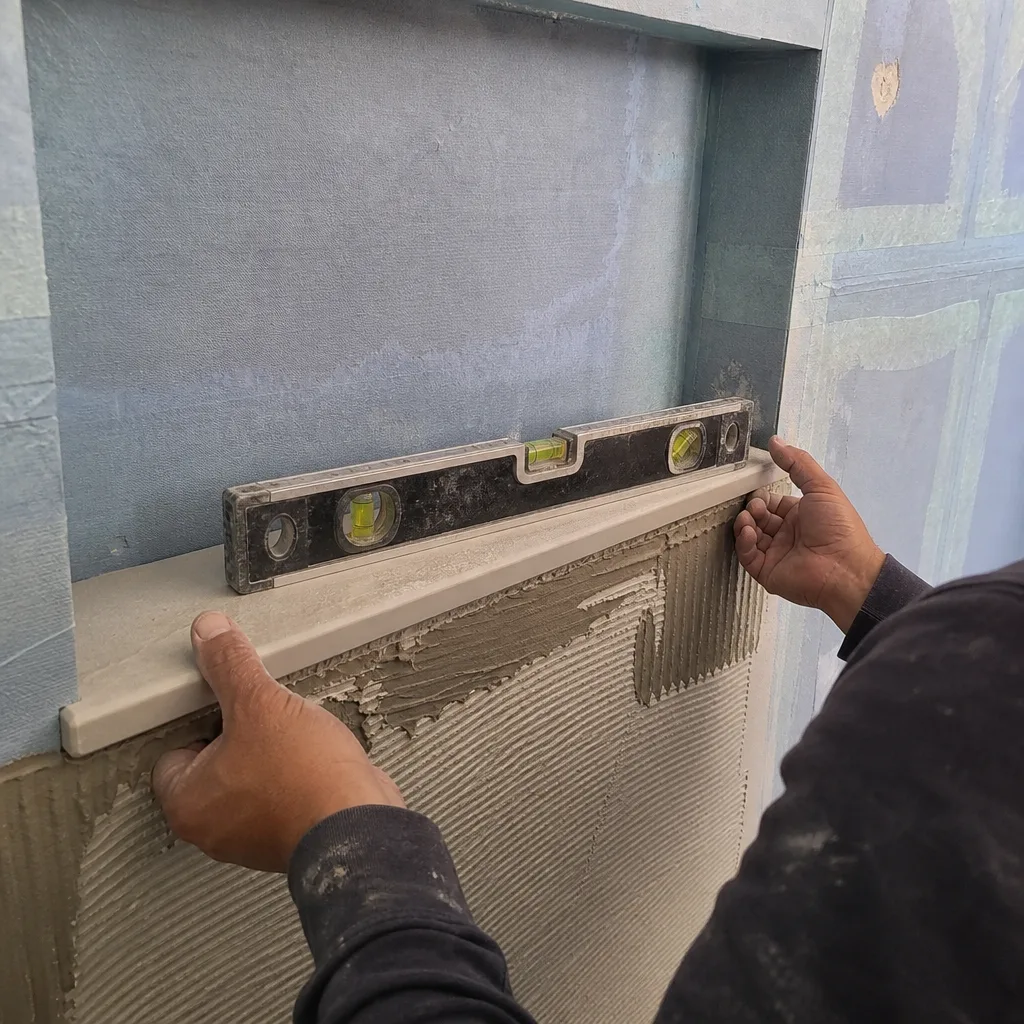
Tile itself holds up fine to salt air. The problem is what’s underneath it. On tile roofs all over Rio Del Mar, including the hills above the freeway, we find corroded valley metal, rusted fasteners, and broken tiles at ridge intersections where post-1989 patch jobs used cheap mortar instead of proper flex points. We reset the tiles, replace the valley flashing with stainless, and re-bed the ridge with materials rated for seismic movement. Salt-corrosion correction on tile typically runs $600-$2,500 depending on how much metal needs replacement.
What happens when you call
- 1
A real person answersNo phone trees - you reach a local pro.
- 2
You get an upfront price rangeHonest numbers before anyone is dispatched.
- 3
A background-checked tech heads outLicensed & insured, dispatched right away.
- 4
You approve before work beginsNothing starts until you say go.
Trusted Brands We Service in Rio Del Mar
We install and service GAF asphalt systems and standing seam metal profiles from manufacturers we trust in marine environments. We don’t stock mystery brands off a van. When your roof needs GAF components, we have them quickly, and we know the product lines well enough to tell you which ones belong within a mile of the ocean and which ones don’t. If you have another brand up there now, we’ll work with it or tell you honestly why it’s time to switch. The brands we use are ones you can look up and verify.
Common Roofing Problems We See in Rio Del Mar Homes
- Salt-corroded flashing and fasteners. The Monterey Bay fog carries salt that eats standard galvanized roof nails, flashing, and connectors in eight to twelve years. Rust-jacking lifts shingles along eaves and rakes, opening leak paths that look like simple wear but are actually corrosion failure.
- Post-1989 patch roofs with hidden dry rot. A lot of the reroofs done after the earthquake reused original sheathing without checking for rot at the eave line, where fog drip had been saturating the subfloor for decades. New shingles over wet wood is a five-year roof.
- Unbolted cripple walls fracturing rigid roofing. Early 1990s partial retrofits often sistered new lumber to cripple walls but never bolted them to the mudsill. Under wind uplift, those walls shift just enough to crack tile and metal panels at the ridge and hip intersections.
- Pitted aluminum gutters and softened fascia. Marine air pits aluminum gutters and downspouts within a decade, and the acidic runoff lands directly on fascia boards already softened by persistent damp. By the time you see the staining, the board behind it is usually gone.
Pricing for Roofing in Rio Del Mar, CA
Here are the line-item ranges you can expect for a roof job in Rio Del Mar’s 95001 market. These aren’t bids, they’re what the work actually costs here, where marine-grade materials and coastal permitting both factor in.
| Service | Typical Rio Del Mar Range |
|---|---|
| Roof Replacement (coastal-spec, stainless fasteners, marine underlayment) | $8,000-$20,000 |
| Metal Roof Installation (standing seam, marine-grade) | $15,000-$40,000 |
| Tile Roof Repair (salt-corrosion correction) | $600-$2,500 |
The spread comes down to square footage, pitch, decking condition, and how much of the existing flashing and underlayment we’re replacing. A 900-square-foot cottage on the flats with a simple gable roof lands at the low end. A two-story bluff house with multiple valleys, a tile-to-shingle transition, and rotted eave framing lands at the high end. You’ll get a written line-item estimate before you commit, and any price change arrives as a written change order before we touch it. Call (877) 610-1318 for a free estimate on your specific roof.
A Material Problem, Not a Schedule Problem
Here’s what separates roofing in Rio Del Mar from roofing in Aptos or Soquel: the salt air here decides your materials, not your timeline. That’s the whole game.
Rio Del Mar sits within five miles of the 1989 Loma Prieta epicenter. That means the housing stock carries a uniquely layered seismic history. But it also sits directly on the Monterey Bay, where salt-laden fog and onshore wind accelerate corrosion of metal fasteners, joist hangers, flashing, and anchor bolts faster than any Santa Cruz County town just a few miles inland. It’s a dual threat no neighboring city shares. The same houses that absorbed near-epicenter shaking in 1989 are now losing their roof connections to salt, one season at a time.
The cheap spec fails here faster than it does inland. Standard galvanized nails and flashing that would last thirty years in Scotts Valley will rust-jack and lift shingles within a decade on the Rio Del Mar flats. Aluminum gutters pit out and dump acidic water onto fascia boards that never really dry. Low-slope beach cottage roofs, especially the ones done over in the 1990s with minimal underlayment, blister from the underside as fog-driven moisture condenses between layers.
What we specify instead is not exotic. It’s just honest coastal construction. Hot-dip galvanized or stainless connectors. Stainless valley metal. A full ice-and-water shield under the shingle course. Marine-grade underlayment rated for salt exposure. GAF shingles and standing seam profiles that carry coastal wind warranties. Sealed joints at every penetration. The price gap between the coastal-spec job and the inland-spec job is real, you’ll pay fifteen to thirty percent more up front. But the cheap spec costs more within a decade, because you’re paying for a second roof instead of doing the first one right.
What We Actually See When We Open a Rio Del Mar Roof
Last fall we opened a raised-floor bungalow near the Rio Del Mar flats. The original 1940s redwood rafters had survived Loma Prieta beautifully. But the galvanized roof-to-wall connectors and the post-1989 patch flashing were so salt-corroded that new plywood sheathing would have failed within a decade. We specified hot-dip galvanized Simpson H1 clips, stainless steel valley metal, and a full ice-and-water shield under the shingle course, then walked the homeowner through the permit and inspection sign-off before closing the roof. That’s the work. The framing was never the problem. The metal was.
That’s the recurring story in Rio Del Mar. A contractor opening up a raised-floor bungalow in the flats will almost always find one of three things: original redwood framing that survived 1989 surprisingly intact, a cripple wall that was sistered with new lumber but never actually bolted to the mudsill, or a concrete perimeter that was poured as a quick post-quake fix directly against the original wood. All three scenarios require a different permit and engineering approach under current Santa Cruz County coastal zone rules. None of them can be quoted from a satellite photo.
We Also Serve Cities Near Rio Del Mar
Our Roofing in Rio Del Mar work keeps us busy, and we regularly serve neighboring communities including Aptos, Capitola, Soquel, and Interlaken. If you’re in one of those towns and need coastal-spec roofing, the same crew that works the Rio Del Mar flats can handle your job. Same written change orders, same 90-Day Done Right Promise, same phone number.
Serving Rio Del Mar, CA - Our Local Coverage Area
We’re based in the Rio Del Mar area and know this community well. Use the map below to see our service coverage - if you’re nearby, we can almost certainly help.
FAQs - Roofing in Rio Del Mar
Because the materials have to be spec’d for salt air and seismic-era framing. A roof in Rio Del Mar needs stainless or hot-dip galvanized fasteners instead of standard galvanized, marine-grade underlayment instead of basic felt, and often additional decking repair where fog drip has rotted the original sheathing. That adds roughly fifteen to thirty percent to the material and labor cost compared to an inland job. The alternative costs more within a decade. Call (877) 610-1318 for an exact quote, estimates are free.
The framing is usually fine. The metal is not. We routinely find original redwood rafters in excellent shape, but the roof-to-wall connectors, valley flashing, and post-1989 patch metal corroded beyond safe use from decades of salt fog. The roof survived the earthquake and then started failing from exposure. That’s the combination unique to this area.
Yes. Rio Del Mar falls under Santa Cruz County coastal zone rules, and reroofing requires a permit and inspection in most circumstances. We pull the permit, schedule the inspection, and make sure the job is signed off before we call it done. The permit inspector works for you, not for us, which is exactly why we want him there.
Not the coastal version, no. A standing seam roof that works inland uses standard clips and galvanized screws that will corrode within a decade on the Rio Del Mar flats. The marine-grade version uses stainless fasteners, different underlayment, and seam profiles rated for salt spray. The panels look the same from the street, but the spec underneath is different. We’ll show you the difference in writing before you choose.
The tile itself can last fifty years or more, even in salt air. What fails first is the metal underneath: valley flashing, fasteners, and ridge attachments corrode within one to two decades and need replacement. That’s why we do salt-corrosion correction on tile roofs all over the flats, resetting tiles, replacing valleys with stainless, and re-bedding ridges for seismic movement. The tile isn’t the weak point. The metal is.
Get Your Free Roofing Estimate in Rio Del Mar
If you live in Rio Del Mar and you’re wondering what your roof actually needs, call us. You’ll get a straight answer from someone who’s opened houses just like yours, a written line-item estimate, and a fixed price with no change orders unless you sign them first. We serve the 95001 zip code and all the neighborhoods within it, from the flats to the bluff tops. Call (877) 610-1318 to schedule your free estimate.
Written by Tom Barrett, Owner at Barrett & Sons Construction, serving Rio Del Mar since 1998.