
Free written scope consultation - allowances, timeline, and change-order rules on paper before a single trade is scheduled

 Before
 After
After Before
 After
After Before
 After
AfterFast, Reliable Roofing Across Miami Beach
Roof replacement in Miami Beach runs $9,440-$23,600 on a typical single-family home, and roof repair usually lands between $470 and $2,125 depending on what’s failing. Those are real numbers for this island, not mainland pricing. The bigger variable here is code compliance. Every permit-pulled roof on Miami Beach must meet Miami-Dade High Velocity Hurricane Zone standards, which means 170+ mph design wind loads and product approvals that a contractor working Coral Gables or Kendall may never have dealt with. We do this work in Miami Beach every week. Call (877) 610-1318 for a free estimate, and we’ll tell you exactly what your roof needs to pass inspection here.
Why Barrett & Sons Construction Is Miami Beach’s Preferred Roofing Company
We’re an owner-operated construction company founded in 1998, and Tom Barrett’s name, address, and license number are published for anyone to verify. That matters on a barrier island where half the roofing crews you see are subcontractors working under someone else’s permit. Our crews are Tom’s sons and their teams, not strangers dispatched from a call center. When we quote a roof in Miami Beach, the person who walks your roof is the same person whose name is on the contract.
Miami Beach homeowners call us because we know what the city’s building department actually checks. The HVHZ code changed re-roofing here permanently, and we’ve spent years pulling permits and sitting through inspections from South Pointe to North Beach. We carry GAF and CertainTeed roofing products with the Miami-Dade Notice of Acceptance documentation already on file, so you’re not waiting on a product approval while your old roof keeps leaking. A live person answers our phone 24/7. You won’t get a voicemail box.
Our Roofing team works throughout Miami Beach from the Art Deco District to the MiMo corridors of North Beach. We know which ZIP codes fall under the historic preservation board’s review and which ones don’t. That’s the kind of thing that saves you three weeks and a resubmission fee.
Our Roofing Services in Miami Beach
Roof Repair
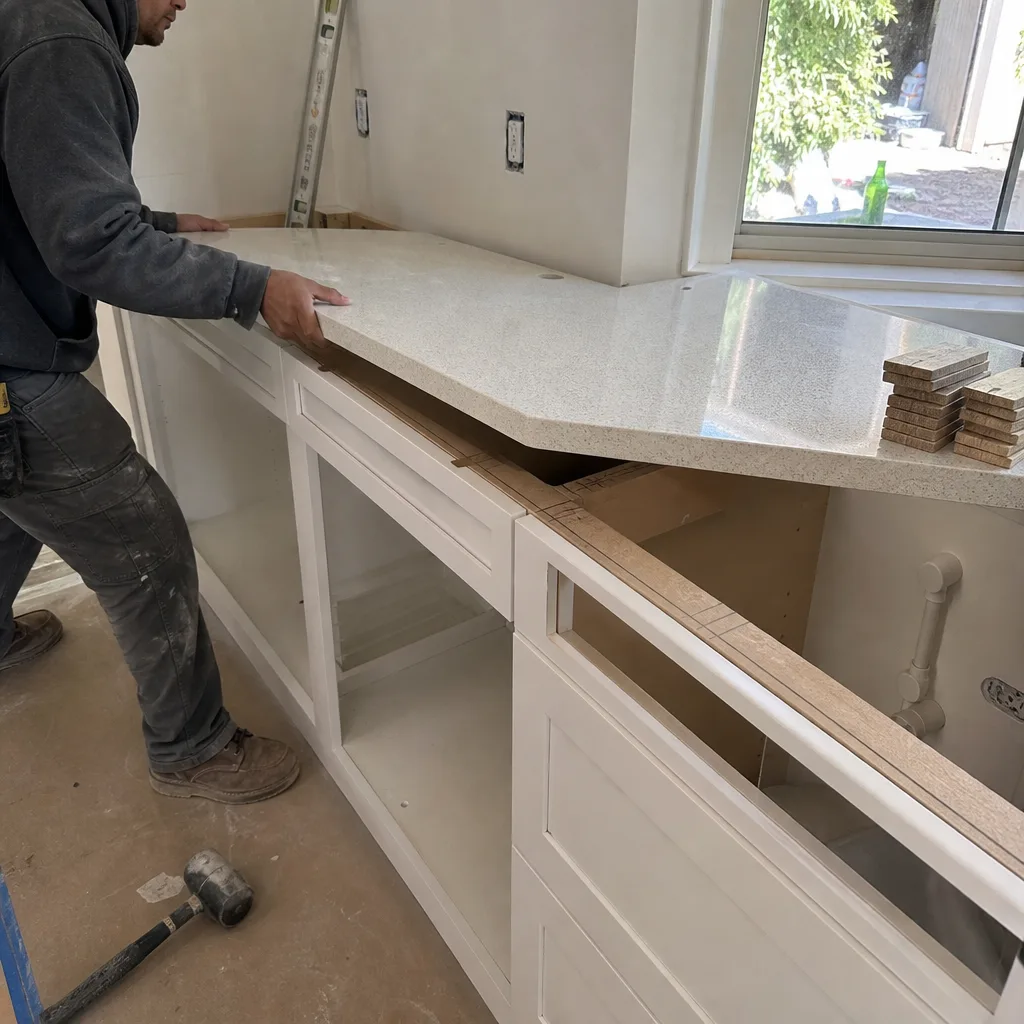
Roof repair in Miami Beach typically costs $470-$2,125, and what we find most often is failed underlayment, not missing shingles. The salt-laden onshore wind off the Atlantic eats flashing and sealant at a rate you won’t see inland. A small leak near a parapet wall or a vent penetration is almost never just a patch job here. We pull the surrounding material, inspect the deck, and replace the secondary water barrier to HVHZ spec. If you’ve got water staining on a ceiling in North Beach or Mid-Beach, call us before the next rain event turns it into drywall work too.
Roof Replacement & Installation
A full roof replacement in Miami Beach runs $9,440-$23,600, and the range depends on roof geometry, deck condition, and what material you choose. The city requires a re-inspection of the existing roof deck before the final sign-off on any re-roof, which means we document deck attachment spacing and upgrade it to the 6-inch on-center nailing pattern the HVHZ code demands. A quote that doesn’t include that deck work isn’t a compliant quote. We also pull the permit and coordinate every inspection with the building department, because the inspector works for you, not for us.
Metal Roofing
Metal roof installation in Miami Beach runs $17,700-$47,200. Standing seam systems hold up well to the salt air, but only if the panels carry a Miami-Dade Product Control approval. We install standing seam metal with an HVHZ-approved profile and the secondary water barrier the code requires. For a Mid-Beach or North Beach homeowner tired of replacing a barrel tile roof every storm season, metal is a legitimate option, and we’ll show you the wind-load documentation before you sign.
Tile Roofing
Tile roof repair in Miami Beach runs $710-$2,950 for isolated work, while a full tile replacement falls under the broader roof replacement range. Barrel tile is the signature look of Miami Beach’s Mediterranean Revival and MiMo housing stock, and you can’t swap in just any profile. The city requires Miami-Dade NOA documentation on tile, underlayment, and the attachment system. We specify HVHZ-approved barrel tile systems and add the secondary water barrier per code, then hand you the documentation package that supports your wind-mitigation credits.
What happens when you call
- 1
A real person answersNo phone trees - you reach a local pro.
- 2
You get an upfront price rangeHonest numbers before anyone is dispatched.
- 3
A background-checked tech heads outLicensed & insured, dispatched right away.
- 4
You approve before work beginsNothing starts until you say go.
Trusted Brands We Service in Miami Beach
We install GAF and CertainTeed roofing systems because both carry the Miami-Dade NOA listings that make a Miami Beach permit straightforward. We also work with Techo-Bloc and Cambridge Pavers on hardscape projects adjacent to roofing work, like re-sloping a paver patio that’s draining toward a foundation wall. We keep common flashings and sealants on hand for Miami Beach jobs, which means shorter turnaround when a repair is urgent. You can look up every brand we install. Nothing comes off an unmarked van.
Common Roofing Problems We See in Miami Beach Homes
Miami Beach housing stock fights the ocean every single day. Here’s what that looks like on a roof:
- Salt-air corrosion on flashing and fasteners. The combination of onshore Atlantic wind and Biscayne Bay humidity above 75% year-round accelerates galvanic corrosion on roof penetrations, pipe boots, and valley metal. We see it on 1930s Art Deco buildings in South Beach and on 1960s MiMo concrete-block homes in North Beach.
- Wind-blown rain intrusion through substandard underlayment. Underlayment that passed muster on the mainland fails in Miami Beach because the HVHZ wind load drives rain sideways under shingles and tile. A Category 1 storm can find the gap that a mainland-code underlayment leaves open.
- Roof deck attachment not meeting Miami Beach’s nailing pattern. The city enforces 6-inch on-center attachment on roof decks, not the looser spacing some neighboring jurisdictions accept. An older roof deck often needs supplemental fastening before a new system goes on, and a quote that skips that step is setting you up for a failed inspection.
- Concrete tile spalling from salt and humidity. Mid-Beach and North Beach hold a dense stock of 1950s-60s concrete tile roofs whose original material is now spalling from decades of salt-air exposure. The tile looks intact from the street, but the underlayment beneath it has been failing for years.
Pricing for Roofing in Miami Beach, FL
Here are the line items most Miami Beach homeowners ask about, with the ranges we quote in this market:
| Service | Price Range |
|---|---|
| Roof Replacement | $9,440 - $23,600 |
| Tile Roof Repair | $710 - $2,950 |
| Metal Roof Installation | $17,700 - $47,200 |
What moves the number is deck condition, roof pitch, number of penetrations, and whether the property sits in a historic district with additional review. A roof in the Art Deco Historic District may require Secretary of the Interior Standards compliance for visible materials, and that’s a cost a mainland roof never carries. We put every scope, allowance, and price change in writing before work starts. No change orders appear at the end. Call (877) 610-1318 for a free estimate, and we’ll give you a written line-item quote you can compare against anyone.
We Also Serve Cities Near Miami Beach
Our crews regularly work Roofing projects in Isle of Normandy, North Bay Village, Miami, and Miami Shores. The wind-load requirements change once you leave the island, so we quote each municipality to its own code. If you’re in one of those cities and want a contractor who understands Miami Beach’s HVHZ standards and what the mainland actually requires, call us at (877) 610-1318.
Serving Miami Beach, FL - Our Local Coverage Area
We’re based in the Miami Beach area and know this community well. Use the map below to see our service coverage - if you’re nearby, we can almost certainly help.
FAQs - Roofing in Miami Beach
No, it does not happen automatically, and that’s where cheap quotes fall apart. The contractor has to specify NOA-listed products and attach the approval numbers to the permit drawings. We do that on every Miami Beach roof replacement, and we hand you the NOA documentation with your closeout package. Call (877) 610-1318 and ask us to show you the NOAs before you sign anything.
Because in the Art Deco Historic District, the existing deck is often original 1930s or 1940s framing, and the city won’t sign off on a new roof over a deck that doesn’t meet current HVHZ attachment standards. The inspector verifies the deck, the 6-inch on-center nailing pattern, and the secondary water barrier before the visible roofing goes on. We schedule that inspection as part of the permit process so it doesn’t stall your job at the end.
It can, and the documentation is the mechanism. When we finish a compliant re-roof in Miami Beach, we give you a package showing the NOA-listed tile, the secondary water barrier, and the deck attachment. You submit that to your carrier as wind-mitigation evidence. Many Miami Beach homeowners see a premium reduction, but only if the paperwork matches what the inspector signed off on. That’s why we hand over the full package, not just a final invoice.
Miami Beach requires the permit drawings to list every roofing product with its Miami-Dade Product Control or NOA number before the permit is issued. Mainland cities like Miami or Miami Shores may accept a generic description. On the island, missing product approval numbers sends the permit back. We handle that submittal from the first application, so you’re not paying for resubmissions.
Small repairs to existing roofing that don’t involve replacing the roof covering or structural deck generally don’t require a permit in Miami Beach, but the moment you’re replacing underlayment or deck sections, you cross into permit territory. We’ll tell you honestly which side your job falls on. If a permit is required, we pull it and stand for the inspection. The permit inspector works for you, not for us. Call (877) 610-1318 and we’ll walk you through it.
What Miami Beach’s HVHZ Code Actually Means for Your Roof
Every permit-pulled roofing project on this island must meet Miami-Dade High Velocity Hurricane Zone standards: 170+ mph design wind speed, strict product approvals, and deck attachment spacing that doesn’t match what neighboring mainland cities enforce. That shapes everything from the underlayment to the way we fasten the first course of tile. A compliant quote includes the secondary water barrier, the 6-inch on-center deck nailing pattern, NOA-listed tile or metal, and the permit drawings that list those approval numbers line by line. A cheap quote leaves out the deck work, uses mainland underlayment, and hopes the inspector doesn’t look too hard.
Our crew replaced the 1960s-era concrete tile roof on a MiMo building in North Beach (33141), where the original rebar was visibly corroding from decades of salt-air exposure. We specified an HVHZ-approved barrel tile system, added a secondary water barrier per Miami-Dade code, and coordinated the permit and inspection sign-off with the city’s building department. Then we handed the owner a documentation package they used to confirm wind-mitigation credits on their homeowners policy. That’s what a compliant Miami Beach re-roof looks like on paper, and it’s the strongest insurance-claim defense you can have before a storm ever hits.
Miami Beach sits on a low-lying barrier island where the water table runs 18-24 inches below grade across much of the city, and the ongoing sea-level-rise adaptation program means street-adjacent work has to coordinate with a shifting municipal infrastructure grid you don’t find on the mainland. For roofing, the practical effect is that drainage design, scupper placement, and even the height of the new roof edge can be affected by road grade changes and stormwater pump station work. We read the current plans before we quote, because a roof that drains to a street that’s about to be raised is a roof that drains to nowhere.
Written by Tom Barrett, Owner at Barrett & Sons Construction, serving Miami Beach since 1998.