
Free written scope consultation - allowances, timeline, and change-order rules on paper before a single trade is scheduled
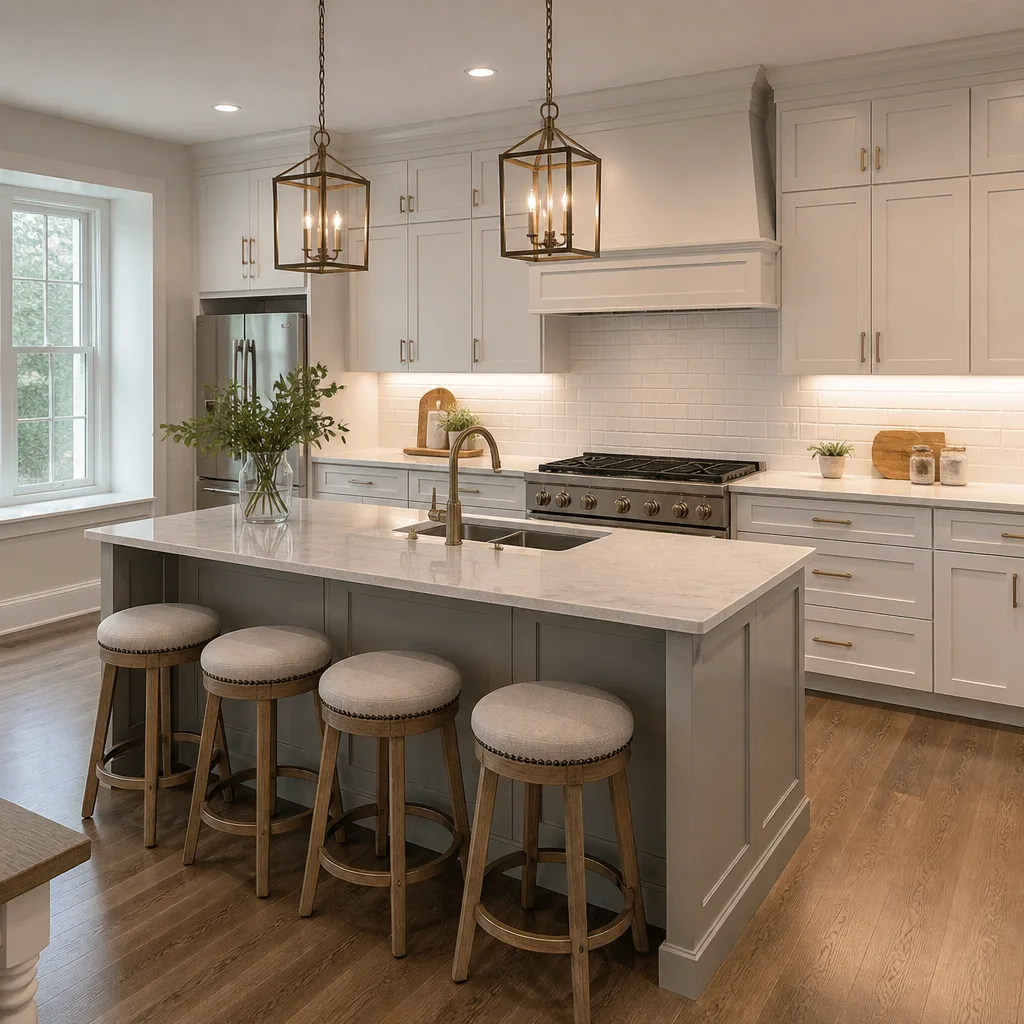
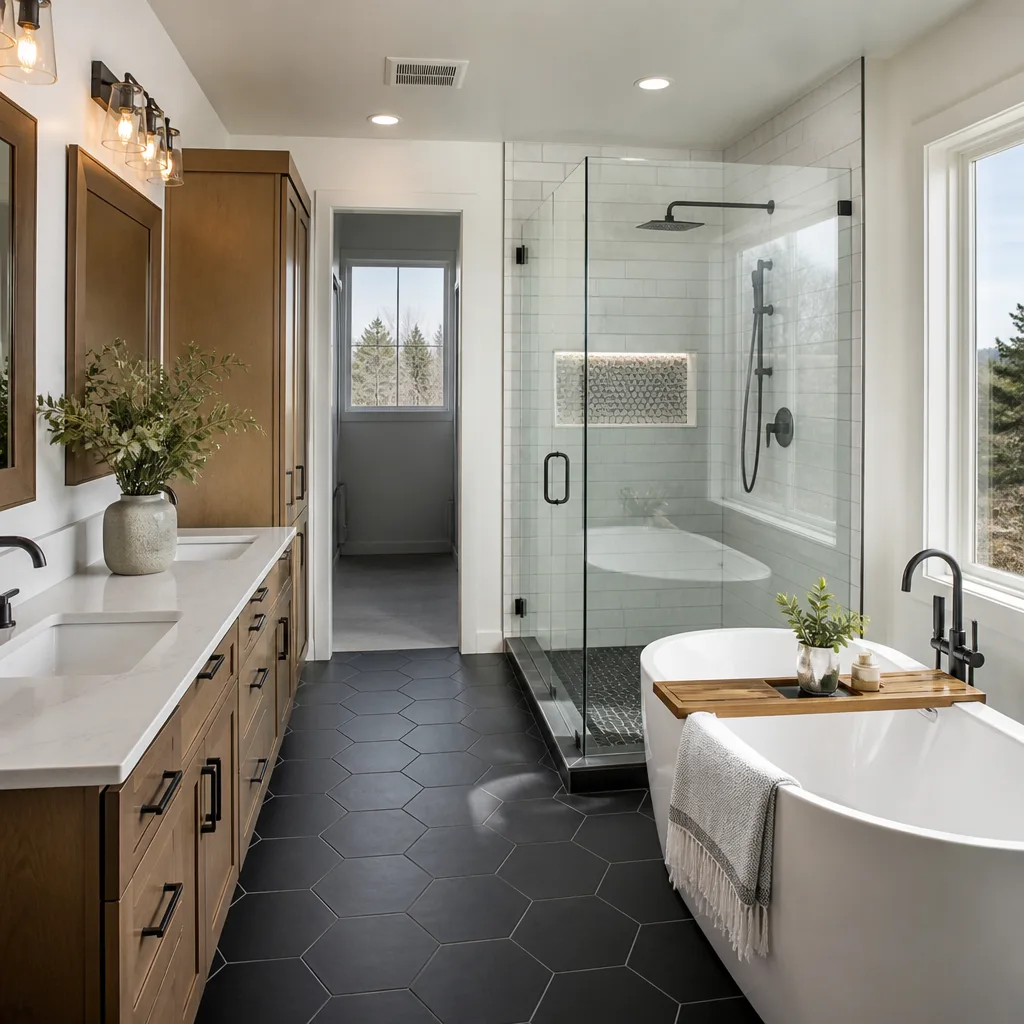
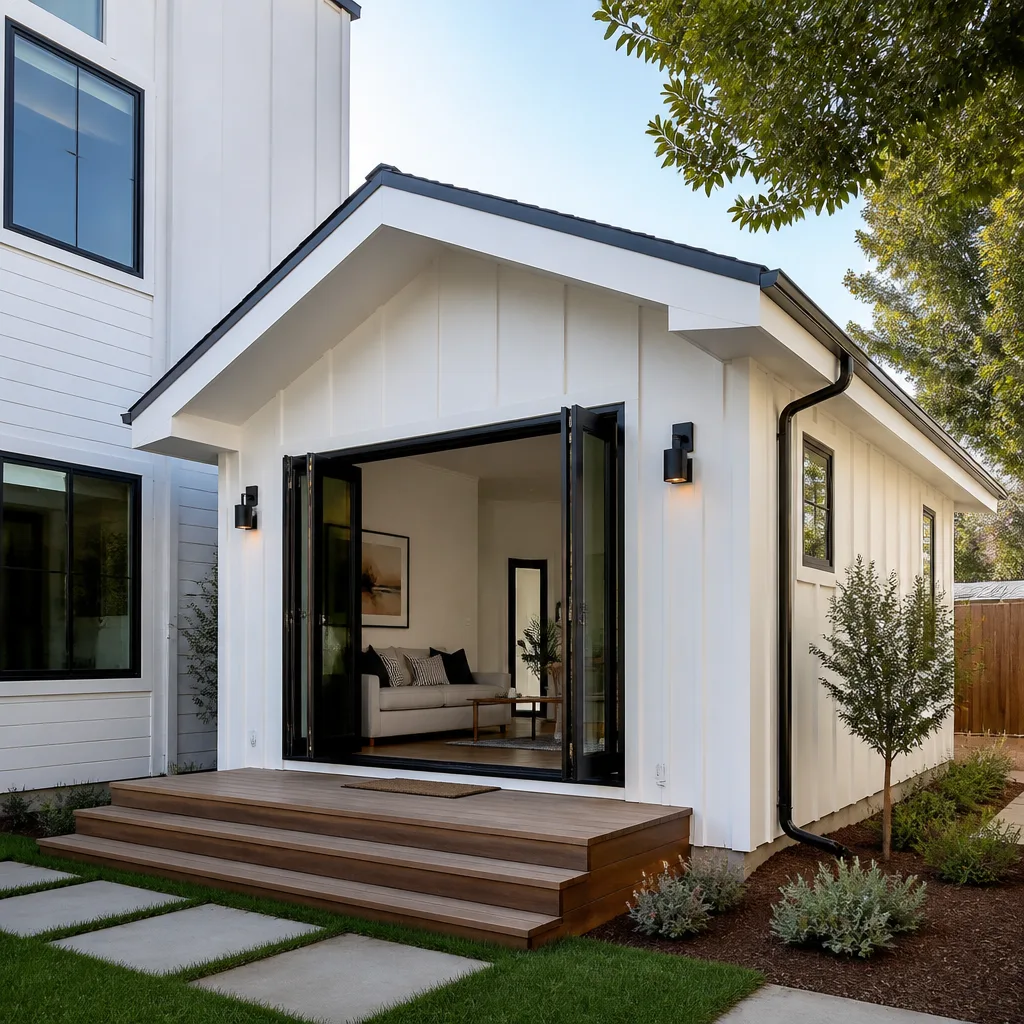
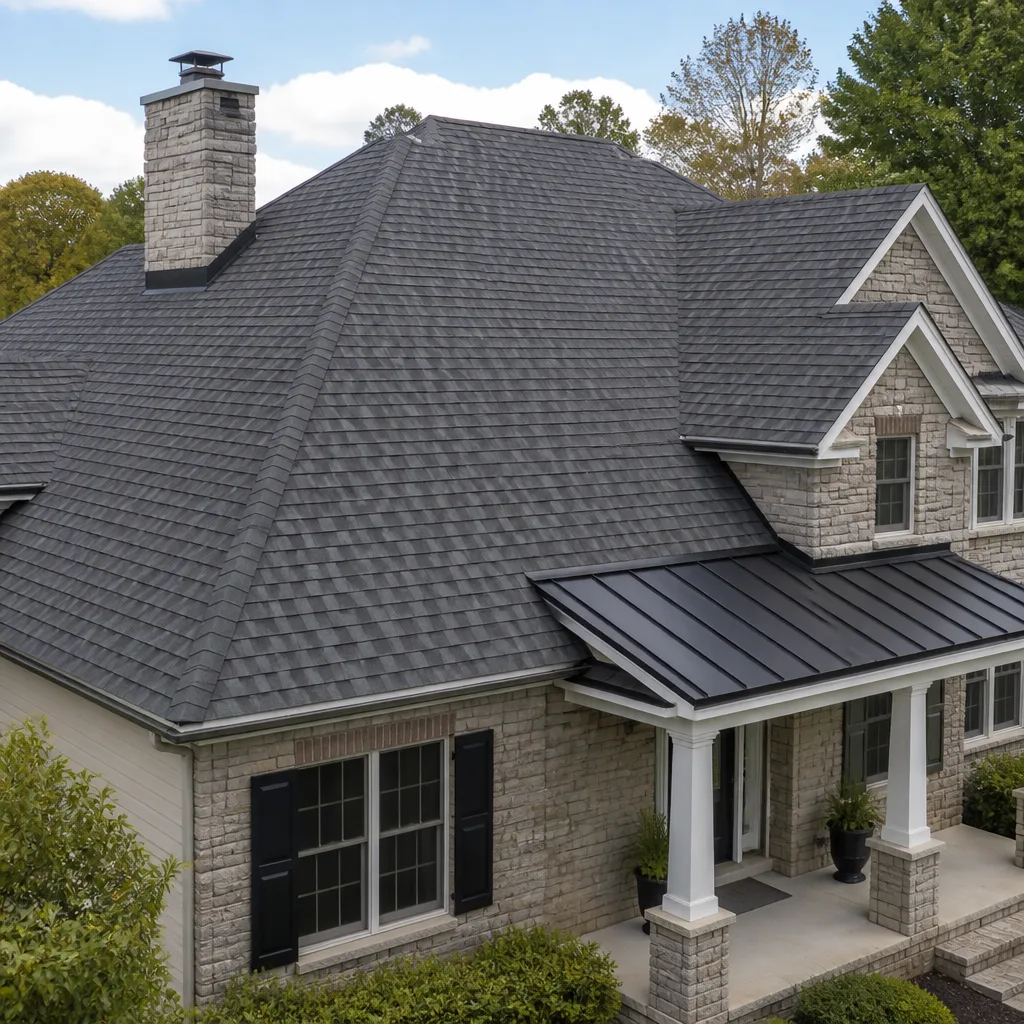
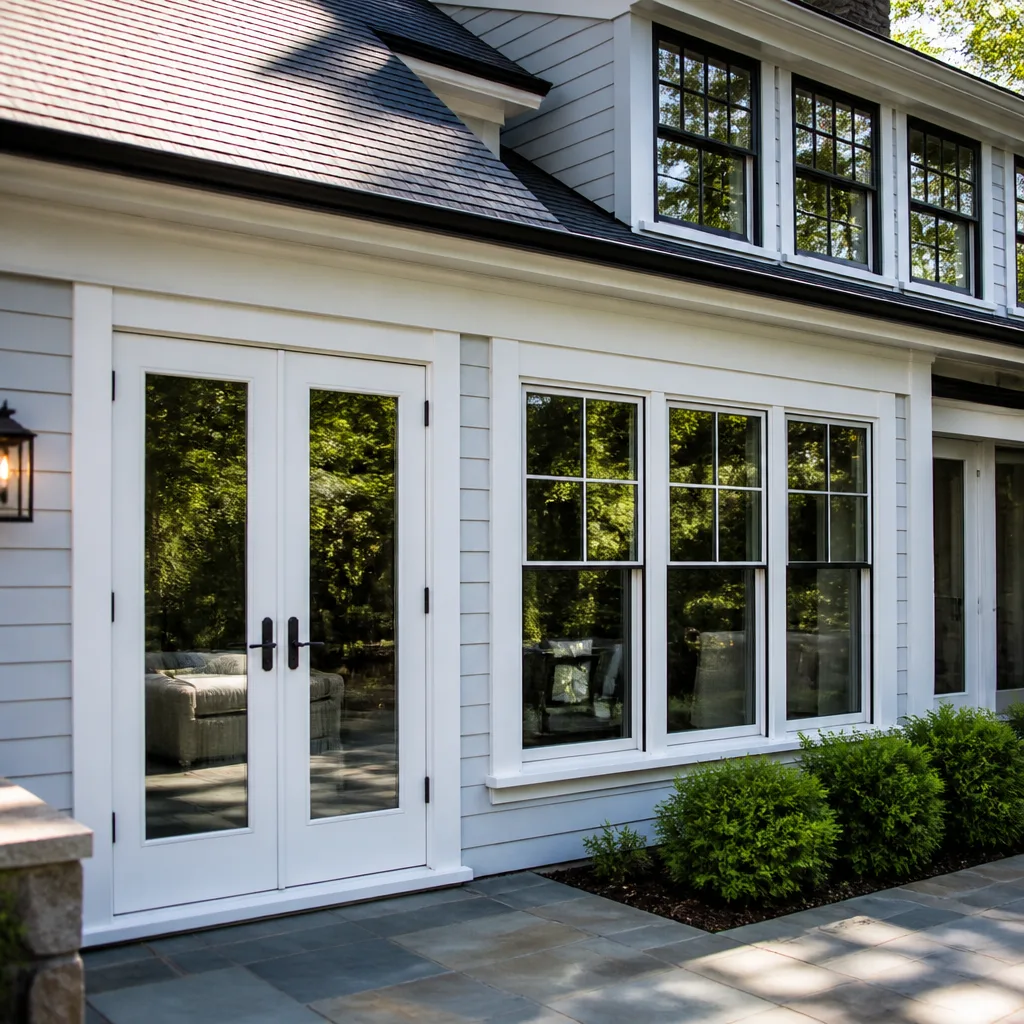
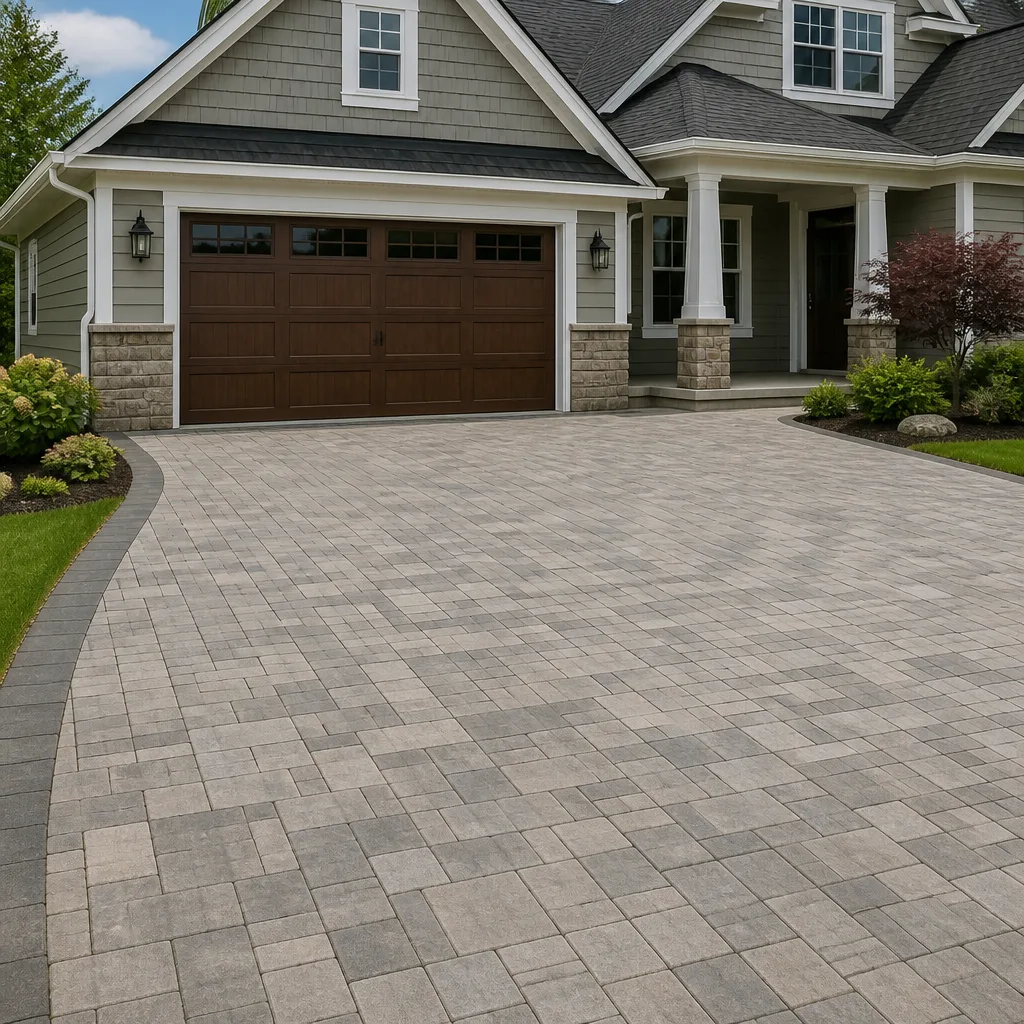
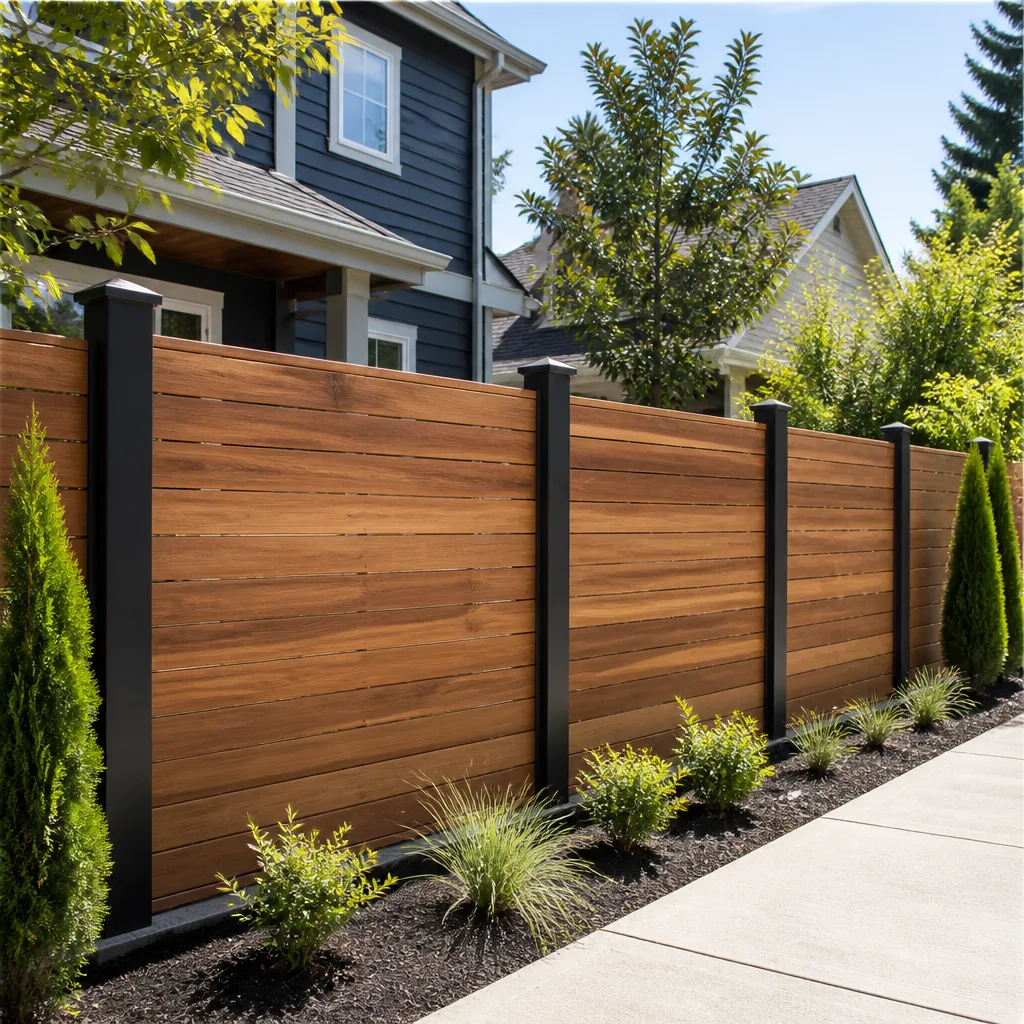
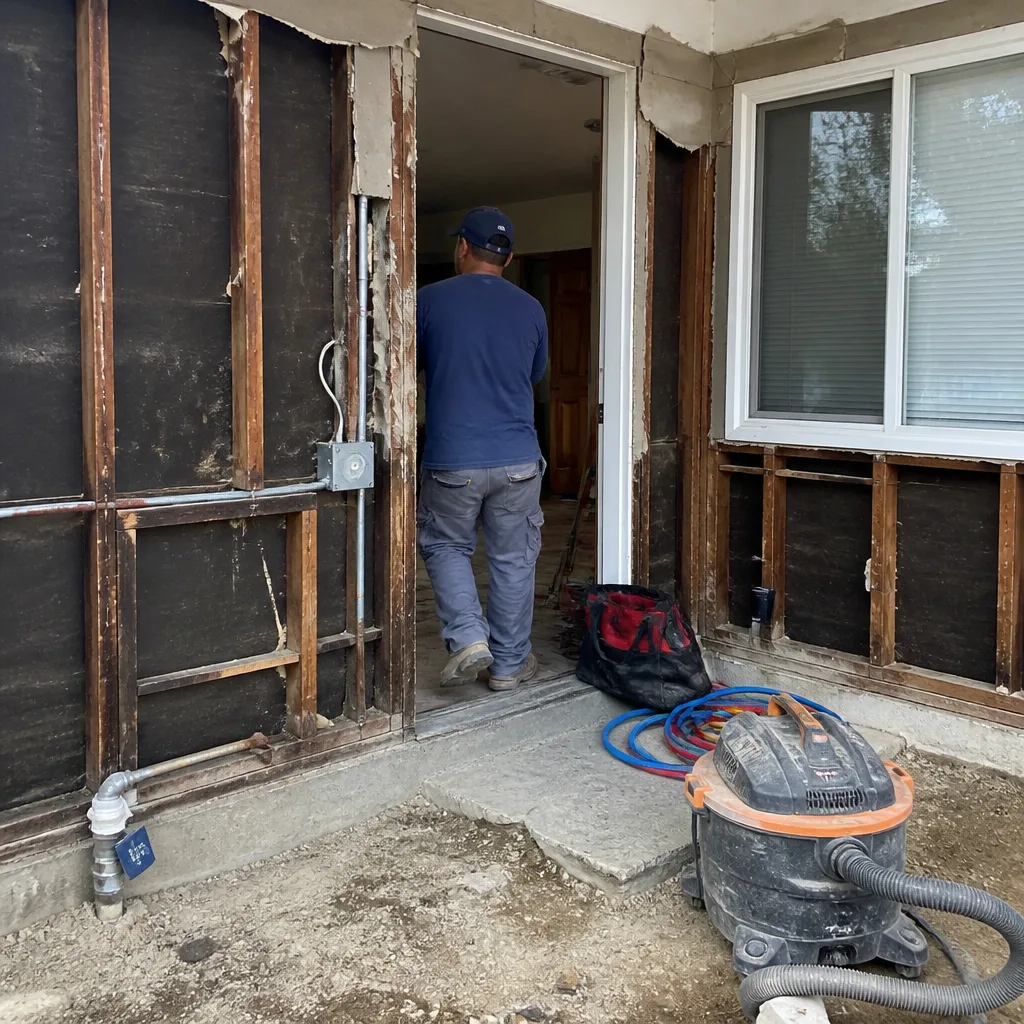 Before
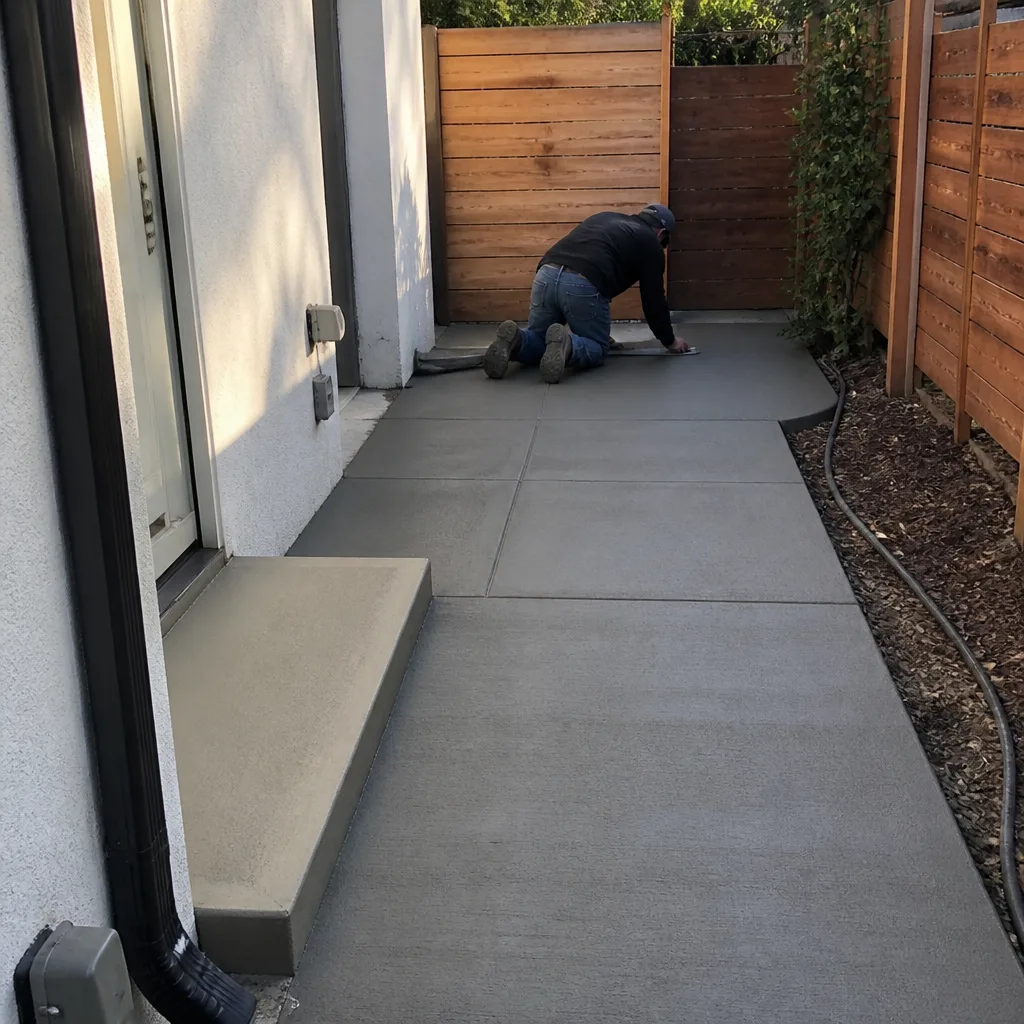 After
After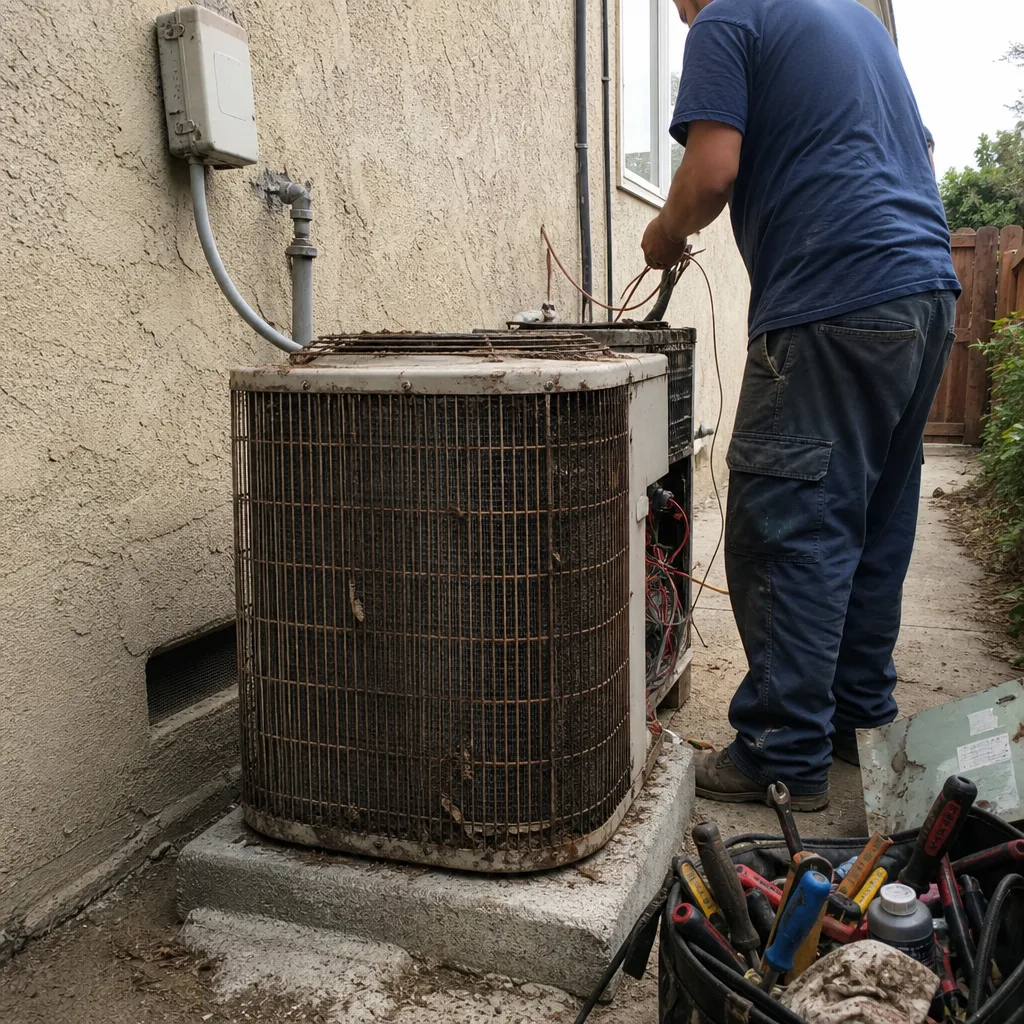 Before
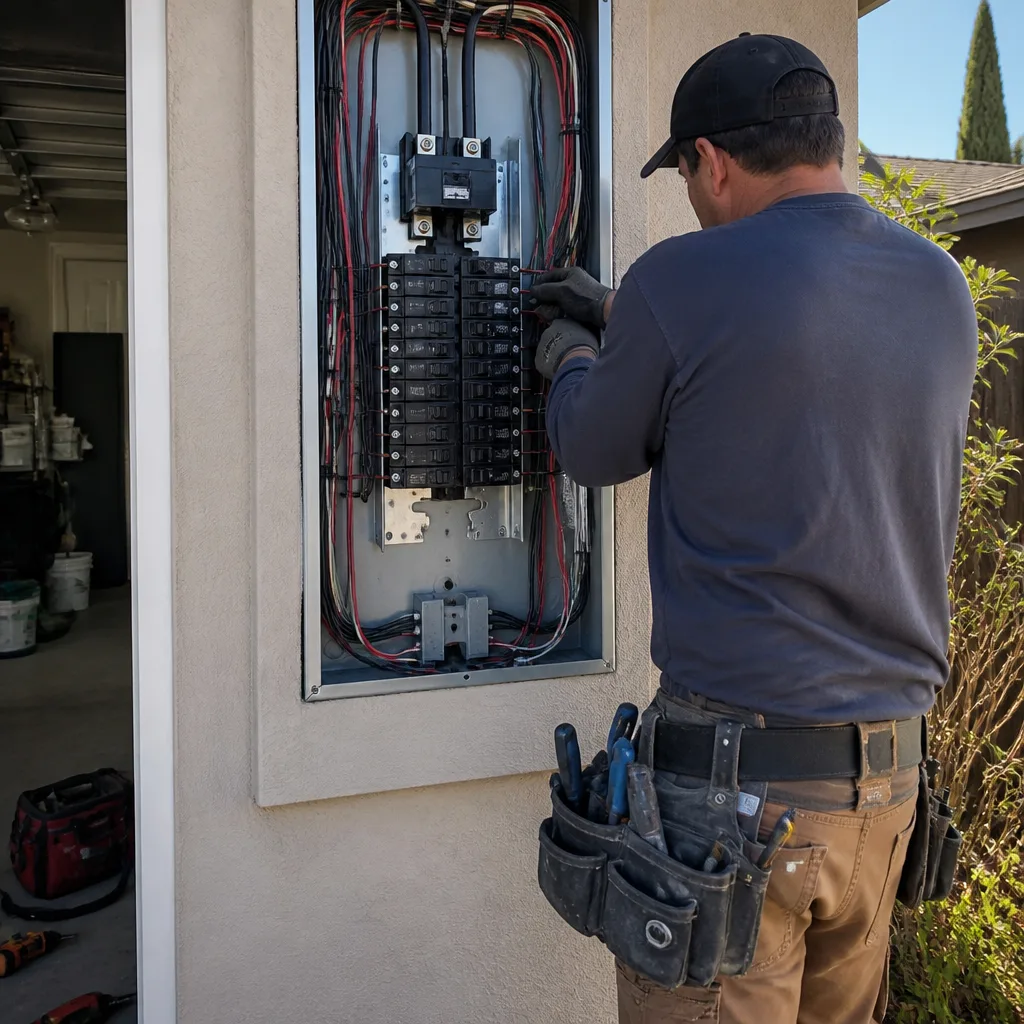 After
After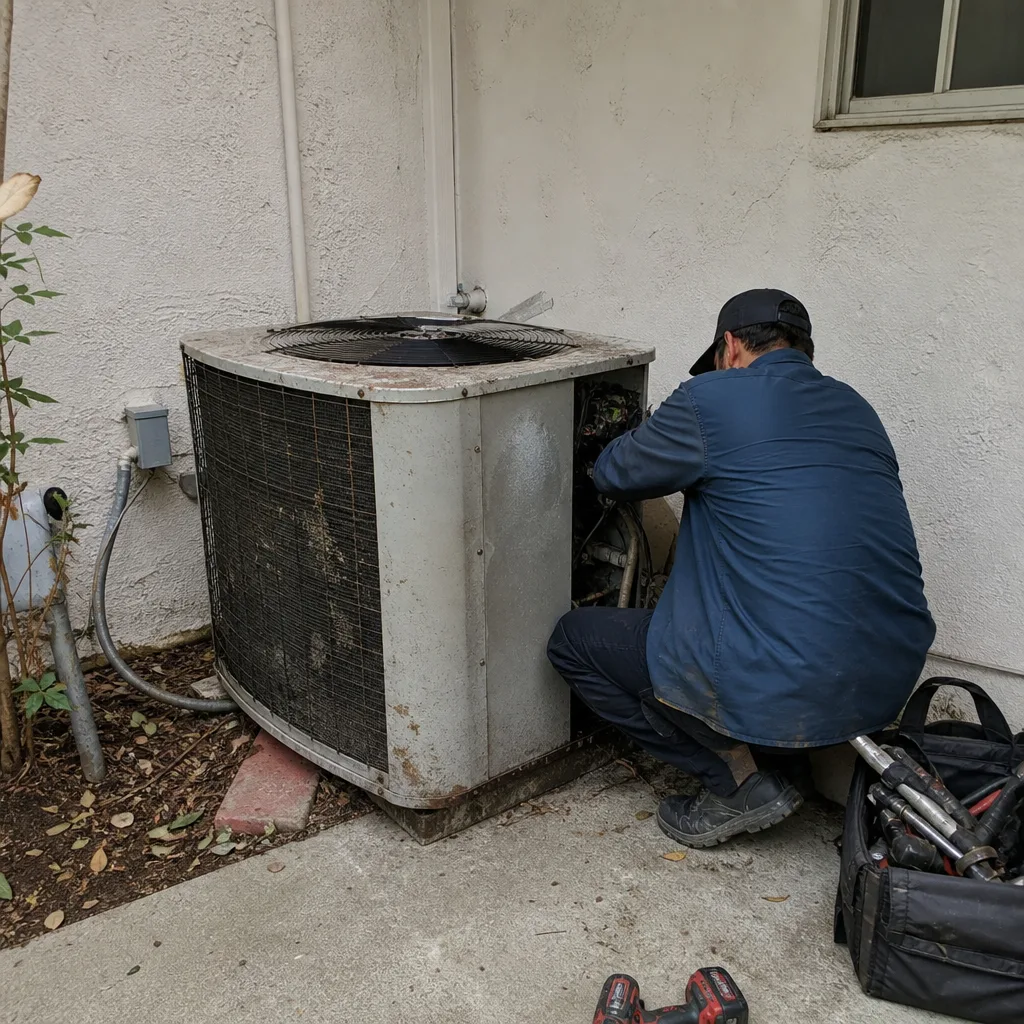 Before
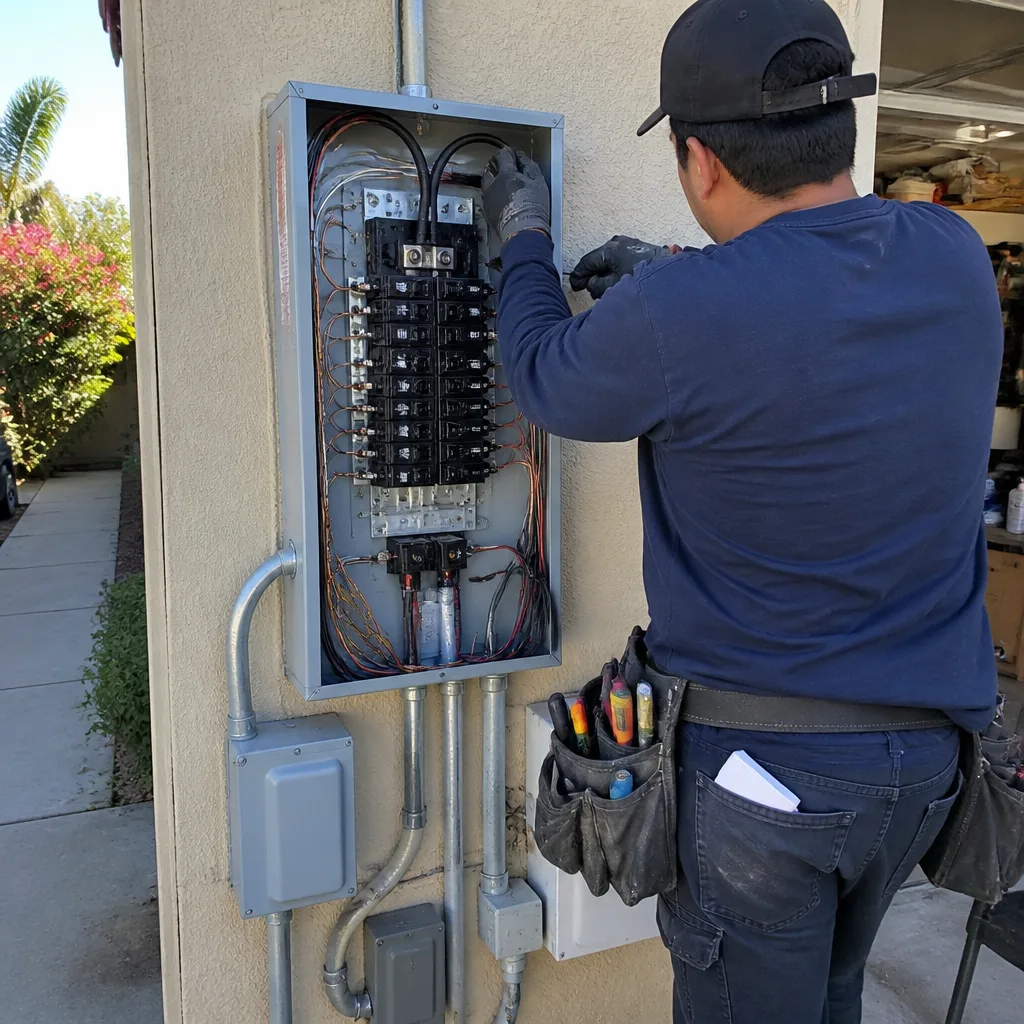 After
AfterFast, Reliable Home Additions & ADU Across San Antonio
Home additions and ADU construction in San Antonio typically runs $45,000-$130,000 for a room addition and $90,000-$220,000 for a new detached ADU, with garage conversions landing between $30,000 and $80,000. Those are real numbers for this market, not a national average dragged down by cheaper counties. Barrett & Sons Construction has built additions and ADUs across San Antonio’s older in-town neighborhoods long enough to know that the quote you get on the phone means nothing until someone has walked your lot, checked your foundation, and looked at what’s actually behind your walls. Call (877) 610-1318 and we’ll do that, free.
Why Barrett & Sons Construction Is San Antonio’s Preferred Home Additions & ADU Company
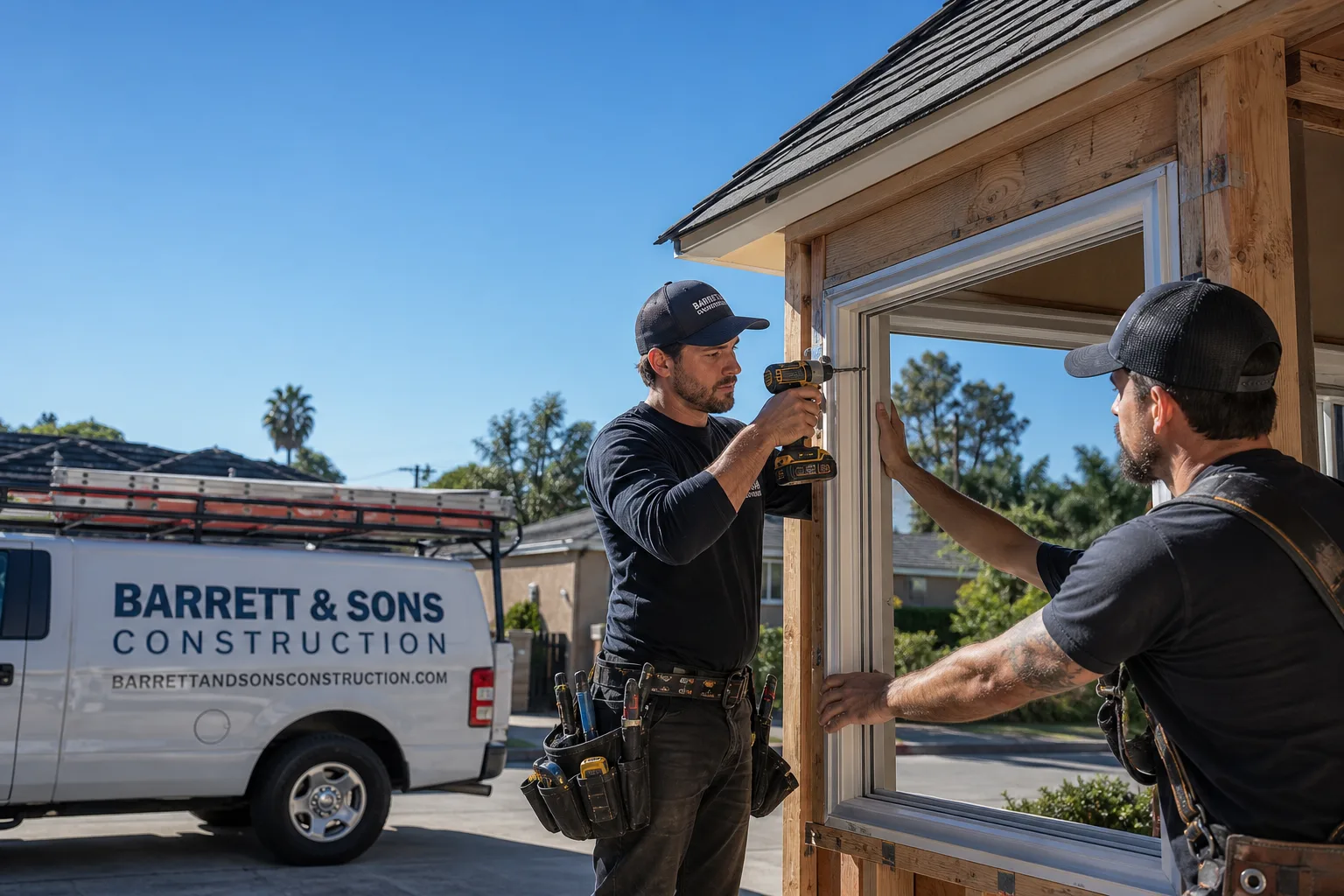
We’re the owner-operated crew that shows up with Tom Barrett’s name on the truck and his sons running the work. Founded in 1998, we’ve spent the years since building a reputation in San Antonio that we actually have to live with: Tom lives close enough that he’ll see you at the hardware store on Saturday. That changes how we bid a job and how we finish one.
San Antonio homeowners who call us get a live person on the phone, 24/7. Not a menu. Not a call center three states away. And before any scope change touches your addition or ADU, you get a written change order with the new number on it. No surprise invoices at the end. Every eligible job gets permits pulled and inspections signed, because around here we’ve all heard the story about the last contractor who said permits were optional. The permit inspector works for you, not for us. We like it that way.
Every job we finish in San Antonio carries the 90-Day Done Right Promise, written on the contract. If something’s not right, one call brings Tom back to make it right.
Our Home Additions & ADU Services in San Antonio
ADU Design & Permitting
In San Antonio, the design phase for an ADU is where projects either stay on schedule or quietly die. We handle the drawings, the site plan, and the permit package as one scope of work. If you’re in King William, Lavaca, or Dignowity Hill, your exterior alteration likely has to go before the Historic and Design Review Commission, and we submit those plans weeks before we ever pull a building permit. We’ve sat through enough HDRC hearings in San Antonio to know what gets approved and what gets sent back.
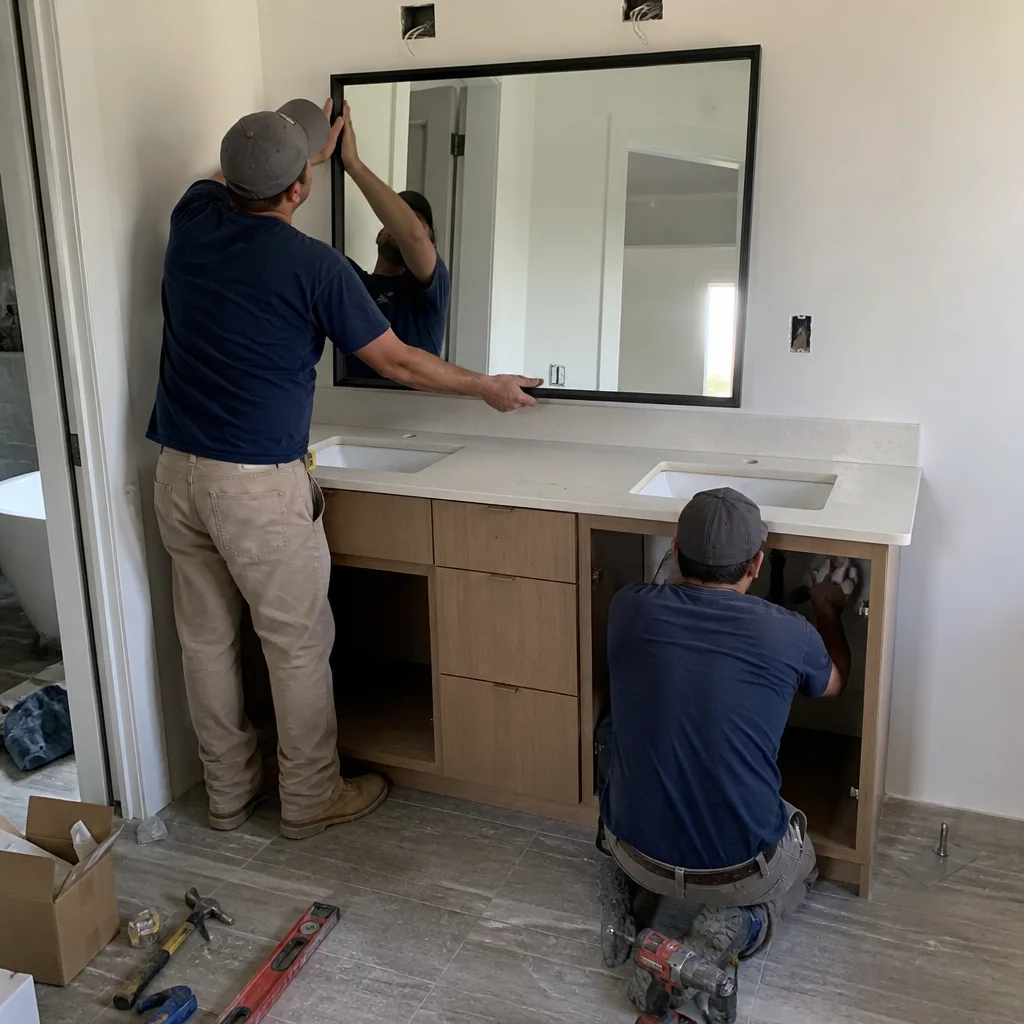
New Detached ADU
A new detached ADU on a San Antonio lot is a real construction project: foundation, framing, electrical, plumbing, roof. On a tight inner-ring lot in 78204 or 78207, that also means working around easements, shared lot lines, and neighbors who didn’t ask for a construction site next door. We plan parking and staging before we break ground, and we keep the lane passable for garbage trucks. The work itself is straightforward for a crew that’s done it for 29 years; the site logistics are where experience pays for itself.
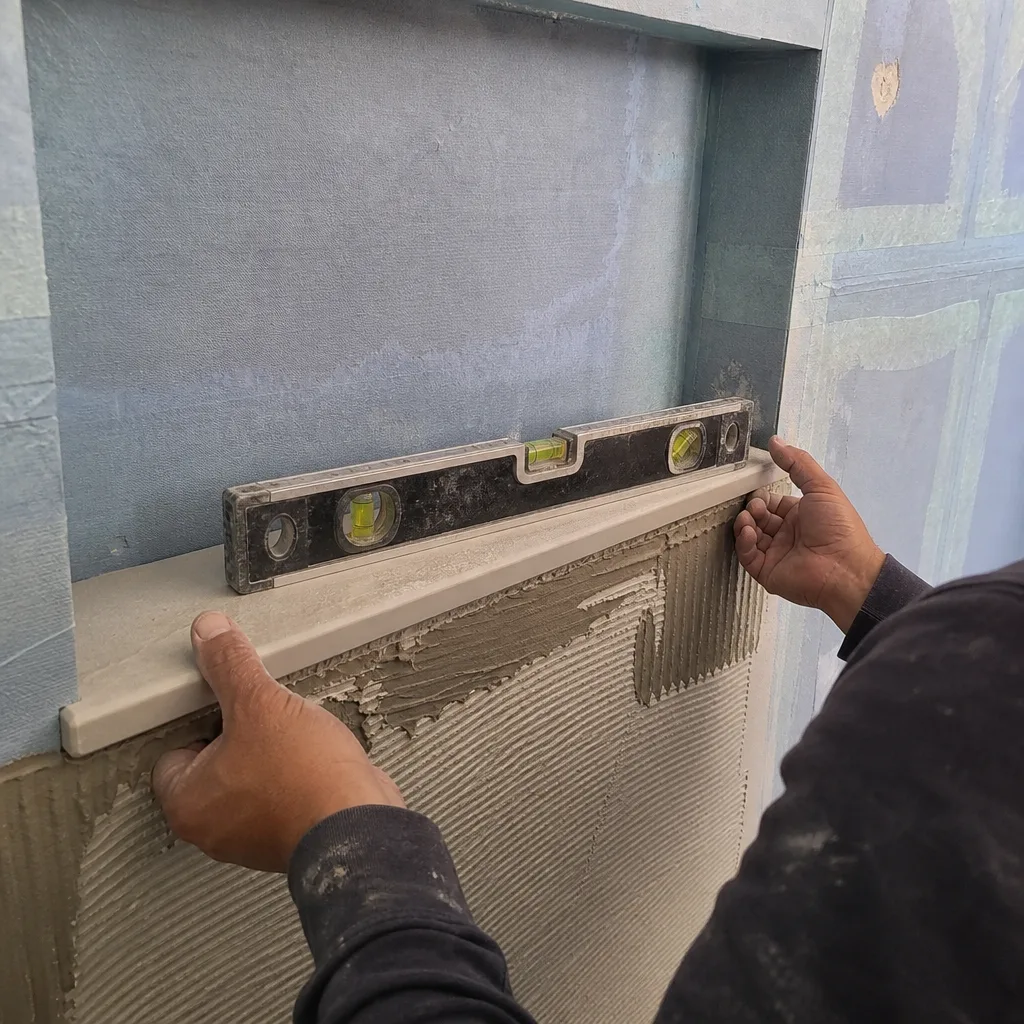
Garage Conversion ADU
Garage conversions are the most common ADU path in San Antonio’s older neighborhoods because the structure already exists. But those pre-1950 garages often sit on pier-and-beam foundations with caliche block walls, and tying a converted living space to the main house’s utilities means trenching through soil that moves several inches a season. We price garage conversions honestly in the $30,000-$80,000 range because we know what’s typically behind those walls. If we find structurally significant caliche block or foundation movement at the walkthrough, you’ll know before you sign anything.
Junior ADU & Interior Conversion
A junior ADU converts existing interior space into a self-contained unit: a second kitchenette, a private bath, a separate entrance. In San Antonio’s older craftsman bungalows and Victorian masonry homes, that usually means working within the original footprint, which keeps the HDRC review simpler if you’re in a historic district. It’s the most economical ADU option on a lot where a detached structure simply won’t fit.
What happens when you call
- 1
A real person answersNo phone trees - you reach a local pro.
- 2
You get an upfront price rangeHonest numbers before anyone is dispatched.
- 3
A background-checked tech heads outLicensed & insured, dispatched right away.
- 4
You approve before work beginsNothing starts until you say go.
Trusted Brands We Service in San Antonio
We install materials you can look up. When your ADU or addition includes hardscape or paver work around the new structure, we carry Techo-Bloc and Cambridge Pavers, and we use Quikrete products on the concrete side. These aren’t mystery brands off a van; they’re products with published specs and real warranties. For homeowners in San Antonio’s 78216, 78217, 78218, and 78219 ZIPs, that matters because the materials have to survive the same clay soil movement and heat that your foundation does. We stock what we need locally and we don’t make you wait on a backordered pallet from two states away.
Common Home Additions & ADU Problems We See in San Antonio Homes
- Expansive clay soil movement. San Antonio’s Vertisol clays swell and shrink by several inches through the year as drought cycles break with heavy rain. When a new addition’s slab ties directly to an existing slab, differential heave creates cracks right at the connection point. We design and pour for that movement, because it’s not a question of if it will happen, it’s how much.
- Caliche block walls in pre-1950 homes. In 78204 and 78207, we routinely open walls and find load-bearing caliche block masonry: locally quarried compressed limestone that doesn’t behave like modern CMU. It’s dense, irregular, and cutting into it without shoring has caused partial collapses on other remodel jobs. We pause, shore, and bring in a structural review when we find it.
- Informal additions without permits. Decades of “handyman additions” across San Antonio’s older housing stock have left walls, roofs, and electrical that were never inspected. When we tie new work into those sections, we’re often the first ones to see the problems hiding there. You get the news in writing with a clear scope, not a surprise phone call.
- Pier-and-beam foundation complications. Pre-1950s homes in San Antonio commonly sit on pier-and-beam, not slab. Adding a second story or a heavy ADU means verifying the existing piers can carry the load. We check before we quote so the price you sign is the price that holds.
Pricing for Home Additions & ADU in San Antonio, TX
Here’s what we tell San Antonio homeowners who call us. These are the ranges we’ve seen hold across this market:
| Project Type | Typical Price Range |
|---|---|
| Home Addition | $45,000 - $130,000 |
| ADU Construction | $90,000 - $220,000 |
| Garage Conversion | $30,000 - $80,000 |
What moves the number: site access and staging on a tight inner-city lot, HDRC review if you’re in a historic district, foundation work if the existing slab or piers aren’t up to the load, and whether we hit caliche block when we open walls. Those aren’t markup games; they’re real conditions. We bid with allowances in writing and change orders in writing. Call (877) 610-1318 for a free estimate and get a number that actually reflects your lot, your house, and your scope.
We Also Serve Cities Near San Antonio
Our crews work across San Antonio and the surrounding cities, including Alamo Heights, Terrell Hills, Kirby, and Windcrest. If you’re in one of those communities, the same 90-Day Done Right Promise applies. If you’re planning a Home Additions & ADU project anywhere in the San Antonio area, San Antonio is our home base, and we answer the phone.
Serving San Antonio, TX - Our Local Coverage Area
We’re based in the San Antonio area and know this community well. Use the map below to see our service coverage - if you’re nearby, we can almost certainly help.
FAQs - Home Additions & ADU in San Antonio
HDRC review in King William typically adds 4-10 weeks to your project timeline, depending on the commission’s meeting calendar and whether your first submittal gets approved or sent back with revisions. Design matters: the HDRC in San Antonio cares about massing, materials, rooflines, and how visible the new structure is from the street. We submit site plans and elevation drawings weeks before pulling the building permit, and we’ve been through enough HDRC hearings to design for approval the first time. Call (877) 610-1318 and we’ll walk you through what your specific property will require.
We stop work on that wall section, shore it, and have a structural engineer look at it before we cut or fasten anything. Caliche block is load-bearing in most San Antonio pre-1950 homes, and it behaves differently than modern concrete block: it’s denser, more irregular, and it does not take standard anchors. The fix is usually straightforward once it’s evaluated, but skipping the shoring step is how partial collapses happen. If we find caliche block, you’ll know before it slows anything down, and you’ll see the structural review cost as a written change order before any new work starts.
Yes. For every tight-lot addition or ADU in San Antonio, we plan truck parking, material staging, and dumpster placement before we break ground. We work with narrow King William lanes and Zero Lot Line situations regularly. We also coordinate with neighbors when our work will affect street parking, and we keep the lane passable for garbage trucks and emergency vehicles. This planning is part of the quote, not an afterthought. Call (877) 610-1318 and tell us about your lot; we’ll tell you what’s feasible.
The existing piers have to be evaluated and, in most cases, reinforced before a second story goes up. Pier-and-beam foundations on San Antonio’s clay soil move seasonally, and a second story changes the load path significantly. We won’t build up until a structural review confirms the piers and beams can carry the added weight. That review is part of the design and permitting scope, not a surprise add-on. The cost of reinforcing piers depends on how many and how deep, but you’ll see it in writing before we start.
San Antonio’s expansive clay swells and shrinks several inches through drought and rain cycles, which creates differential movement between a new foundation and an existing slab. If you tie them together rigidly, cracks appear at the connection point within the first few years. We design for independent movement: footers sized for the soil’s shrink-swell potential, joints that allow the structures to move separately, and drainage that keeps water away from both foundations. This is standard practice for us on every ADU and garage conversion in San Antonio. Call (877) 610-1318 for an exact quote: the estimate is free, and the soil conditions don’t change once you sign.
Written by Tom Barrett, Owner at Barrett & Sons Construction, serving San Antonio since 1998.