
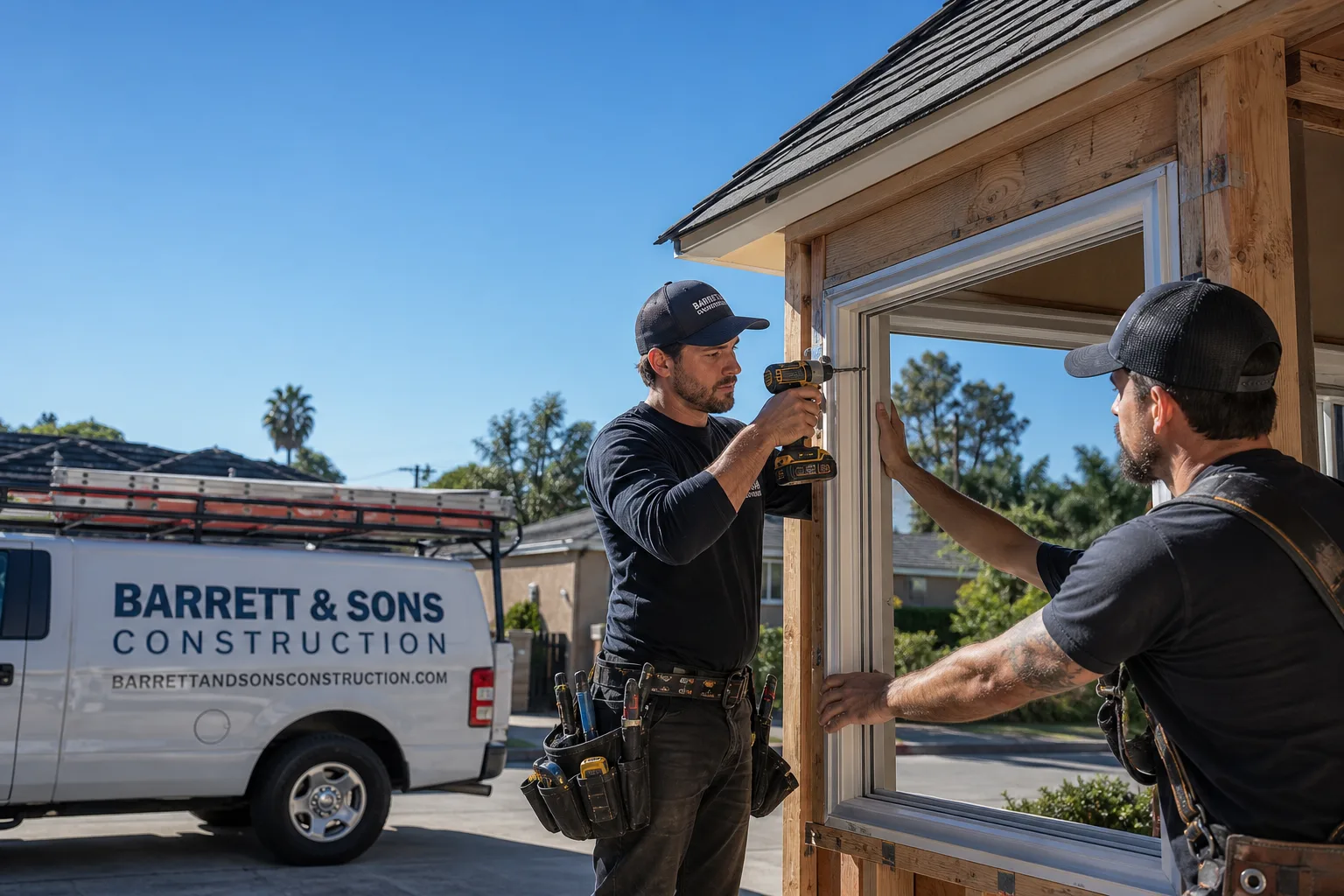
Free written scope consultation - allowances, timeline, and change-order rules on paper before a single trade is scheduled
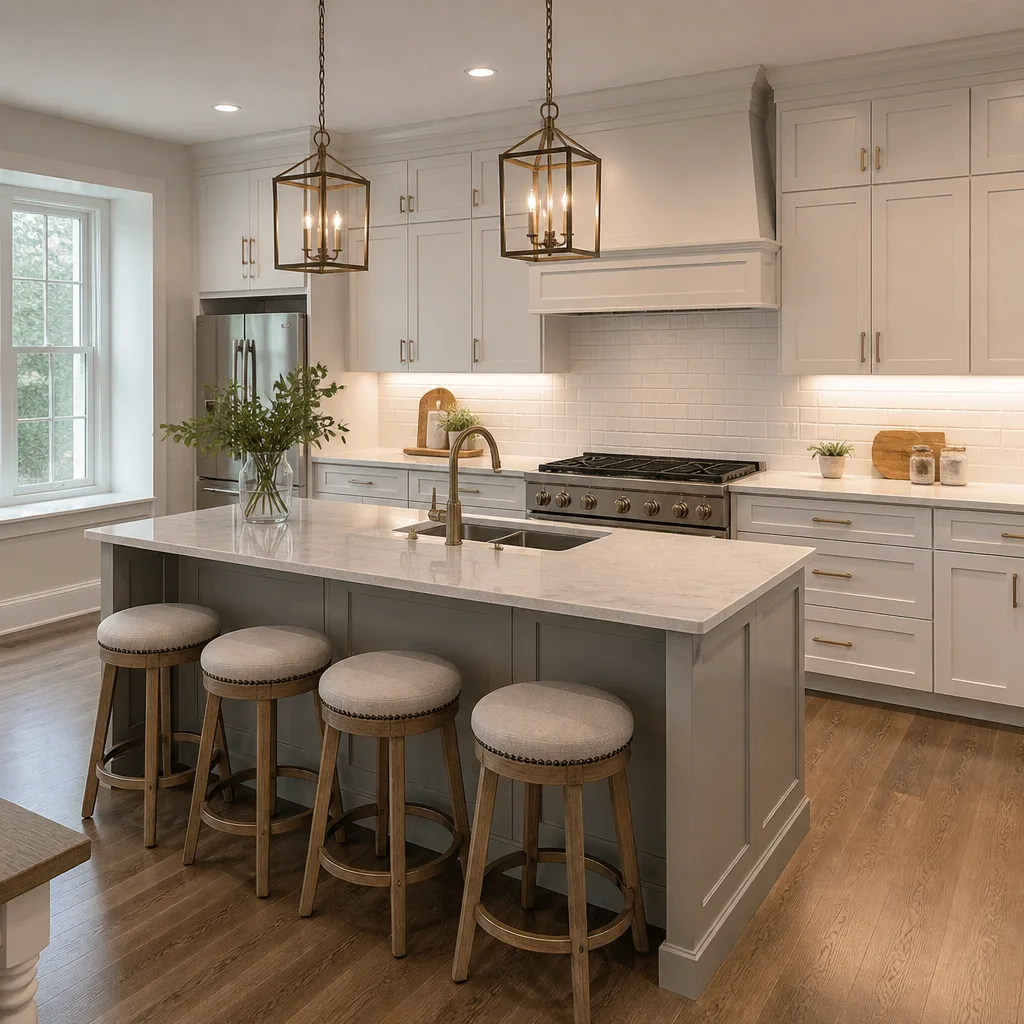
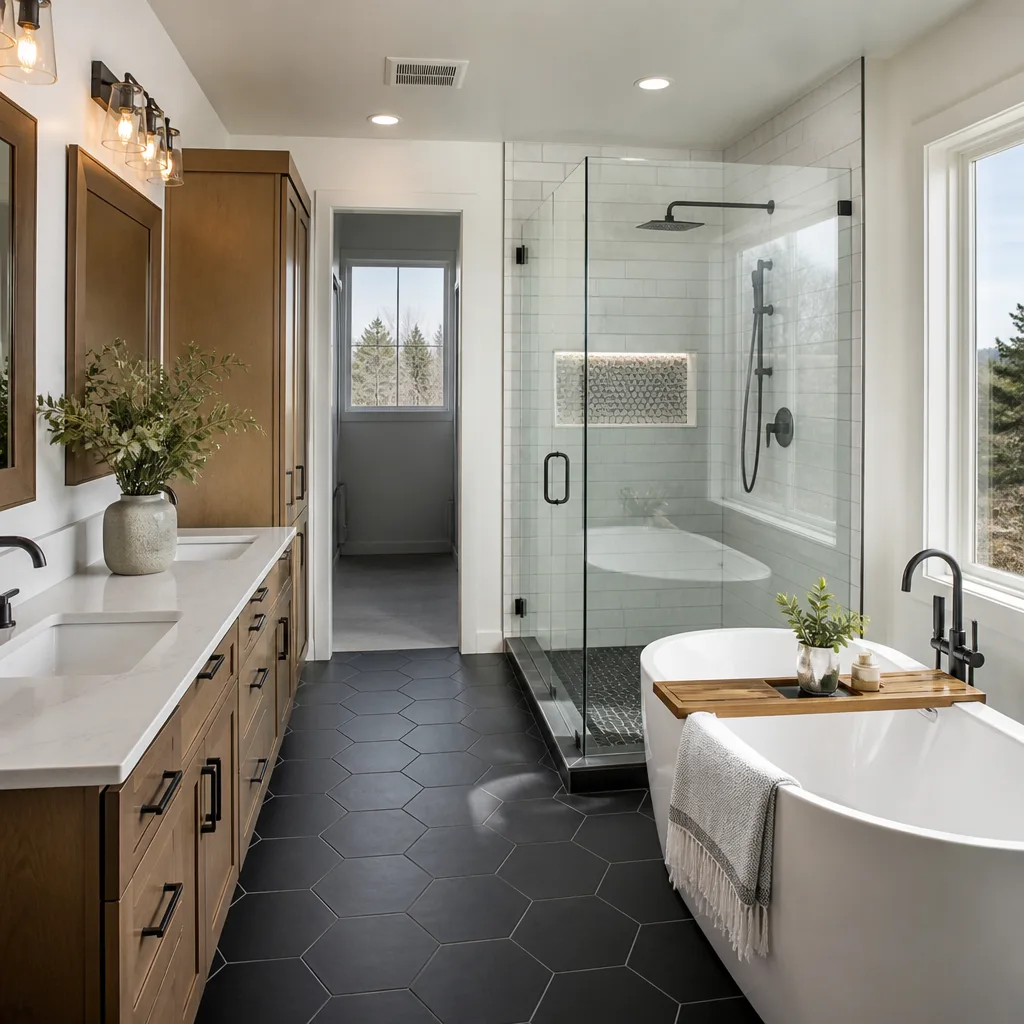
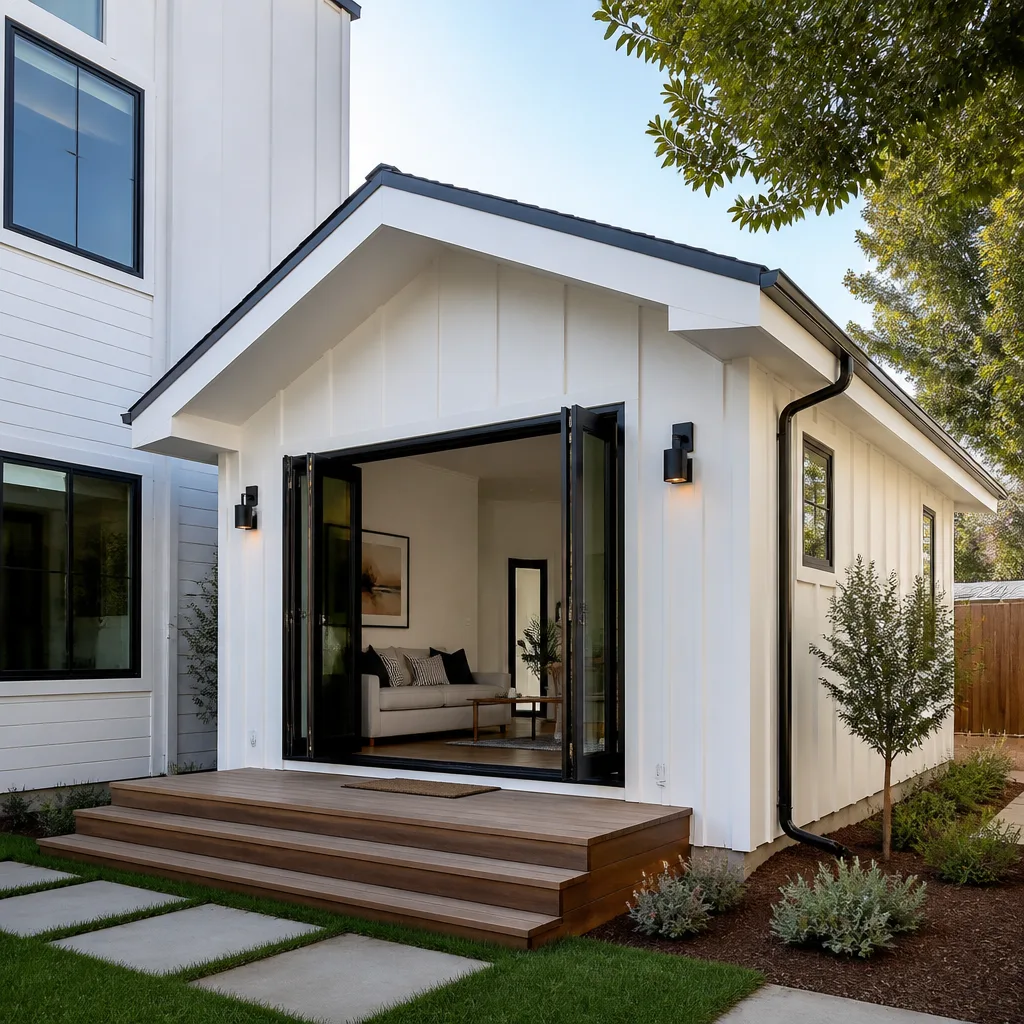
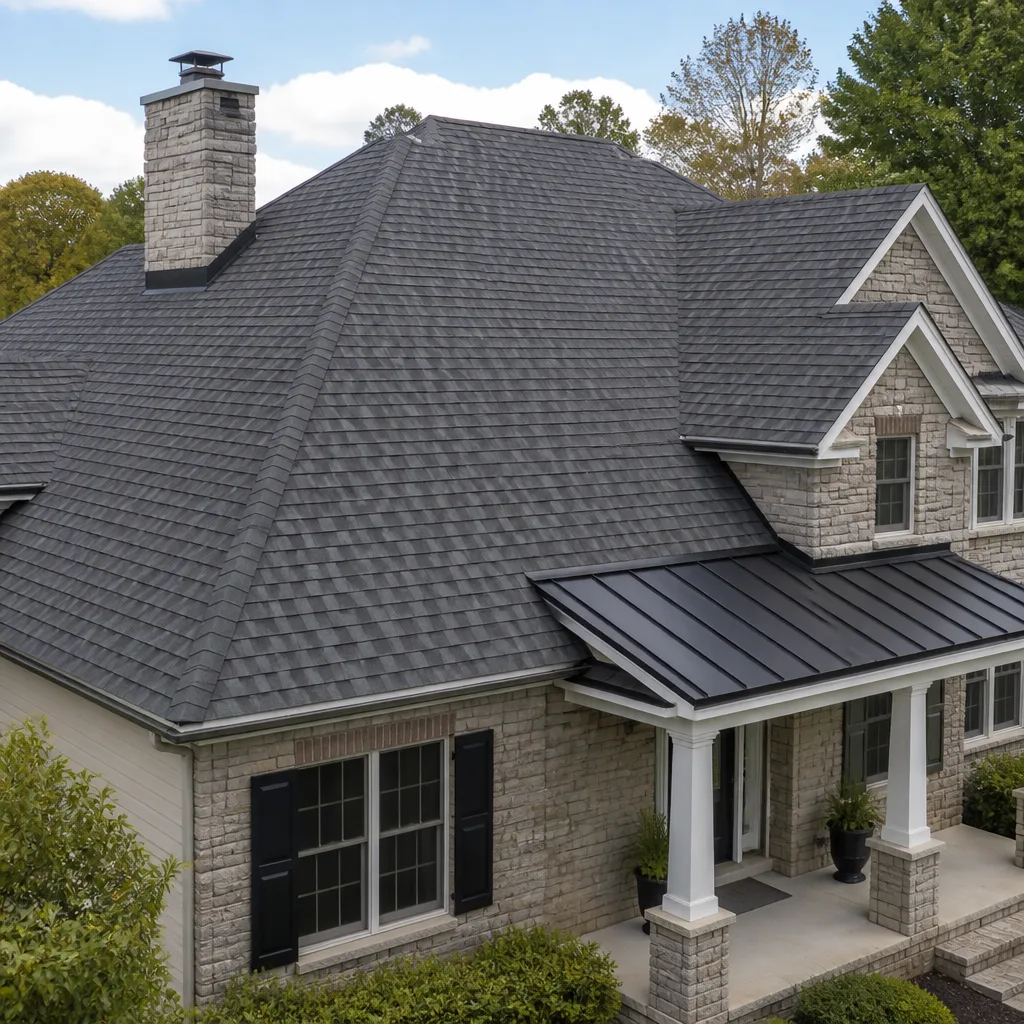
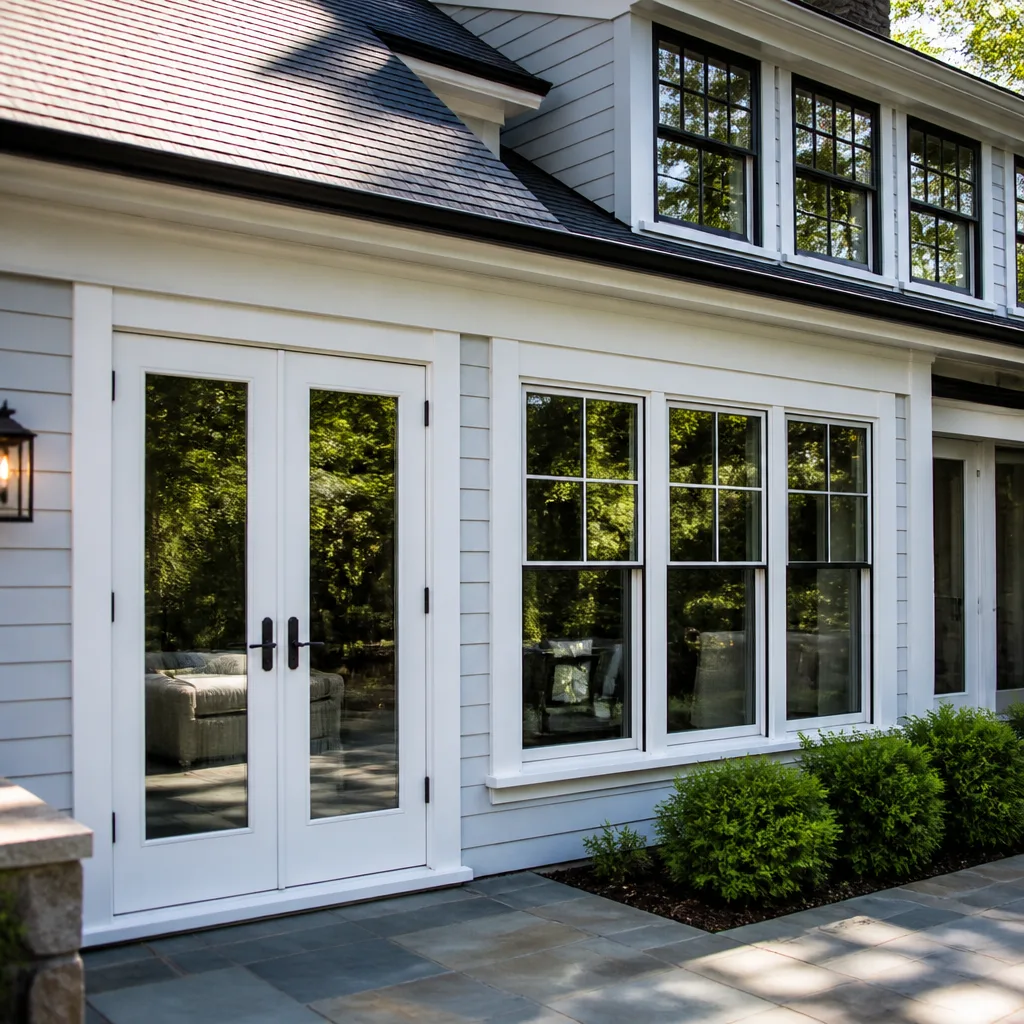
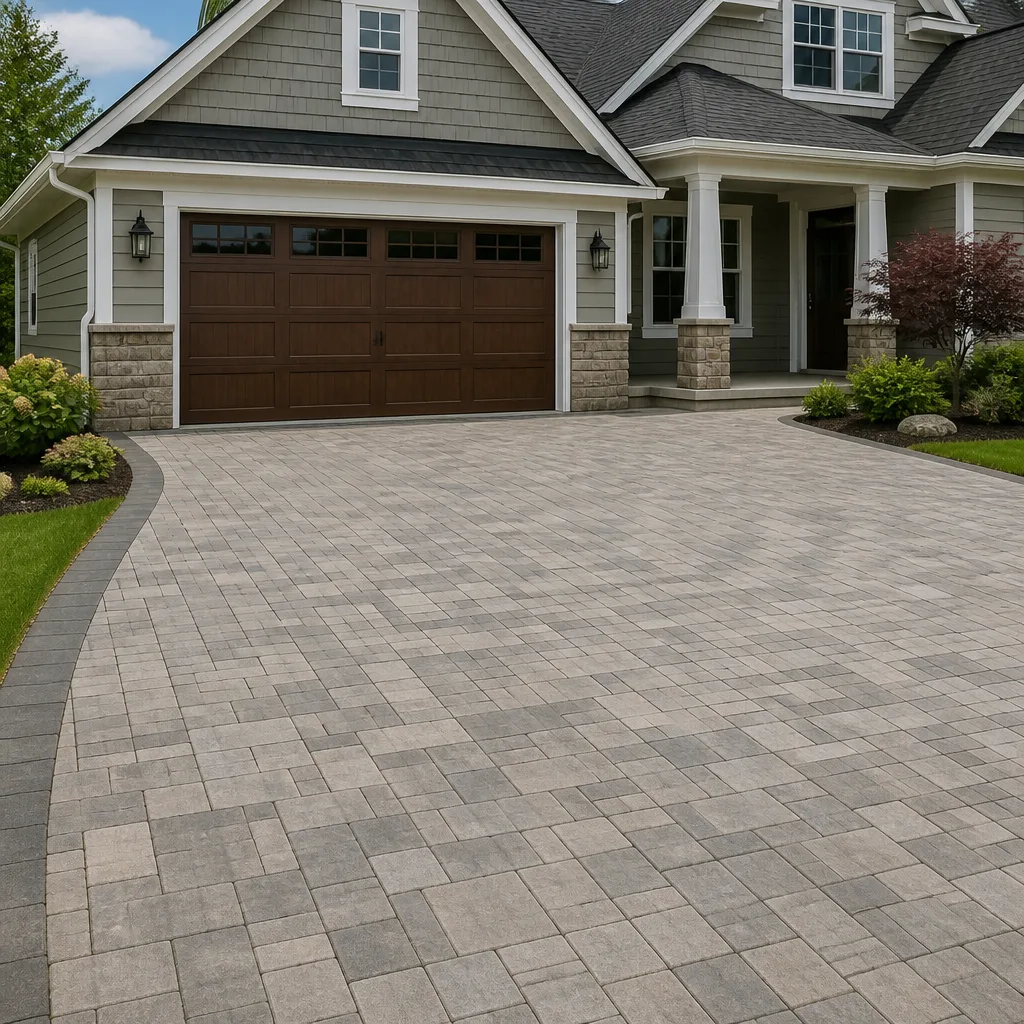
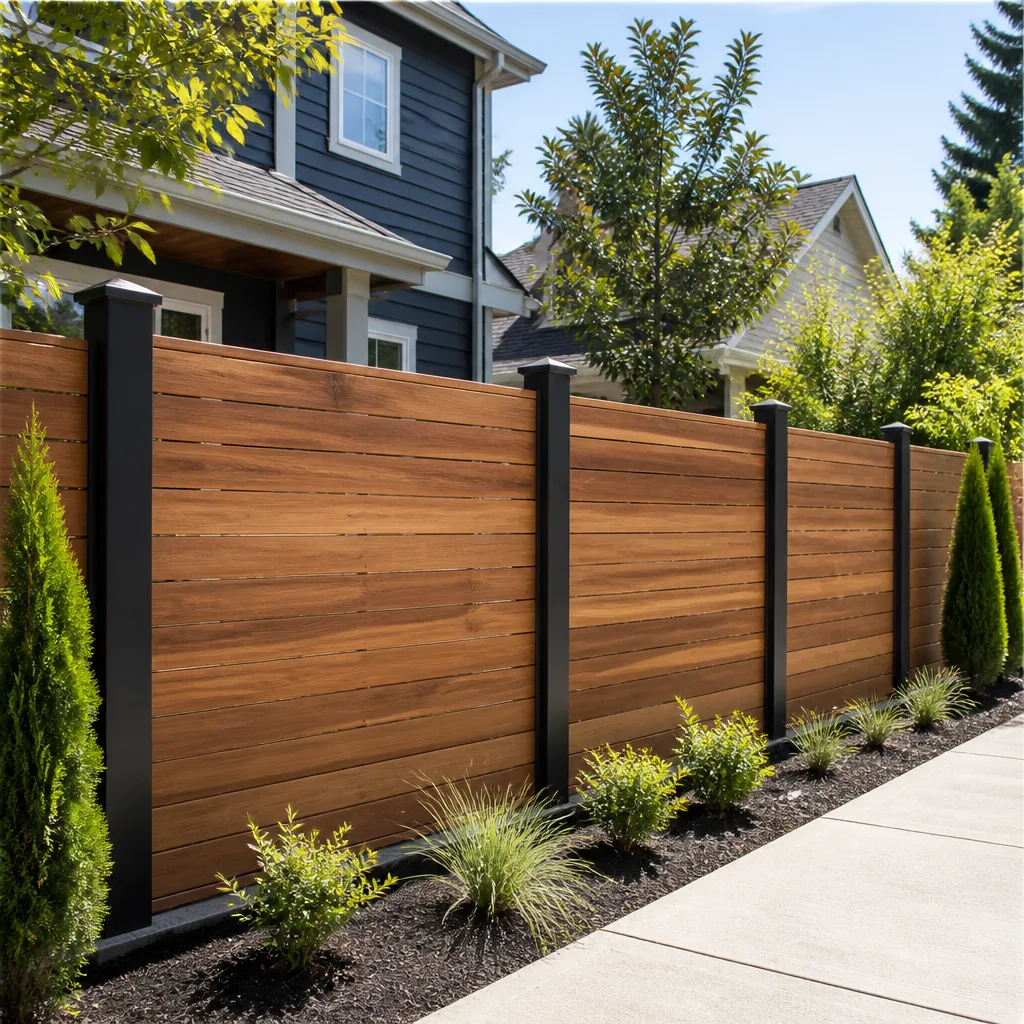
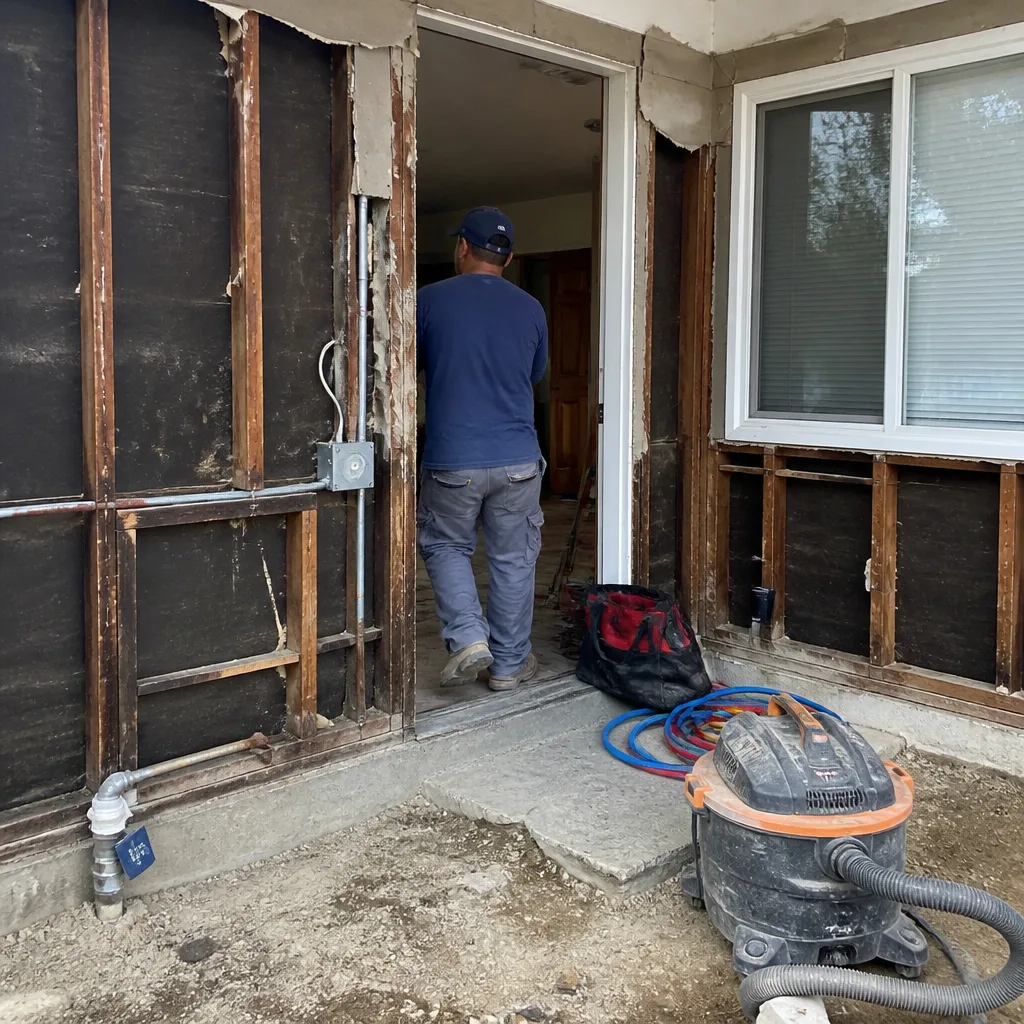 Before
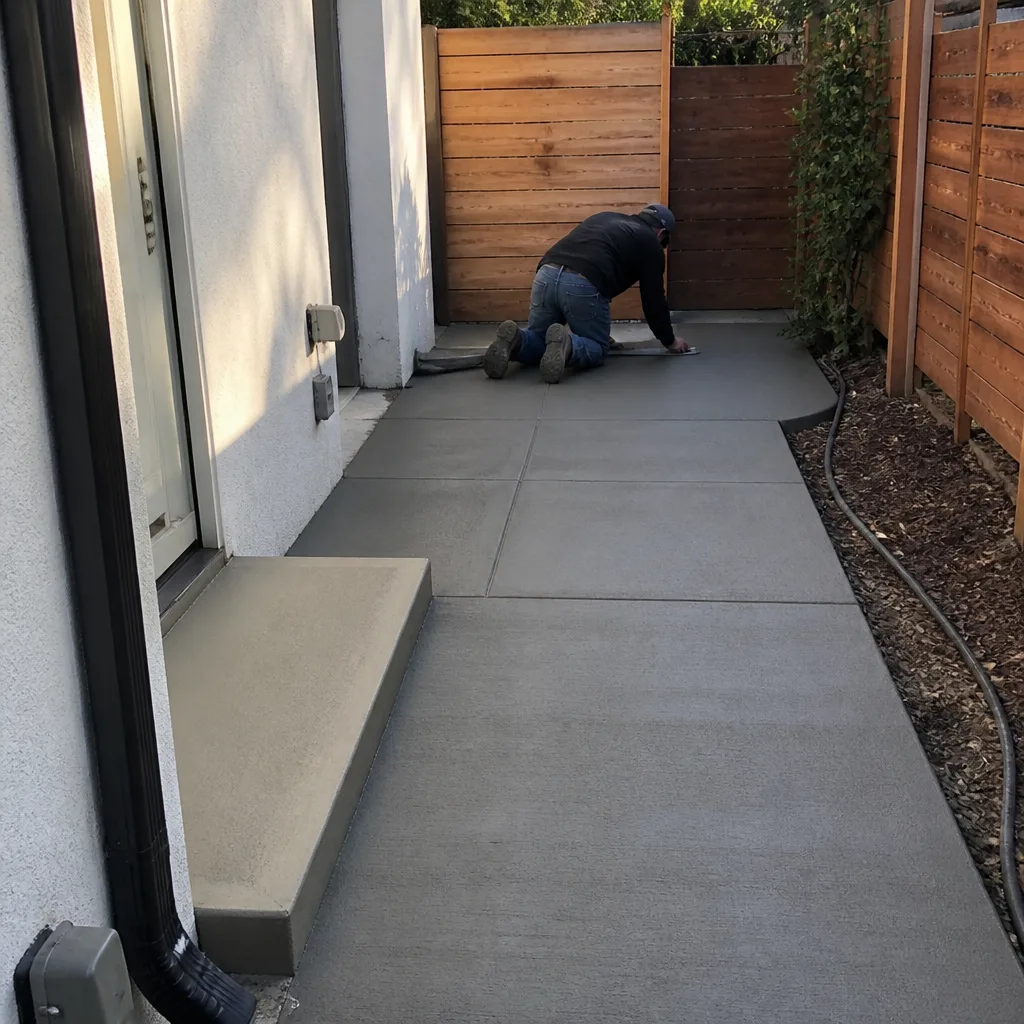 After
After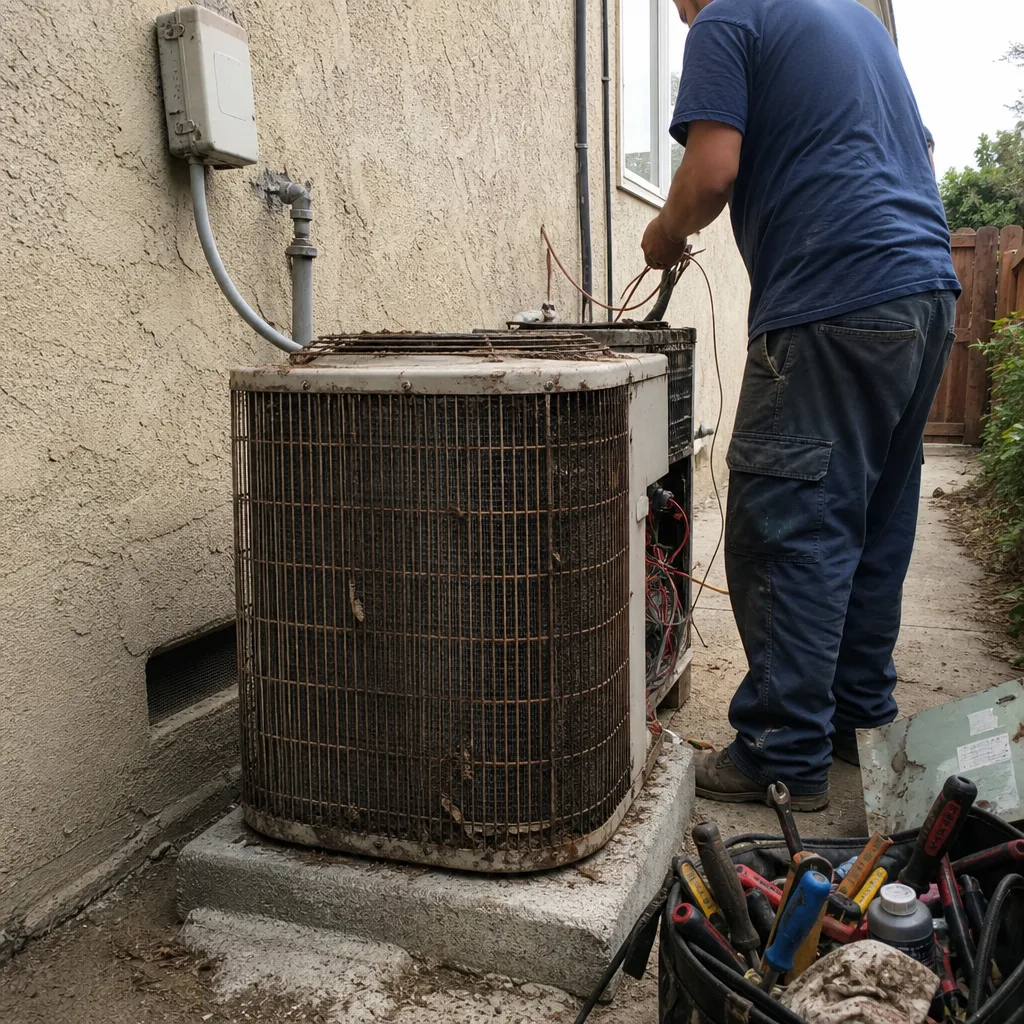 Before
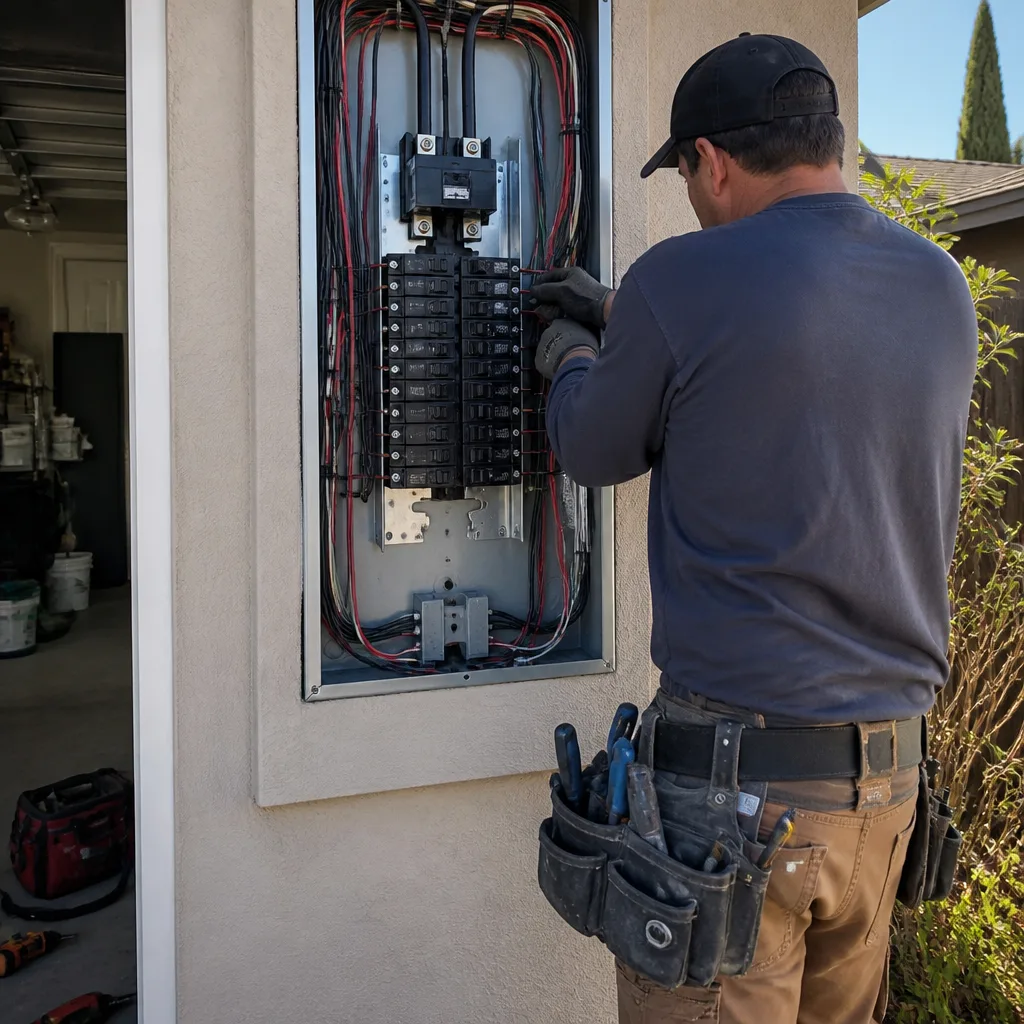 After
After Before
 After
AfterFast, Reliable Home Additions & ADU Across Castro Valley
Home additions and ADU construction in Castro Valley typically run $45,000-$130,000 for a room addition and $90,000-$220,000 for a full ADU, and the single biggest variable is not square footage. It’s the ground under the slab. Castro Valley sits in a fog-trapping thermal bowl on expansive clay adjacent to the Hayward Fault, and the county requires deeper piers or grade beams for even modest additions here, footing depths that would be overkill in Bay-flat cities like San Leandro. That requirement changes the budget, the schedule, and the permit path before the first nail gets driven. If you’re planning an addition or ADU in Castro Valley, call Barrett & Sons Construction at (877) 610-1318 for a free estimate from a crew that already knows what the inspector will look for.
Why Barrett & Sons Construction Is Castro Valley’s Preferred Home Additions & ADU Company
Tom Barrett founded this company in 1998, and he still runs it the way he did on day one: his name on the truck, his sons running the crews, and his phone number answered by a live person 24 hours a day. When a Castro Valley homeowner calls about a room addition off Crow Canyon Road or a garage conversion near the flatlands off Redwood Road, they’re talking to someone who has already pulled permits through the Alameda County Community Development Agency and knows exactly what the plan-checker will flag. That matters here more than in most East Bay cities, because Castro Valley is unincorporated and every permit runs through the county, not a city hall.
Our Home Additions & ADU team has built additions in Castro Valley long enough to know which hillside lots will need retaining work, which 1950s tract homes still have their original cripple walls, and where the marine fog lingers longest. Tom Barrett publishes his name, his address, and his license number. You can look it up before you sign anything, and you should. Ask anyone on your street, or look up the license number yourself.
Every job we take in Castro Valley includes permits pulled and inspections signed. Every price change arrives as a written change order before work proceeds. And every completed project carries the 90-Day Done Right Promise in writing: if it’s not done right, one call brings Tom back. That promise is on the contract, not buried in fine print.
Our Home Additions & ADU Services in Castro Valley
ADU Site Prep & Utilities
Building a new detached ADU in Castro Valley means digging footings into expansive clay that swells in winter and shrinks in summer. The Pleasanton and Los Osos series clays on these hillside lots will heave a shallow footing within two wet seasons and crack the slab above it. We specify deeper piers or grade beams on every new ADU, even when the county minimum would technically allow less, because we’ve seen what a wet December does to a footing that was barely deep enough. Utility runs follow the same logic: trenching through clay that moves means scheduling around the wet season and using conduit and bedding that can tolerate ground movement. Tom’s sons run these crews, and they know Castro Valley soil the way you know your own driveway.
Room Additions
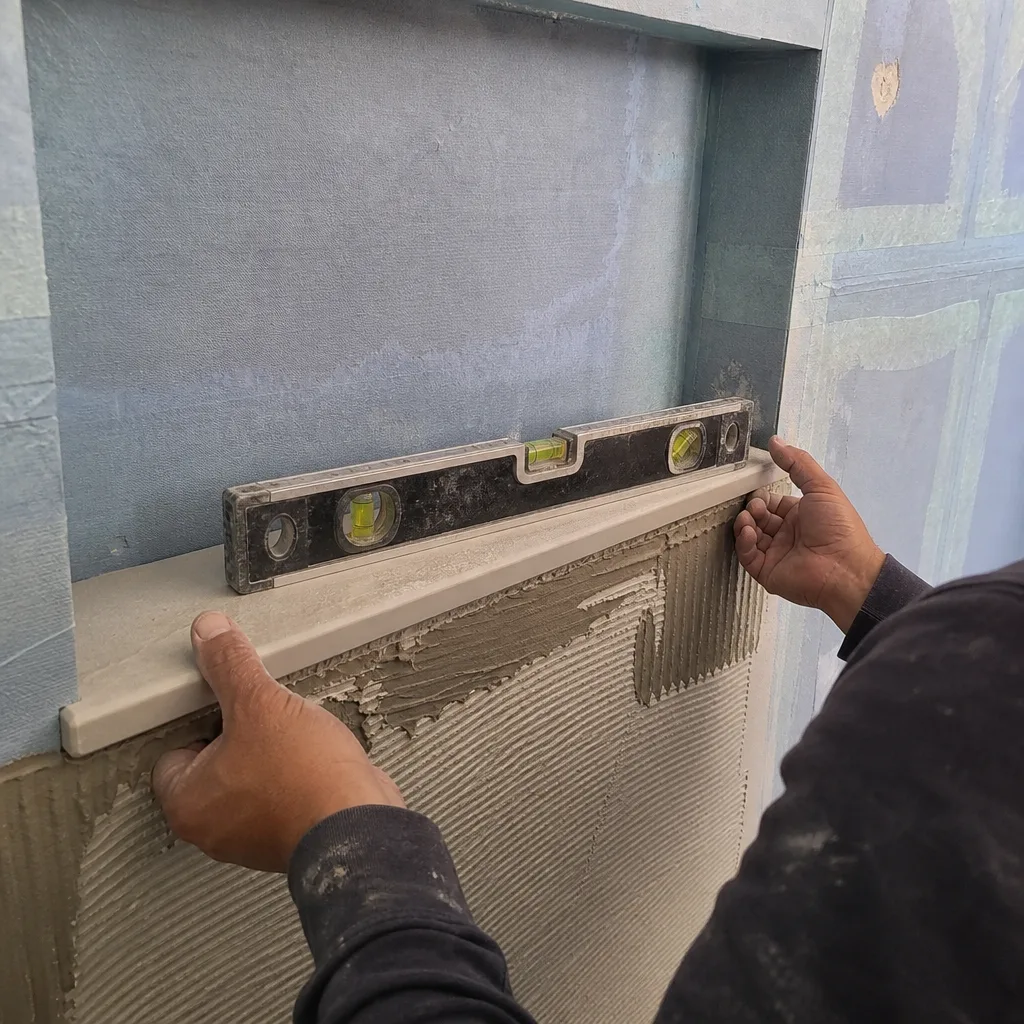
A room addition in Castro Valley is rarely as simple as framing four walls and tying into the existing roof. Most of the housing stock in the flatlands and lower hillsides is post-WWII tract construction from the 1950s through the 1970s, and a lot of those wood-frame ranches still have original cripple-wall foundations that were never bolted to the slab. When we tie a new addition to a 1950s ranch, we inspect that connection first. If the cripple walls are unbraced or the anchor bolts are missing or rusted, the addition cannot be safely tied in until that’s addressed, and we’ll tell you that in writing before we start, not after we open the wall. The county inspector will look for the same thing, because Castro Valley’s fault-adjacent location means seismic scrutiny on every structural connection.
Garage Conversion ADU
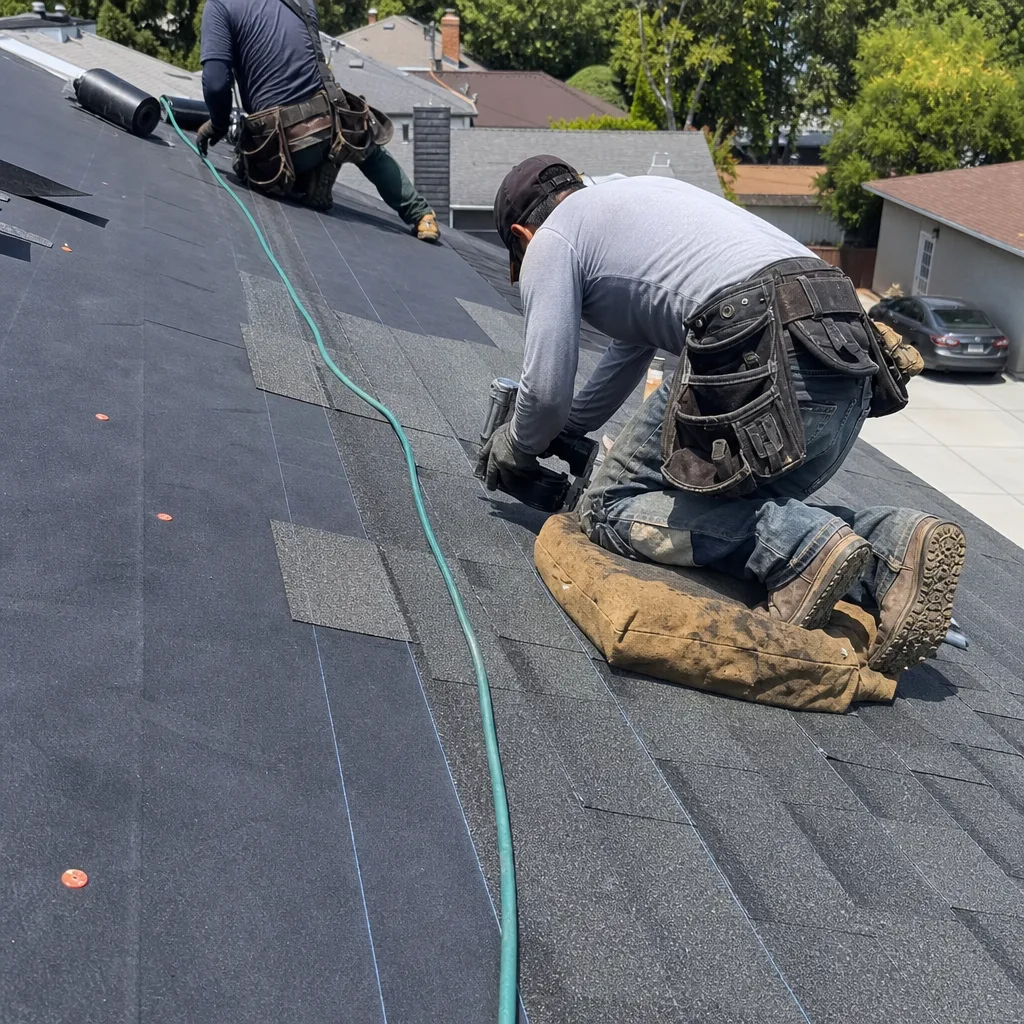
Garage conversions in Castro Valley usually cost $30,000-$80,000, and the range depends heavily on what we find behind the drywall. Many of these garages were built as part of the original post-war tract homes, which means the slab is thin, the cripple walls are unbraced, and the roofline was never engineered for living space. We include cripple-wall bracing and shear panels in our garage conversion scopes by default in Castro Valley, because the county plan-checker will require them anyway, and it’s cheaper to build them right the first time than to tear out finished work later. That honesty is why homeowners around Lake Chabot Road and Castro Valley Boulevard call us back for the next project.
Junior ADU & Interior Conversion
A junior ADU built inside an existing Castro Valley home lets you add rental income without changing the footprint of the house. But even an interior conversion triggers seismic and egress requirements under Alameda County codes, especially when it involves a new kitchenette or a separated entrance on a hillside lot. We pull the permit, schedule the inspections, and make sure the conversion meets county standards before drywall goes up. If you’ve been burned by a contractor who said permits were optional, you already know what that sentence costs.
What happens when you call
- 1
A real person answersNo phone trees - you reach a local pro.
- 2
You get an upfront price rangeHonest numbers before anyone is dispatched.
- 3
A background-checked tech heads outLicensed & insured, dispatched right away.
- 4
You approve before work beginsNothing starts until you say go.
Trusted Brands We Service in Castro Valley
Barrett & Sons installs materials you can look up, not mystery brands off a van. For ADU and addition work in Castro Valley, we frequently specify Schluter for waterproofing on wet-room and kitchenette installs, GAF for roof transitions on second-story additions, and Grohe fixtures in ADU kitchens and baths. We stock the common parts and fasteners these systems require locally for Castro Valley customers, which shortens lead times when a delivery shows up short or a detail needs a particular flashing profile. A brand name on a spec sheet only matters if the crew knows how to install it correctly, and our crews have installed these systems enough times to know their failure points, not just their marketing copy.
Common Home Additions & ADU Problems We See in Castro Valley Homes
We don’t guess at what your addition or ADU will need. We know, because we’ve opened enough walls and dug enough footings across Castro Valley to see the same failures repeat. Here’s what we actually find:
- Shallow footings on expansive clay. A modest room addition built with the minimum footing depth will crack its slab within two wet seasons on Castro Valley’s hillside lots. The clay swells when the winter fog and rain saturate it and shrinks in the dry season, and any footing that rides that movement eventually transfers stress into the structure above.
- Marine fog and trapped moisture destroying unsealed work. Standard cedar fence posts, unsealed paver joints, and exposed framing rot within five years in Castro Valley’s thermal bowl, where fog lingers well past the morning hours. We specify hot-dip galvanized hardware and marine-grade finishes as the baseline, and we write it into the scope so you’re not paying for the inland-spec job twice.
- Unbraced cripple walls from pre-1970s ranch homes. When we tie an addition into one of these houses and the cripple-wall studs have never been bolted or sheared, any Hayward Fault movement shifts the connection and cracks the stucco at the tie-in. The fix exists, and you want it done before the addition is framed, not after the first tremor.
- Hillside drainage overwhelming new foundations. The steeper lots in the 94552 zip code were often built on cut-and-fill pads, and runoff from a new addition’s roof can saturate the fill below if the drainage plan was an afterthought. We route downspouts and surface drains away from new footings on every hillside job, because water on Castro Valley clay finds its way down eventually.
Pricing for Home Additions & ADU in Castro Valley, CA
We publish our pricing ranges because you deserve to know the cost before you call, not after a sales pitch. A coastal-spec room addition in Castro Valley with deep footings runs $45,000-$130,000. A full ADU with seismic and moisture upgrades runs $90,000-$220,000. A garage conversion ADU with cripple-wall bracing included runs $30,000-$80,000. The spread within each range comes down to site conditions, existing foundation quality, and the finishes you choose. We write every scope, every allowance, and every price change on paper before work starts, and the free estimate we give you is the number we stand behind. Call (877) 610-1318 to schedule yours.
| Project Type | Castro Valley Price Range |
|---|---|
| Room Addition (coastal-spec, deep footings) | $45,000-$130,000 |
| ADU Construction (seismic + moisture upgrades) | $90,000-$220,000 |
| Garage Conversion ADU (cripple-wall bracing included) | $30,000-$80,000 |
We Also Serve Cities Near Castro Valley
If you live just outside Castro Valley, we serve Cherryland, Fairview, Hayward, and Ashland with the same written change orders, county-permit familiarity, and 90-Day Done Right Promise. The fault lines and fog don’t stop at the city limit, and neither do we.
Serving Castro Valley, CA - Our Local Coverage Area
We’re based in the Castro Valley area and know this community well. Use the map below to see our service coverage - if you’re nearby, we can almost certainly help.
FAQs - Home Additions & ADU in Castro Valley
Castro Valley’s expansive clay soils swell significantly in wet winters and shrink in dry summers, which heaves shallow footings upward unevenly and cracks the slab above, and the county’s fault-adjacent seismic requirements demand footings that can hold through a Hayward Fault event, not just carry gravity loads. In Hayward’s flatter, more stable soils, a standard footing depth works; in Castro Valley’s hillside clay, the county plan-checker expects deeper piers or grade beams on almost every addition. Call (877) 610-1318 and we’ll explain exactly what your lot needs.
The marine fog that sits in Castro Valley’s thermal bowl keeps exterior materials damp for hours longer than in surrounding flatland cities, which accelerates rot in wood siding, rust on standard fasteners, and deterioration in unsealed joints. We specify hot-dip galvanized or stainless hardware, fiber-cement or factory-finished siding materials, and closed-cell foam at every rim joist to keep trapped moisture out of the framing. The inland-spec version of the job costs less up front and rots within a decade; the coastal-spec version is the one we write into every Castro Valley scope.
Yes on the permit; Castro Valley is unincorporated Alameda County, so every garage conversion ADU goes through the Alameda County Community Development Agency, and a conversion that adds living space almost always requires seismic bracing at the cripple walls and foundation. If the garage slab is too thin or the walls were never braced, the county will require retrofitting before final inspection. We pull the permit, do the retrofit correctly, and pass the inspection, so you’re not fighting the county alone. Call us for a free estimate.
Because Castro Valley’s expansive clay moves when it gets wet, and a paver patio built on an inadequately prepared base will heave, sink, and separate at the joints within a few wet seasons. Livermore’s drier, better-draining soils let a standard base work; Castro Valley’s clay requires deeper excavation, a thicker compacted aggregate base, and sealed joints to keep water from working its way under the pavers. That prep work is what makes the difference between a patio that lasts twenty years and one that looks like a rummage sale by year four.
Rarely, and we wouldn’t do it anyway; the 1950s split-levels across Castro Valley were mostly built before modern seismic codes, and their cripple walls were often never bolted to the foundation, so adding a second story means doubling the load on a connection that was never designed for it. The county inspector will flag the unbraced cripple wall, and every day of delay while you retrofit after framing is money lost. We inspect the foundation before we design the addition and give you the retrofit cost in writing up front. Call (877) 610-1318 to get started.
Written by Tom Barrett, Owner at Barrett & Sons Construction, serving Castro Valley since 1998.