
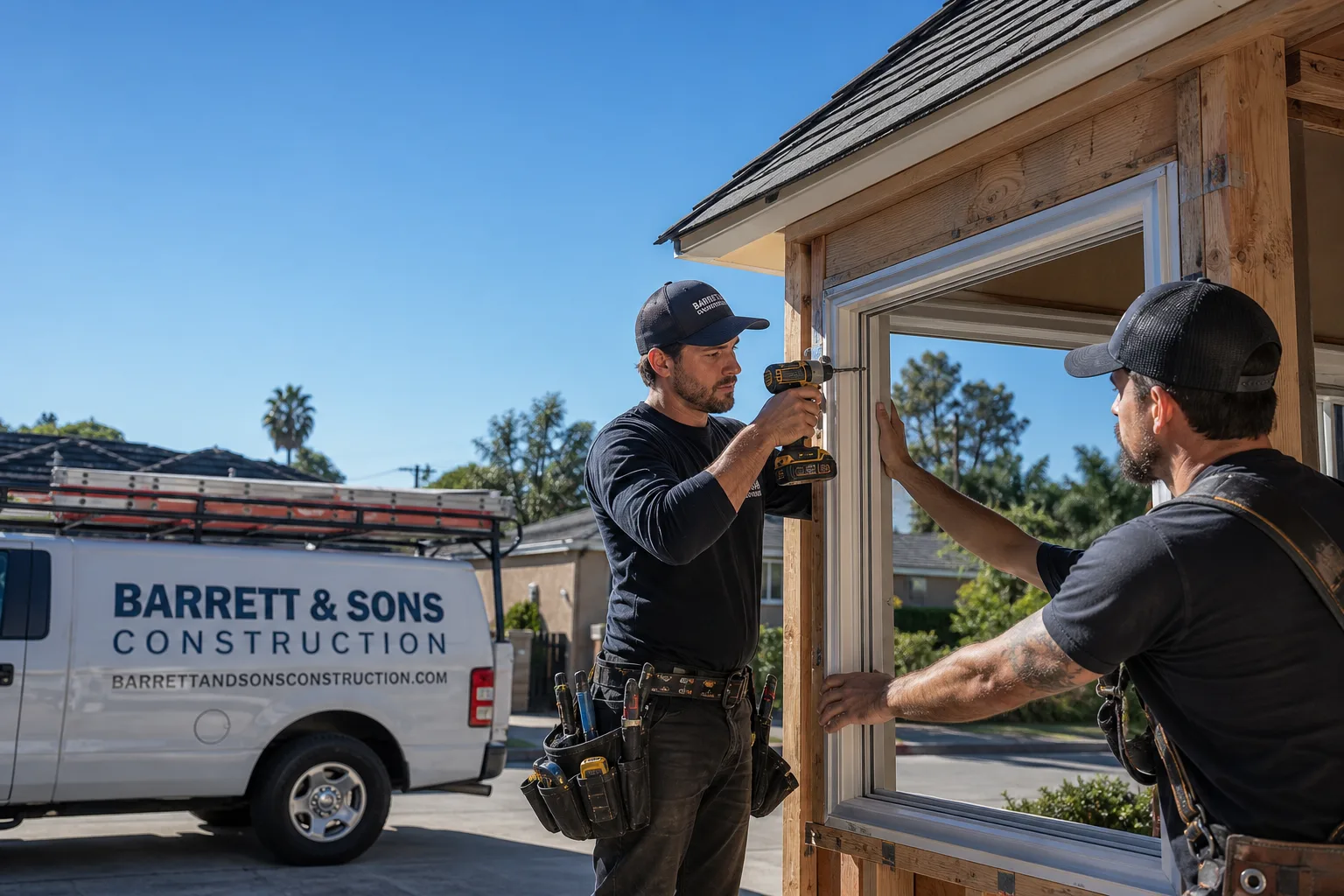
Free written scope consultation - allowances, timeline, and change-order rules on paper before a single trade is scheduled
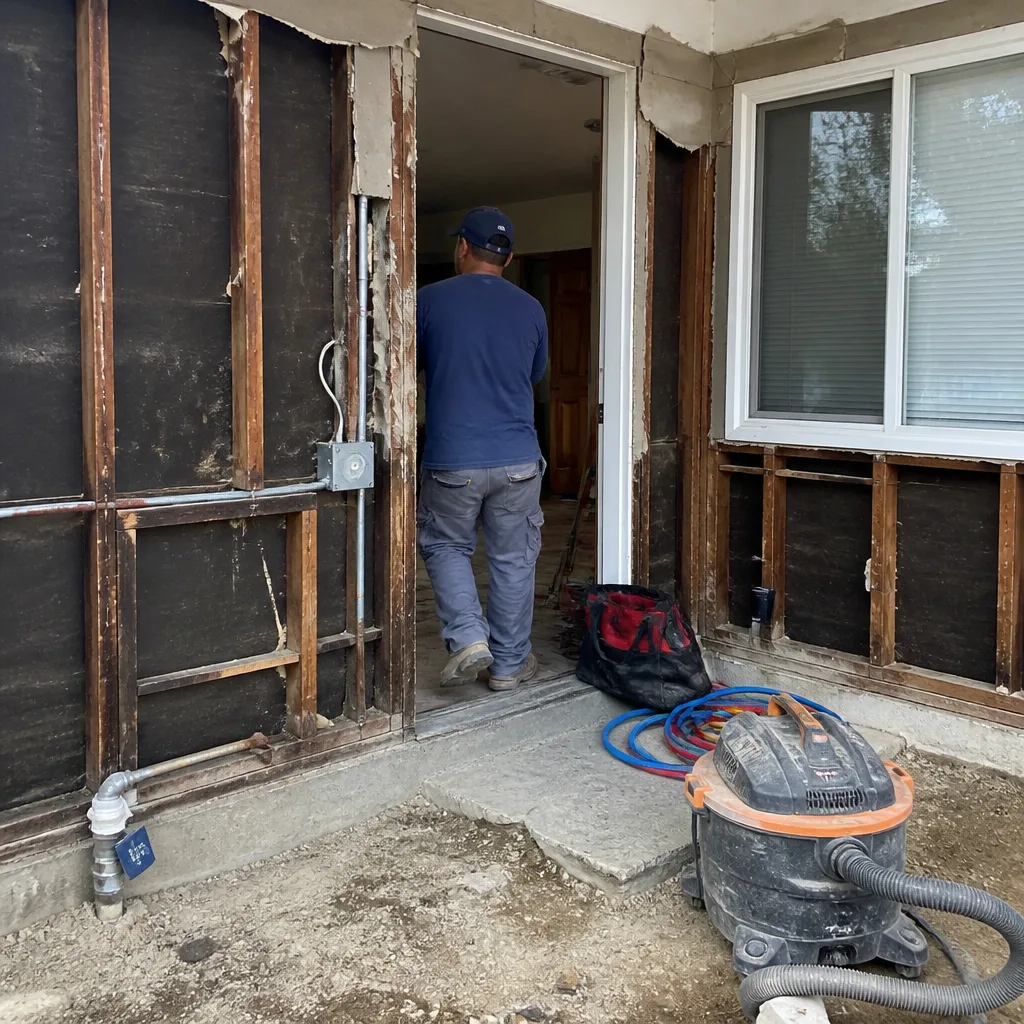 Before
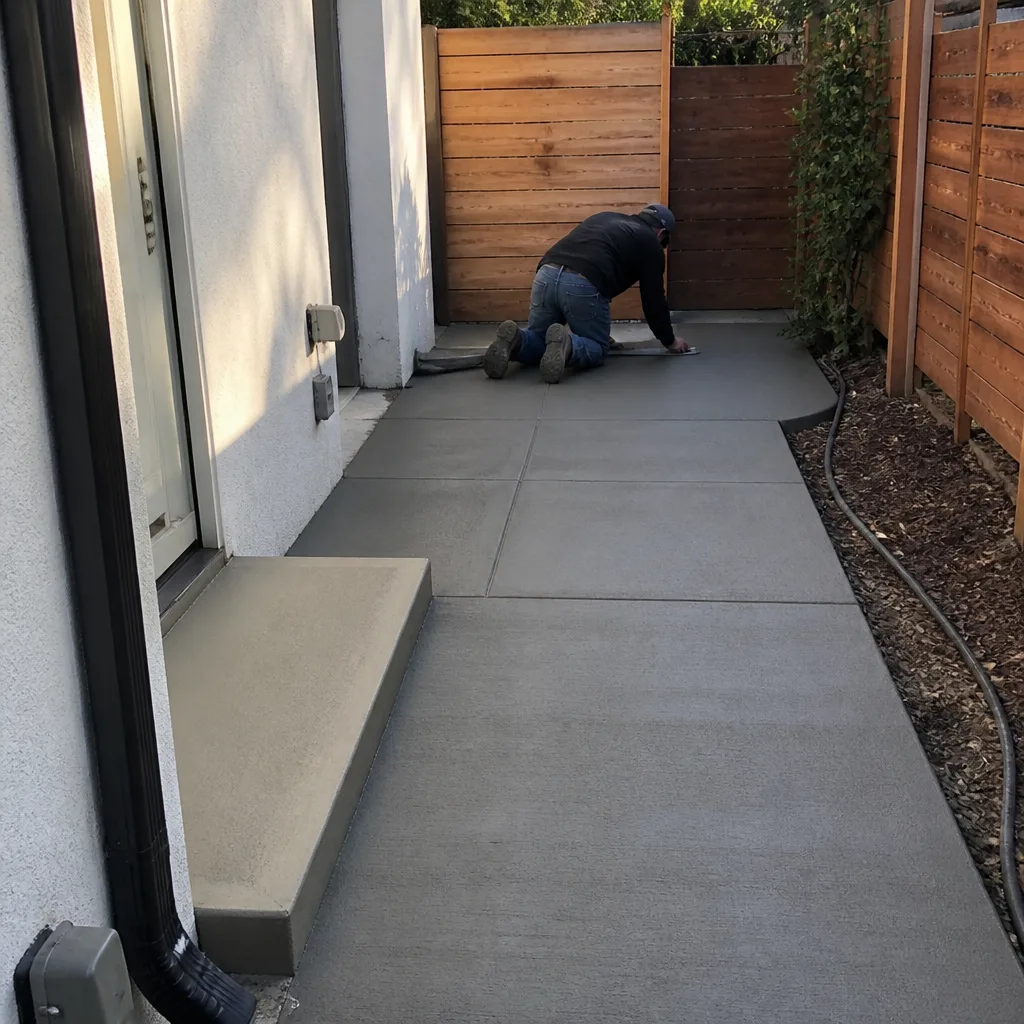 After
After Before
 After
After Before
 After
AfterFast, Reliable Fence Installation Across Mission District
Fence installation in Mission District, CA runs $3,500-$9,000 for most projects, with the material, post anchoring method, and DBI permit path being the three biggest cost drivers. We replace wood, vinyl, and aluminum fences along those narrow 25-foot lots, party walls, and garage-bay setback lines that define the neighborhood. Call (877) 610-1318 for a written line-item estimate, not a ballpark.
Most Mission District homeowners we meet already know the drill: a fence quote that looks cheap on the phone turns expensive the moment a crew hits unreinforced brick or a stucco wall that needs reinforcement before a post goes in. Tom Barrett has been building here long enough to know exactly where those surprises live on a property, and he writes them into the scope before the first post hole is dug. That is the difference between a bid and a plan.
Why Salt Air Decides Your Fence Materials, Not Your Schedule
The Mission sits in San Francisco’s so-called banana belt, shielded from the marine layer by Twin Peaks. That means fewer fog delays than the Outer Richmond, sure. But it also means this neighborhood gets a steady, dry, salt-laden breeze that works its way into every unsealed joint, bracket, and post base. We see standard galvanized post brackets from inland-spec fence jobs in Mission District start to creep with crevice corrosion within five to seven years. That lean you see on fences along the narrow walkways near 24th Street? That is not bad installation. That is the wrong hardware for the air.
So when a homeowner asks why our Mission District fence quotes run higher than what a Daly City crew might offer, the answer is not “we’re a premium brand.” The answer is stainless or hot-dip galvanized hardware, post bases that keep the post out of standing water, and coated fasteners rated for coastal exposure. The inland spec that saves you eight hundred dollars today buys you a fence that lists toward the sidewalk in a decade. The coastal spec costs a little more now and stands straight until the property changes hands.
The same logic applies to fence materials. Powder-coated aluminum holds up better than raw steel or uncoated iron in Mission District’s salt air. For wood, we’re particular about the species and the post treatment. A redwood or cedar post set into a ground-level concrete grade beam without a proper gravel drain rots at the base within a few seasons here, especially where the fence butts against a stucco wall that traps nighttime condensation. We do not set a post without a drain path. Period.
Why Barrett & Sons Construction Is Mission District’s Preferred Fence Installation Company
Barrett & Sons Construction is Fence Installation done the way Mission District homeowners want it done: by a crew whose owner’s name is on the truck, not a franchise that hands your job to a subcontractor. Tom Barrett founded the company in 1998, and his sons run the crews. When you call for a fence estimate in Mission District, you talk to someone who knows what a soft-story setback line means and what the DBI inspector will look for. That local knowledge is not decoration. It is what keeps your permit moving and your fence legal.
Every Mission District estimate we write is a written, line-item scope. That includes the post anchoring method, the hardware spec, and any structural allowance for what we expect to find under the stucco. If something changes on-site, you get a written change order before the work proceeds, not a bigger invoice at the end. We pull permits and stand next to you for the inspection, because the permit inspector works for you, not for us. That is the whole point. And every completed fence is backed by our written 90-Day Done Right Promise: one call brings Tom back if something is not right.
Our Fence Installation Services in Mission District
Wood Fence
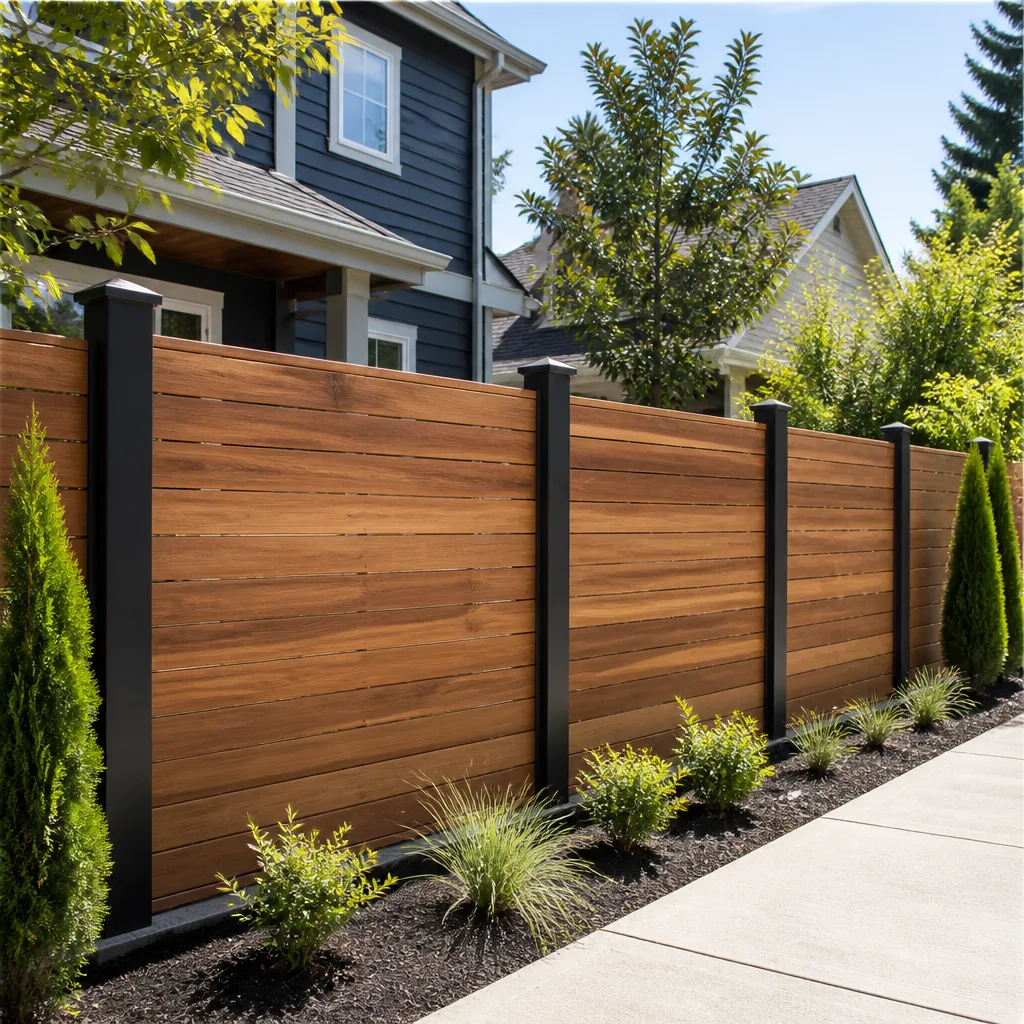
Wood remains the default for most Mission District back yards and walkway boundaries, and the default here is usually a 6-foot privacy fence with pressure-treated or naturally rot-resistant posts. On Mission District lots where the fence runs tight to a Victorian foundation or a stucco party wall, condensation created by the building itself becomes the main rot driver. We set treated posts on stainless post bases above a gravel drain so the post never sits in trapped water, even where the grade beam butts directly to the house. Redwood and cedar both age well in this climate if the post detail is right. The boards are secondary; the post base is the life of the fence.
Chain Link Fence
Chain link shows up more than people expect in Mission District, usually along commercial bays, garage access lanes, or where a building owner needs a durable boundary during a soft-story retrofit. A galvanized chain link fence near the bay will start to show surface rust within a few seasons unless it is coated. We spec vinyl-coated chain link for most Mission District projects because the salt air shortens the useful life of bare galvanizing. Tension bars, line posts, and gate hardware all get stainless or hot-dip galvanized components for the same reason. A chain link fence installed to inland spec here does not collapse; it just turns orange before its time.
Vinyl Fence
Vinyl is the low-maintenance choice, and in a neighborhood where tap water runs through galvanized supply lines in a hundred-year-old flat, “low maintenance” carries real weight. A vinyl fence in Mission District runs $3,500-$9,000 for a typical yard boundary, and the key is not the panel quality. It is the post setting. Vinyl flexes more than wood or aluminum, so any soil movement, which is common here after adjacent soft-story retrofit work compacts or disturbs the soil, will telegraph through the posts. We set vinyl posts in deep concrete with stainless brackets rated for the seismic load. You do not want a fence that racks out of plumb after the neighbor’s building gets its mandatory retrofit.
Aluminum Fence
Aluminum is the material we recommend most often for Mission District frontages, particularly on 25-foot lots where a lighter, cleaner line keeps the narrow setback from feeling caged. A quality aluminum fence in Mission District runs $4,000-$10,000 depending on grade, height, and gate count. The critical spec is the finish. Powder-coated aluminum stands up to Mission District’s dry salt breeze better than bare steel or wrought iron, and it doesn’t demand repainting every few years. We also use aluminum for gate frames because it resists the sag that ordinary iron hardware develops when soil shifts from adjacent retrofit work and pulls gate posts out of plumb.
What happens when you call
- 1
A real person answersNo phone trees - you reach a local pro.
- 2
You get an upfront price rangeHonest numbers before anyone is dispatched.
- 3
A background-checked tech heads outLicensed & insured, dispatched right away.
- 4
You approve before work beginsNothing starts until you say go.
Common Fence Installation Problems We See in Mission District Homes
- Crevice corrosion on standard post brackets. Salt-laced air gets into the tiny gap between a galvanized bracket and a steel post, and within five to seven years the bracket swells, cracks, or snaps at the bolt line. We see it most on fences along narrow Mission walkways where ocean breeze funnels between buildings. We use stainless or hot-dip galvanized brackets there, always.
- Wood post rot at the base where the fence meets a stucco wall. That fog condensation trapped against a stucco wall overnight keeps the post base damp, even in the sunny parts of the Mission. Standard wood posts set directly into a concrete grade beam without a gravel drain rot from the bottom up. Our detail is a stainless post base with a drainage path.
- Gate sag and hardware failure on iron and aluminum gates. Mission District’s soft-story retrofit work means adjacent building soil gets disturbed, compacted, or shored during construction. That movement shifts gate posts out of plumb, and ordinary hinges bind, strip, or snap. We set gate posts deeper than fence line posts and use adjustable hinges that tolerate settlement.
- Hit-unreinforced masonry while setting posts. The Mission’s dense 1920s-1940s wood-frame buildings mean fence installations routinely abort hard against legacy stucco or unreinforced brick. You can’t anchor a structural post into brick that should not carry a fence load. We reinforce the masonry first and take it through DBI plan-check before setting the post.
Trusted Brands We Service in Mission District
We stock and install product lines that are easy to research, not mystery brands off a van. For Mission District fence work, that means vinyl and aluminum systems from manufacturers like Ply Gem, Simonton, and PGT, chosen for their coastal coating durability and warranty terms that actually pay out. When a part fails or a gate hinge wears, we are not waiting on a wholesale order from two states away. We carry common hardware, post caps, and gate components locally, and we can get specialty pieces turned around in days, not weeks. A fence is only as good as the hardware that holds it, and we do not put hardware we cannot source quickly on a Mission District fence.
Pricing for Fence Installation in Mission District, CA
Here is the straight number sheet for a standard Mission District fence scope. These ranges assume a typical 25-foot-wide lot, one gate, and access from a shared walkway or alley. A fence along a busy street side, a party wall condition, or a lot with deep setbacks will run toward the top of the range.
| Fence Type | Mission District Price Range |
|---|---|
| Vinyl Fence Installation | $3,500-$9,000 |
| Aluminum Fence Installation | $4,000-$10,000 |
Three things move a Mission District fence quote more than anything else. The first is the post anchoring spec: coastal hardware and stainless post bases cost more than box-store galvanized parts, and we will never install the cheap version here. The second is access: when we’re working off a narrow shared walkway with no street frontage, we stage materials and haul by hand, which adds labor hours. The third is the structural condition of what we find under the stucco. A fence that ties into unreinforced brick needs a reinforcement detail and a DBI plan-check before any post goes in. We put that on the written estimate from day one, not after the first post hole exposes it.
You will also want to know that we honor a permanent 10% Senior & Veteran discount and a $40 off any repair over $200. And every estimate is free. Call (877) 610-1318 and we will walk the property and hand you a written number you can hold us to.
How We Handle Mission District’s DBI and Soft-Story Reality
Fence work in Mission District does not exist in a vacuum. This neighborhood holds one of San Francisco’s highest concentrations of 1920s-1940s wood-frame, soft-story apartment buildings with ground-floor garages or commercial bays. That means a simple fence replacement often requires working around a building that either has, is getting, or is overdue for its mandatory seismic retrofit. Any fence that abuts or penetrates a legacy stucco wall or unreinforced masonry on one of those buildings may require structural reinforcement and a DBI plan-check before we can set a single post. We do not skip that step because the permit inspector will catch it, and a fence that was never properly permitted becomes your problem when the building sells.
One job that stays with us: on a 25-foot-wide Mission lot near 24th Street, we replaced a rotted wood fence along a party wall where the old posts were anchored into unreinforced brick. Our crew had to coordinate with the adjacent building owner, reinforce the brick with a steel post bracket, and schedule a DBI inspection sign-off before we could close up the rough-in access, all while keeping the shared walkway clear for tenants. That is normal here. A crew that has never worked Mission District’s DBI routing will burn weeks figuring out who to call. We already know the routing paths and the inspectors, which is why our Mission District fence jobs stay on schedule when other crews stall.
Mission District’s zero-side-yard lots also change the build. On a 25-foot lot, there is no place to hide materials, and crane access is a non-starter. We hand-carry lumber and post sections down shared walkways, coordinate with adjacent building owners when we need a few feet of their yard for staging, and keep the walkway clear for tenants. It is not glamorous. It is how the job gets done without a neighbor filing a complaint with DBI.
Fence Gates: The First Thing That Fails on a Mission District Fence
Gates fail before the fence does, almost every time. In Mission District, the main culprit is soil movement. Adjacent soft-story retrofit work, shoring operations, and even the seasonal swell and shrink of clay soil under Mission District’s dry, sunny climate will shift a gate post a fraction of an inch. A fraction is all it takes. The hinge binds, the latch stops lining up, and the gate starts dragging on the walkway or hanging open. Ordinary hardware cannot absorb that movement. We use adjustable hinges and deep-set gate posts, and we oversize the post concrete for any Mission District gate we install. If you are replacing a gate only, we can often set new posts without touching the rest of the fence, which keeps the number small and the permit simple.
Serving Mission District, CA - Our Local Coverage Area
We’re based in the Mission District area and know this community well. Use the map below to see our service coverage - if you’re nearby, we can almost certainly help.
FAQs - Fence Installation in Mission District
In most cases, like-for-like replacement of a fence in Mission District with the same height, material, and footprint does not require a DBI permit, but any fence that ties into a soft-story building, a party wall, or unreinforced masonry often does, because the fence is affecting a structural element. We will check your specific condition during the estimate and tell you in writing if a permit is required. Call (877) 610-1318 to have Tom walk the property and give you a straight answer.
That allowance is for the engineer’s time to design a post anchoring or masonry reinforcement detail when your fence ties into a soft-story building, unreinforced brick, or legacy stucco, which is common in Mission District. Without that detail on paper, DBI will not sign off on the rough-in, and without DBI, the fence is not legal. The allowance appears on the written estimate from the start, not after we open the wall and find something. If we don’t need it, you don’t pay it. Call (877) 610-1318 and we will explain exactly what your project triggers.
Powder-coated aluminum is the best material for Mission District’s salt air if you want a fence that does not need repainting every few years; it resists the corrosion that eats galvanized steel and does not require the maintenance of painted wood or iron. A quality aluminum fence in Mission District runs $4,000-$10,000. For wood, redwood with a proper stainless post base and a drain path is the next best choice, but it will need refinishing or stain every few years no matter what we do. Call (877) 610-1318 to look at samples and pick what fits your lot and your maintenance tolerance.
We treat the party line as a shared structural condition, not a simple boundary, if the fence runs along a neighbor’s garage in Mission District, and we coordinate with the neighbor, document the condition, and often reinforce the wall before setting any posts. We won’t drill into a neighbor’s unreinforced masonry without an engineer’s detail and their written consent. That protects you from a legal fight later and keeps DBI happy. Call (877) 610-1318 and we will handle the coordination, the documentation, and the permit.
Yes, you can install a fence before your Mission District building’s soft-story retrofit is done, but we design the fence so the retrofit contractor can access the building without tearing out the whole fence, which usually means setting posts independently of the building’s shoring zones and using adjustable gate hardware. The retrofit will shift the soil around the building, and any fence attached to the structure needs to tolerate that movement. We coordinate the sequencing so you don’t pay for a fence and then watch it get torn out during the retrofit. Call (877) 610-1318 to discuss your retrofit timing and how the fence fits into it.
We Also Serve Cities Near Mission District
In addition to full fence installation coverage across Mission District, our crews regularly build and repair fences in Noe Valley, Visitacion Valley, and Chinatown, and across San Francisco. If you’re on the boundary between Mission District and Noe Valley, we will still handle your fence quote the same way: written scope, coastal-spec hardware, and DBI-compliant post anchoring.
Get a Written Estimate for Fence Installation in Mission District
If you live in Mission District and need a wood, vinyl, or aluminum fence, a gate, or a repair, the next step is a written estimate you can hold us to. Call Barrett & Sons Construction at (877) 610-1318. We’ll walk the property, look at the stucco condition, check the post anchoring, and hand you a line-item number. No allowances off the record. No surprises after the fact. That is how Tom Barrett has run this company since 1998, and it is how we run every fence job in Mission District.
Written by Tom Barrett, Owner at Barrett & Sons Construction.