
Free written scope consultation - allowances, timeline, and change-order rules on paper before a single trade is scheduled
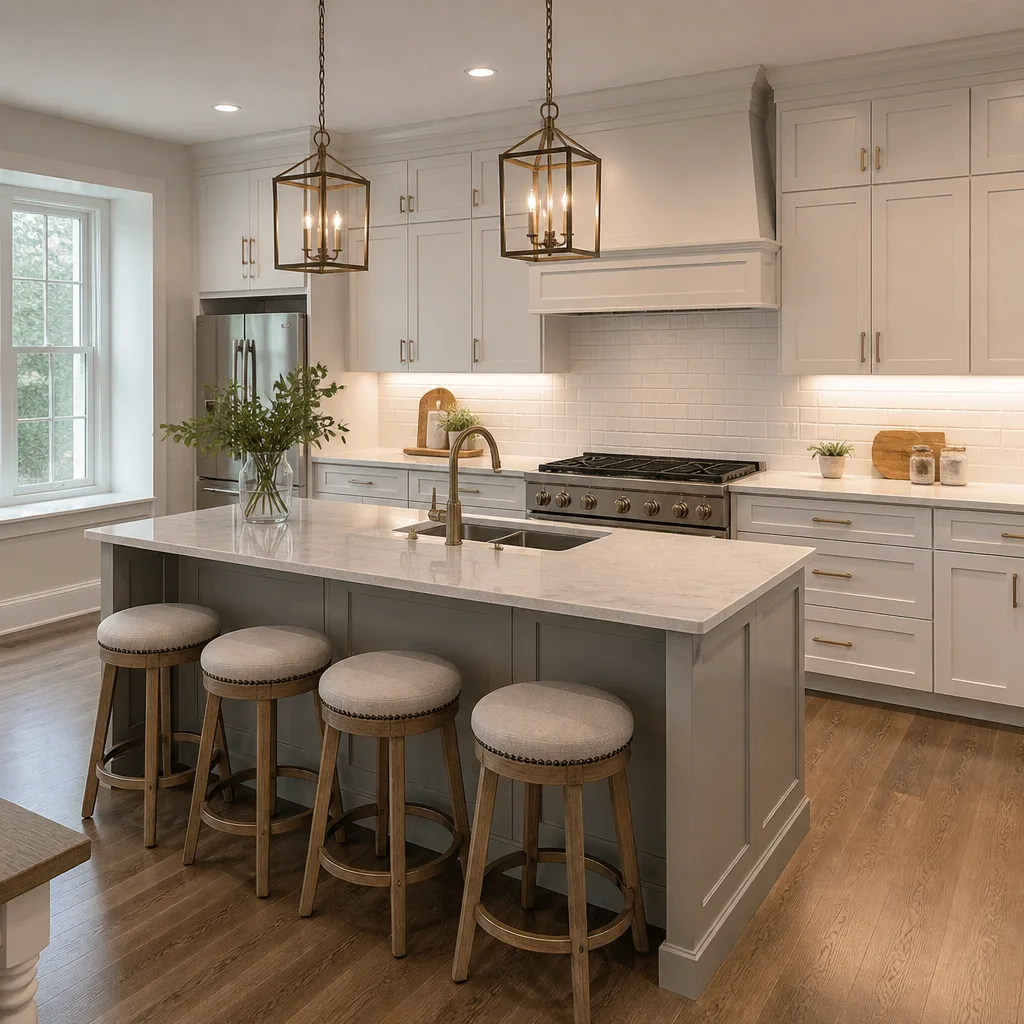
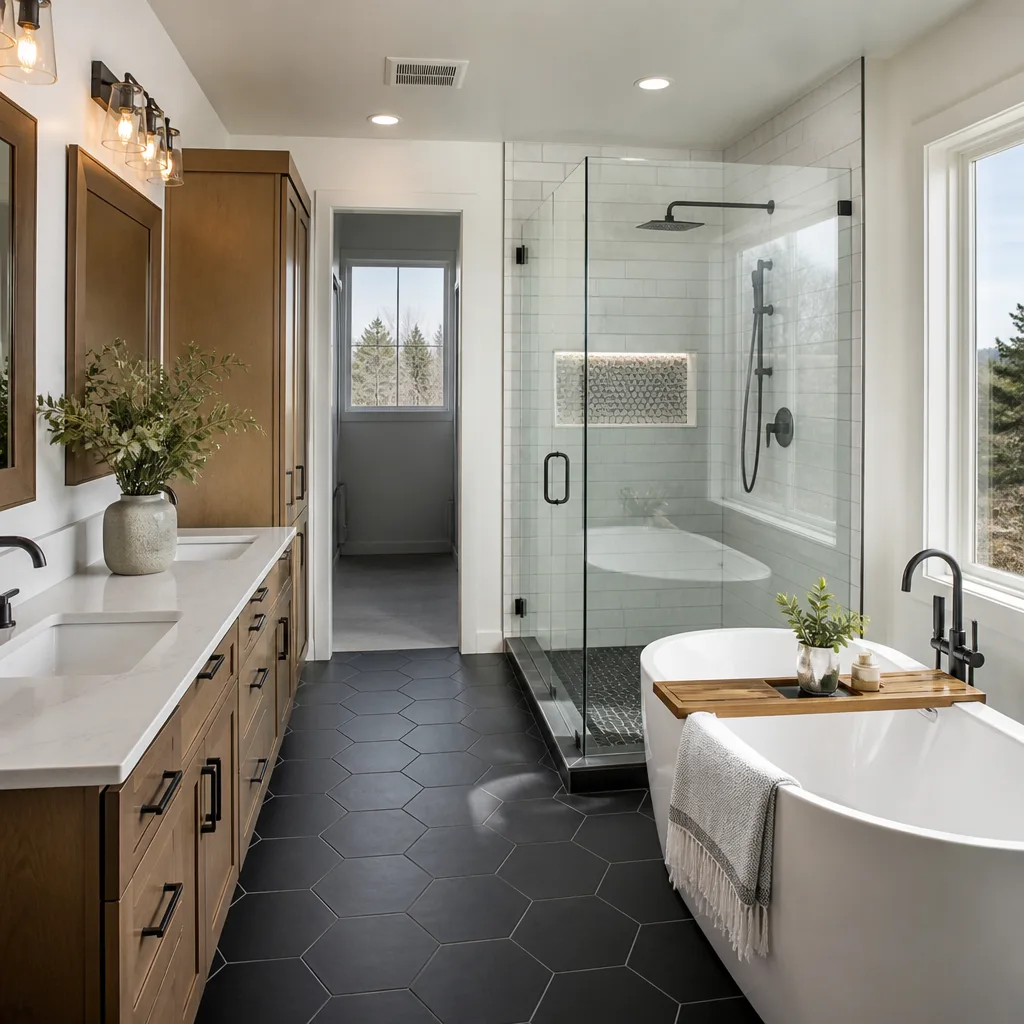
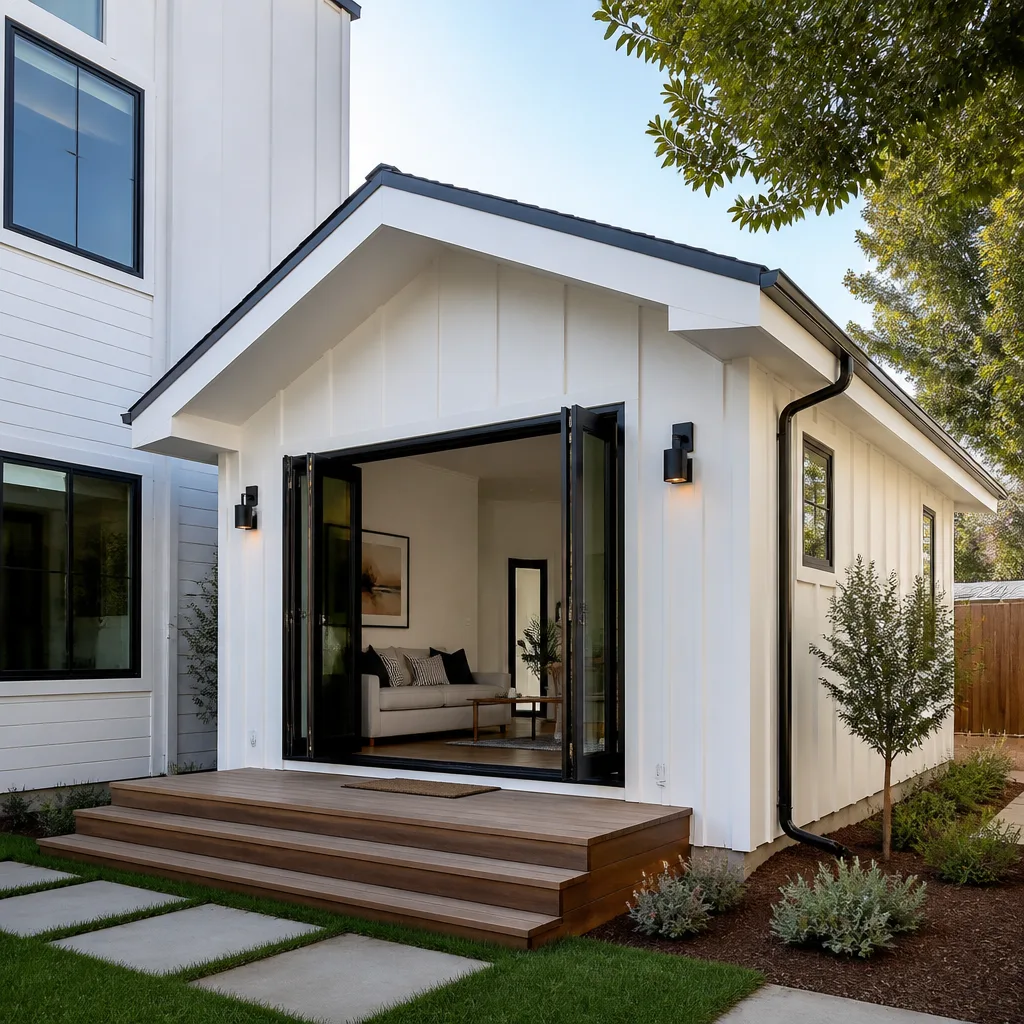
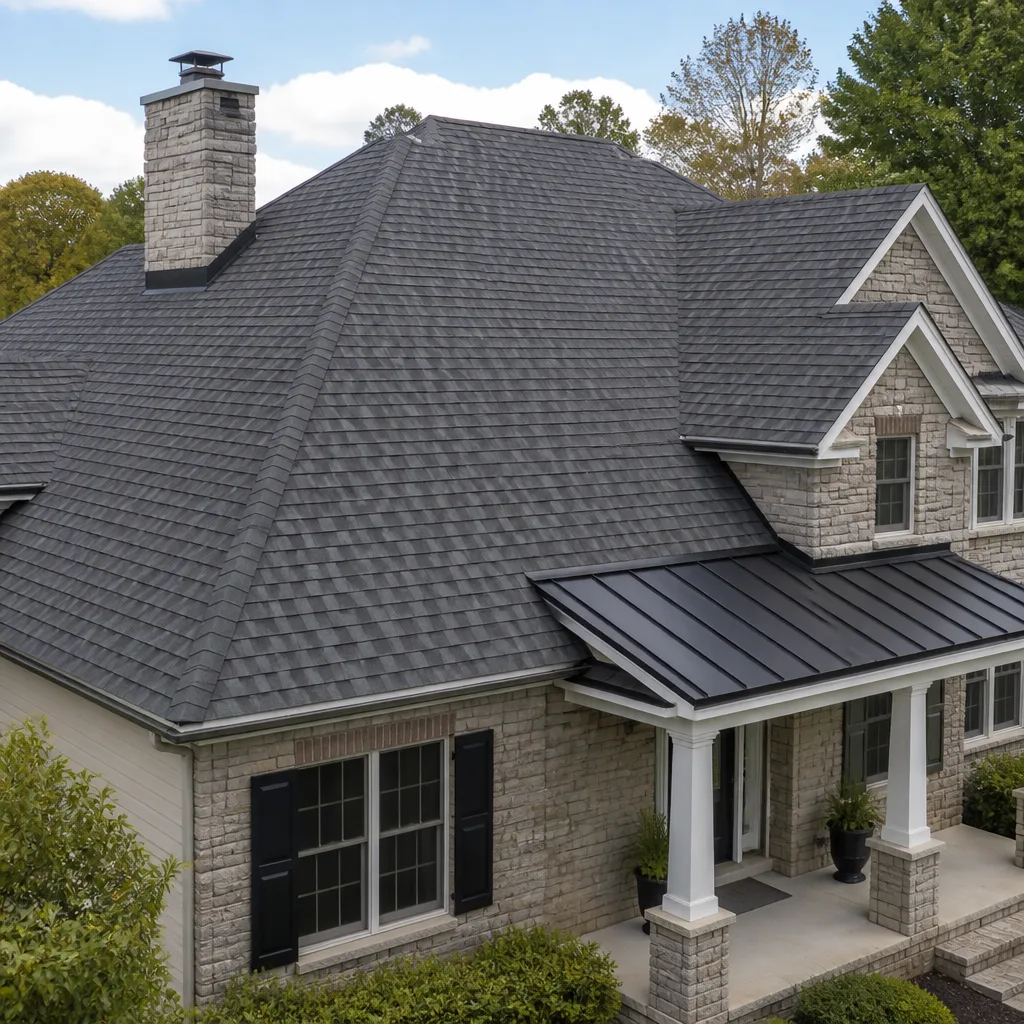
 Before
 After
After Before
 After
After Before
 After
AfterUnilock Fence Installation: The Los Angeles Owner’s Guide
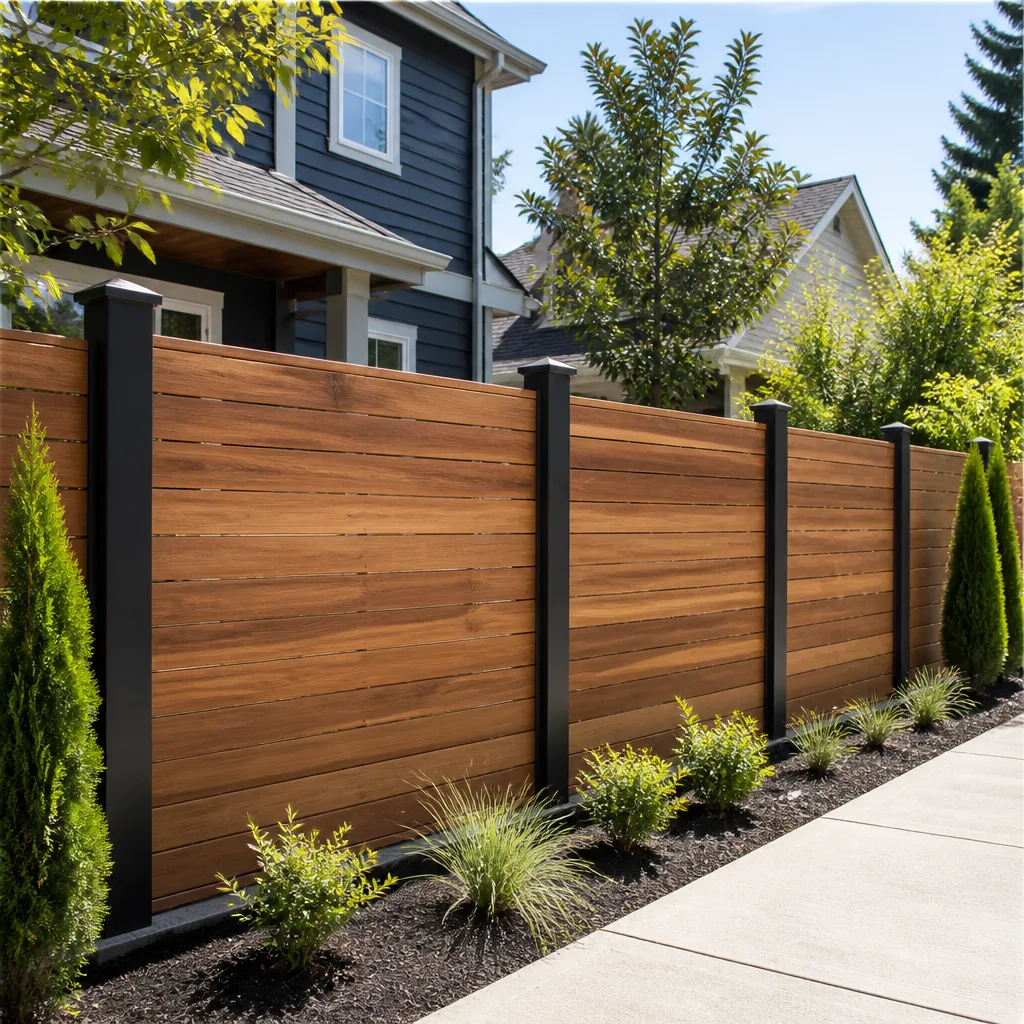
Unilock fence installation in Los Angeles typically runs $4,130 to $10,620 for a complete run, including post-setting, panel alignment, and the Unilock-specific hardware that holds everything square. We stock Unilock-compatible posts, brackets, and leveling shims on the truck, so most installs are done in a single visit. The most common way homeowners discover they need us is a leaning post after winter rains soften the soil, or a gate that drags because the post shifted and threw the hinge geometry off.
We’re an independent Los Angeles contractor, not a Unilock corporate installer. That matters because we don’t get paid to push one product line. We get paid to install it right, and if a different Unilock series actually fits your yard better, we’ll tell you that before we quote a single number.
Which Unilock Models This Applies To
Unilock’s fence and pergola line splits into a few series that share post dimensions but not always bracket spacing. The modular fence panels built for their Estate and Brussels Block retaining wall systems use a 4-inch post channel, while the U-Cara and Lineo-equipped fence runs accept a 3-inch post. Measure the post channel before ordering anything. A bracket spaced for a 4-inch channel will not seat in a 3-inch, and forcing it strips the aluminum threads the first season it flexes.
For Unilock fence posts, OEM parts are fine but pricey for what they are. Quality aftermarket brackets from Simpson Strong-Tie or equivalent powder-coated aluminum hold up just as well in Los Angeles heat, provided the alloy is 6061 or better. Cheaper cast brackets, the kind you find at big-box stores, crack within two or three years of thermal expansion along the 405 corridor where temperature swings run forty degrees in a day. We recommend OEM panels, aftermarket brackets, and stainless hardware. That combination saves about 15% from all-OEM and lasts longer.
Signs Your Unilock Fence Installation Is Failing
- Post lean greater than two degrees. This usually means the concrete footing cracked or was poured too shallow for Los Angeles’s expansive clay soils, which swell after rain and shrink in drought. Once a post passes three degrees, the panel joints bind.
- Gate drag on the latch side. A dragging gate is almost never the hinge. It’s the post base rocking in a degraded footing. Replacing the hinge plates buys a month, not a fix.
- Panel rattle in high wind. Unilock panels sit in channel brackets. When those brackets loosen, Santa Ana winds turn every panel into a sail. If you hear rattling during an October wind event, the bracket screws have walked.
- Visible rust staining at post bases. Unilock uses galvanized steel post inserts. If water pools at the base, the zinc wears and rust bleeds onto the concrete or paver surface.
- Separation between fence and adjoining retaining wall. When a fence line meets a retaining wall, differential settlement pulls them apart. The gap grows steadily, and the connection bracket is the part that bends first.
Replacement Cost & What’s Included
For a typical Los Angeles fence run of 30 to 60 linear feet, expect $4,130 to $10,620 installed. The spread depends on post count, soil condition, whether a retaining wall is involved, and whether we’re reusing existing panels or setting new Unilock panels. Every quote includes removal of failed posts and brackets, new concrete footings to Los Angeles code depth, panel re-set and leveling, and haul-away of the old material.
We don’t do the phone-quote-then-change-number routine. The price Tom Barrett puts in writing is the price on the contract. If scope changes mid-job, you get a written change order before anything moves. That’s company policy since 1998, and it’s the main reason people around Los Angeles call us instead of a national outfit for Unilock fence work. Our 90-Day Done Right Promise covers the install, not just the parts.
DIY or Call Us?
A homeowner can check bracket tightness, measure post lean with a simple level, and photograph panel gaps. That helps us quote over the phone accurately. What you shouldn’t attempt is pulling a failed post footing or re-setting posts in Los Angeles clay. The footing depth here runs 18 to 24 inches. If you pour too shallow, frost-thaw cycles that reach down through cold canyon air will heave it. If you pour without rebar, it cracks at the base where the post enters the concrete. We’ve re-done more DIY footings in the San Fernando Valley than we’ve done original installs.
Also, a post that failed once usually fails because the soil didn’t drain right. That’s a drainage grading issue, not just a concrete issue. If you don’t fix the drainage, you’ll be back in the hole in three years. We look at the whole run, not just the broken part. Call (877) 610-1318 and Tom or one of his sons will come out, look at the line, and tell you straight what it needs.
FAQs
A properly set Unilock fence with concrete footings to code lasts 25 to 35 years in Los Angeles. The panels themselves are UV-stable concrete product; the failure point is always the post footing or the bracket hardware. Poor drainage shortens that to 10 to 15. Call (877) 610-1318 and we’ll assess your specific line before you commit to anything.
Yes, in most cases we can re-set existing posts, replace brackets, and re-level panels without full replacement. Repair pricing typically lands well below the $4,130 starting point for full install. The honest answer is that if more than a third of the posts have failed, replacement usually makes more financial sense than chasing one post at a time.
A straight run under 60 linear feet is typically completed in one to two days once the footings are poured. Concrete needs time to cure before we tension the panels, so count on two visits in most cases. If a retaining wall tie-in is involved, add a day.
We carry Unilock-compatible posts, brackets, shims, stainless hardware, and concrete on our trucks when we come out for fence work. For non-Unilock items, we also stock parts for KraftMaid, Cambria, and Silestone jobs we’ve installed. If your specific Unilock panel needs ordering, we’ll tell you lead time before you sign anything.
Only if you change the scope. If we hit unexpected rot, soil collapse, or a footing problem we couldn’t see before digging, you get a written change order with the new number before we touch it. We’ll do it right the first time, or we’ll come back and make it right. No surprise invoices, ever.
Written by Tom Barrett, Owner, Barrett & Sons Construction at Barrett & Sons Construction, serving Los Angeles and nearby areas.