
Free written scope consultation - allowances, timeline, and change-order rules on paper before a single trade is scheduled
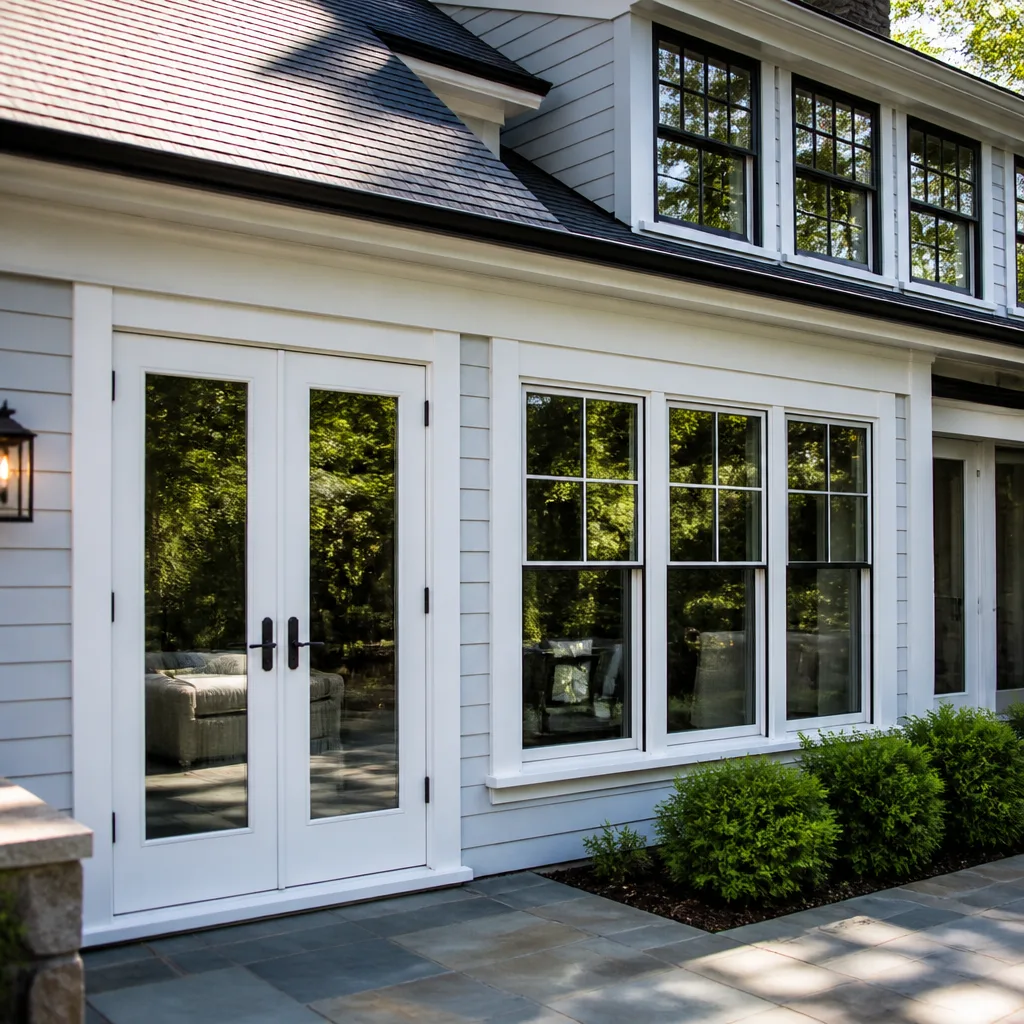
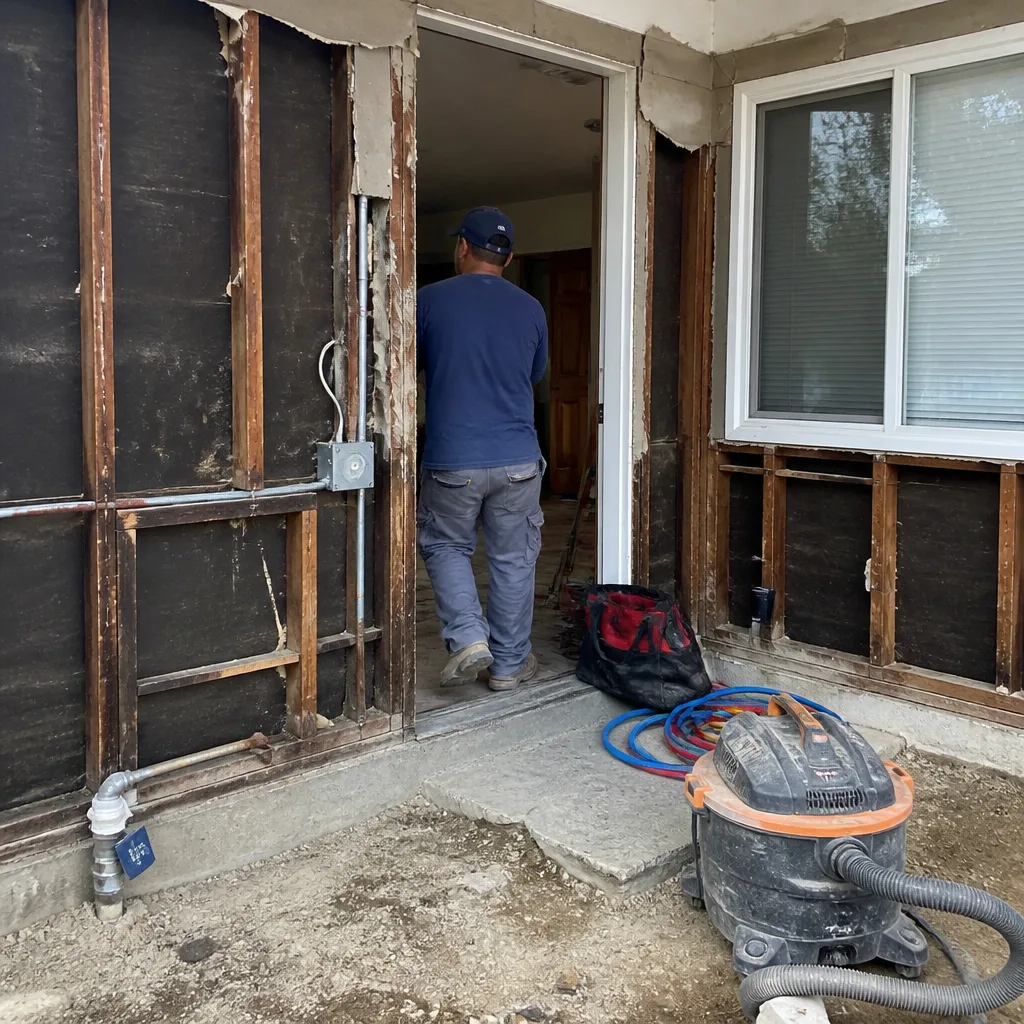 Before
 After
After Before
 After
After Before
 After
AfterBelgard Home Additions & ADU: The Los Angeles Owner’s Guide
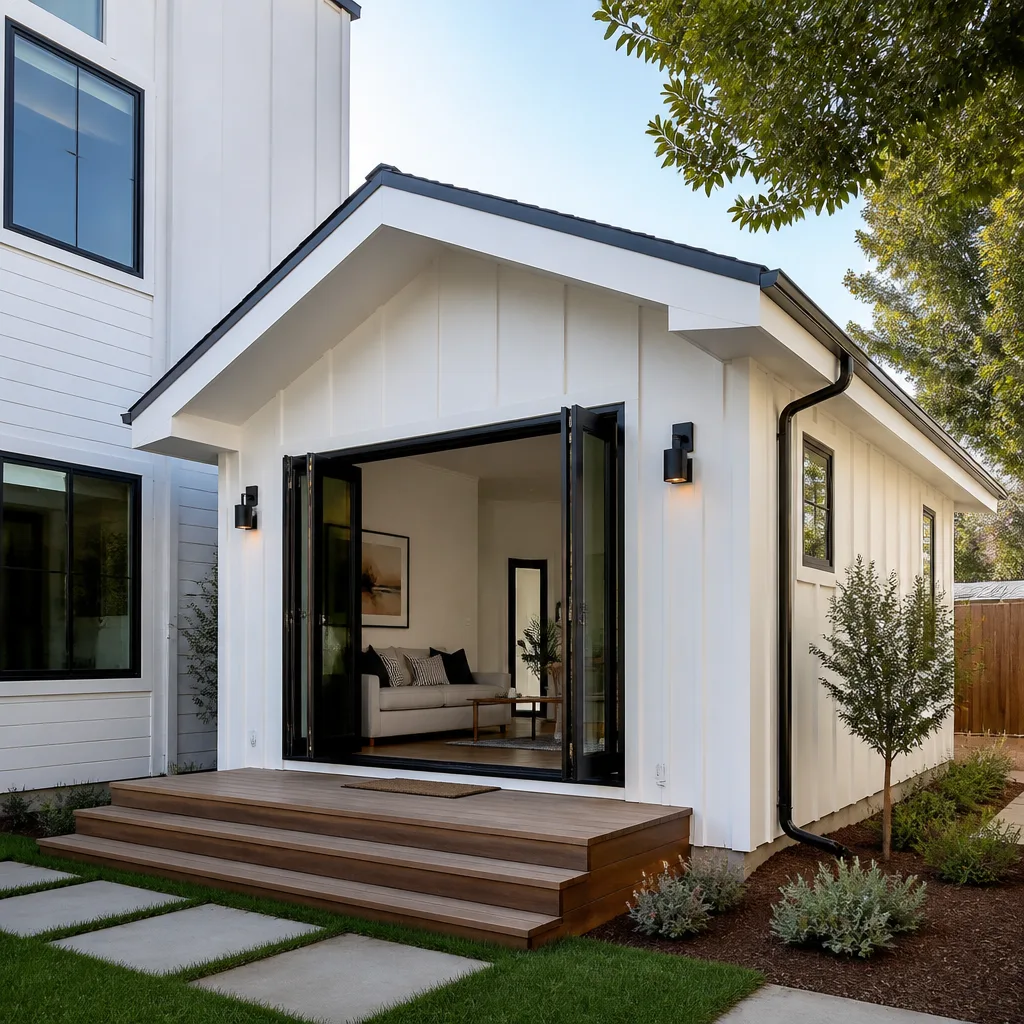
If you’re planning a Belgard home addition or ADU in Los Angeles, the installed price typically runs $53,100 to $153,400 for a home addition, and $106,200 to $259,600 for a full standalone ADU. That’s the honest range we quote around here, and it includes permits pulled, inspections signed, and every change order in writing before we touch a single wall. The way most people find us is simple: they had a contractor tell them Belgard pavers, retaining walls, or exterior finishes “don’t need permits” or that an ADU could be thrown up in six weeks for half the real price. Then the concrete starts cracking, the drainage goes wrong, or the city sends a notice. That’s when we get the call.
We’re an independent Los Angeles contractor, not affiliated with Belgard, but we’ve been installing their materials long enough to know exactly how they behave in our climate and our soil. If you’ve got a failing Belgard-related part of your addition or ADU, whether it’s a paver foundation shifting, a retaining wall leaning, or a patio slab pulling away from the structure, this page will tell you what’s wrong, what it costs to fix right, and whether you can safely do any of it yourself.
Which Belgard Models This Applies To
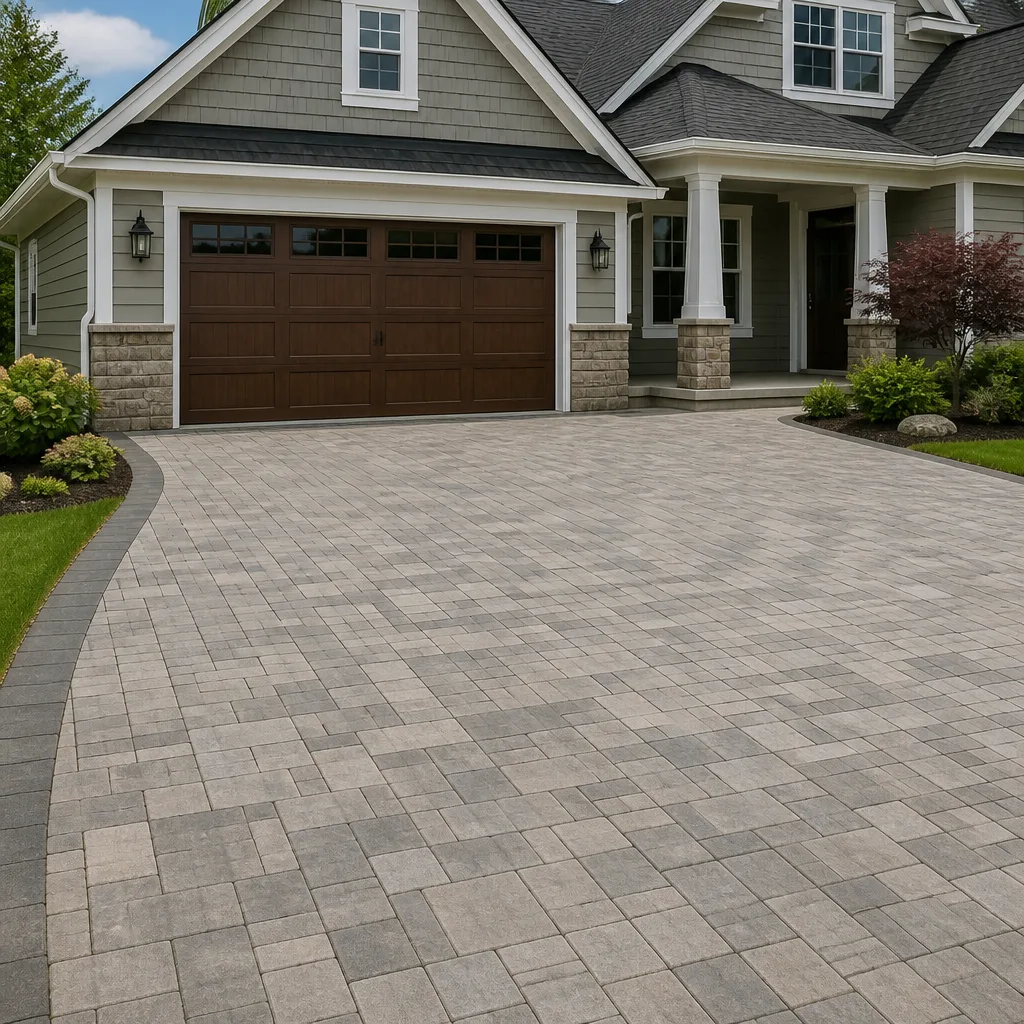
Belgard makes a wide range of hardscape products that end up in Los Angeles home additions and ADUs: paver systems (think Holland Stone, Mega-Arbel, Catalina Slate), retaining wall blocks (Diamond Pro, Celtik Wall), and permeable pavers (Aqua-Bric, Eco-Priora) required by Los Angeles stormwater rules on many new ADU projects. The compatibility gotcha we see weekly: homeowners mix Belgard’s 60mm pavers with a base spec’d for 80mm pavers, or they use a different manufacturer’s edge restraint, which shifts under Southern California’s freeze-thaw cycles in the foothills (yes, we get frost in Tujunga, Altadena, and the Santa Monica Mountains).
OEM Belgard replacement pieces are the call when you’re patching a visible area and need an exact color and texture match. Quality aftermarket equivalents work fine for subsurface components, base material, joint sand, or edge restraints, and they can save you 20 to 30 percent. But the paver itself? Match the Belgard series and the dye lot if you can. Belgard’s color variation between production runs is real, especially in their tumbled lines. If you’re unsure what you have, take a photo of a clean paver and measure the thickness in millimeters. Then call us. We’ll match it.
Signs Your Belgard Home Additions & ADU Is Failing
- Pavers sinking or dipping around the ADU foundation. This usually means the base layer wasn’t compacted right, or water is washing fines out from underneath. In Los Angeles’s clay-heavy soil, especially in the Valley, this shows up within the first two rainy seasons.
- Retaining wall leaning or bulging. Belgard’s retaining wall products rely on proper geogrid and drainage stone behind them. When a contractor skips the geogrid or uses plain dirt backfill, the wall starts leaning. We see this on hillside ADU sites in Echo Park, Mount Washington, and the Hollywood Hills all the time.
- Permeable pavers holding puddles. If water sits on top of an Aqua-Bric or Eco-Priora installation, the open-graded base underneath is clogged with silt or the installer used the wrong aggregate. Los Angeles now mandates permeable surfaces for many ADU driveways and walkways, so a clogged system can put you out of code compliance.
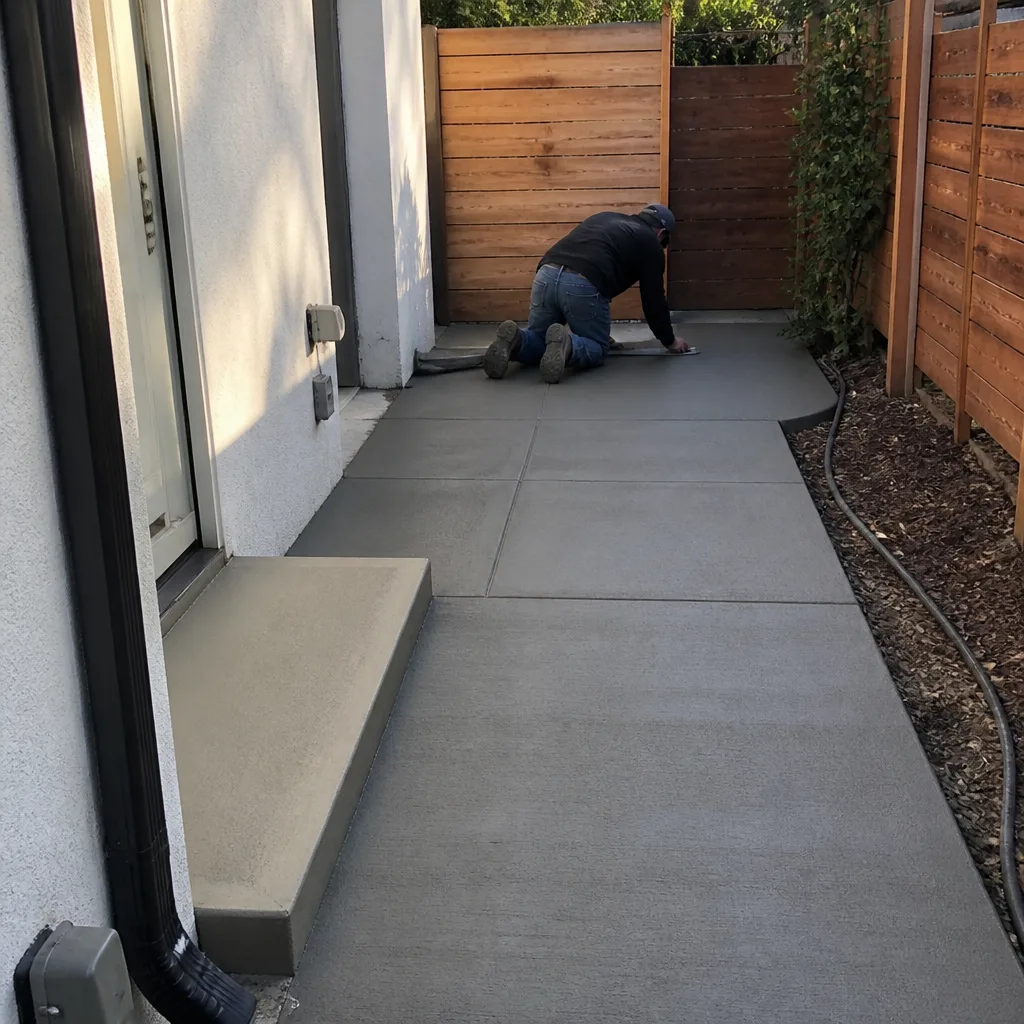
- Concrete or paver patio pulling away from the addition. That’s a frost-heave or soil-settlement signature, and it’s often paired with a missing expansion joint. Left alone, water works into the gap and starts chewing at the foundation wall.
- Belgard paver color fading unevenly or surface flaking. This is usually a sealer issue, not a paver defect. The wrong sealer traps moisture and leads to spalling. In our Los Angeles sun, an unsealed or improperly sealed paver can look ten years old in three.
Replacement Cost & What’s Included
For a failing Belgard hardscape tied to a home addition or ADU in Los Angeles, the fix isn’t a parts-only job. You’re paying for the part removal, base correction, compaction, reinstallation, and possibly a new drainage layer. Here’s what that looks like on real invoices around Los Angeles:
| Scope | Los Angeles Installed Price |
|---|---|
| Paver driveway or patio base repair and reinstallation (Belgard pavers) | $4,130-$12,980 |
| Retaining wall repair or rebuild (Belgard Diamond Pro or similar) | $3,540-$11,800 |
| Permeable paver system unclog, reset, and seal | $2,360-$7,670 |
| Full ADU hardscape package (patio, walkway, drainage, pavers) | $8,260-$25,960 |
What drives the range is depressingly simple: how deep the original base is, whether geogrid exists behind the wall, and how much excavation is needed to get to stable soil. On hillside Los Angeles lots, soil remediation adds real money. Every job we quote includes parts and labor in one written price, permits when they apply, and our 90-Day Done Right Promise in writing. If it’s not right, Tom comes back and makes it right.
DIY or Call Us?
Here’s the honest split. You can safely reset a single sunken paver at the edge of a walkway. Pull it, add a bit of bedding sand, tap it back. That’s a Saturday job. What you shouldn’t DIY is anything structural: a moving retaining wall, a foundation-adjacent paver failure, or any hardscape tied to drainage. A retaining wall holds back thousands of pounds of soil, and a wall failure on a hillside Los Angeles ADU site can put the whole structure at risk. That’s a job for someone who understands surcharge loads and drainage, not a YouTube video and a pry bar.
If water is involved, call. If the wall is leaning enough that you can fit a finger between blocks, call. We’ll come out, look at it, and give you a real diagnosis before anyone swings a hammer. Call (877) 610-1318 and we’ll set a time that works.
FAQs
Belgard pavers themselves last 25 to 50 years in Los Angeles, but the base underneath them usually fails in 5 to 15 if it wasn’t compacted correctly. Two rainy seasons in our clay soil will reveal a weak base faster than anything else. If your pavers are older and shifting, the diagnosis is usually base failure, not paver failure. Call (877) 610-1318 and we’ll tell you which it is.
It depends on how far it’s moved. If the wall is leaning less than an inch and the drainage is intact, we can often reset the top courses and add proper drainage stone. If it’s moved more than that, or if there’s no geogrid behind it, rebuilding is the honestly cheaper path, because a repair will just fail again. We’ll show you what’s behind the wall and explain the options before you spend a dollar.
A single paver reset is a same-day job. A paver patio base rebuild runs 2 to 4 days. A retaining wall rebuild on a hillside ADU site is usually 1 to 2 weeks including compaction and drainage work. We give you a schedule in writing before we start, and we stick to it. Call (877) 610-1318 for a free estimate with real dates on it.
We keep a small stock of the most common Belgard series on hand for repair work, including Holland Stone and Diamond Pro in the standard Los Angeles colorways. For exact color-lot matches on larger repairs, we order direct from Belgard’s local distribution, which adds 3 to 7 business days. We’ll tell you upfront which one your job needs. Call (877) 610-1318 and we’ll check what’s available.
Written by Tom Barrett, Owner, Barrett & Sons Construction at Barrett & Sons Construction, serving Los Angeles and nearby areas.