
Free written scope consultation - allowances, timeline, and change-order rules on paper before a single trade is scheduled
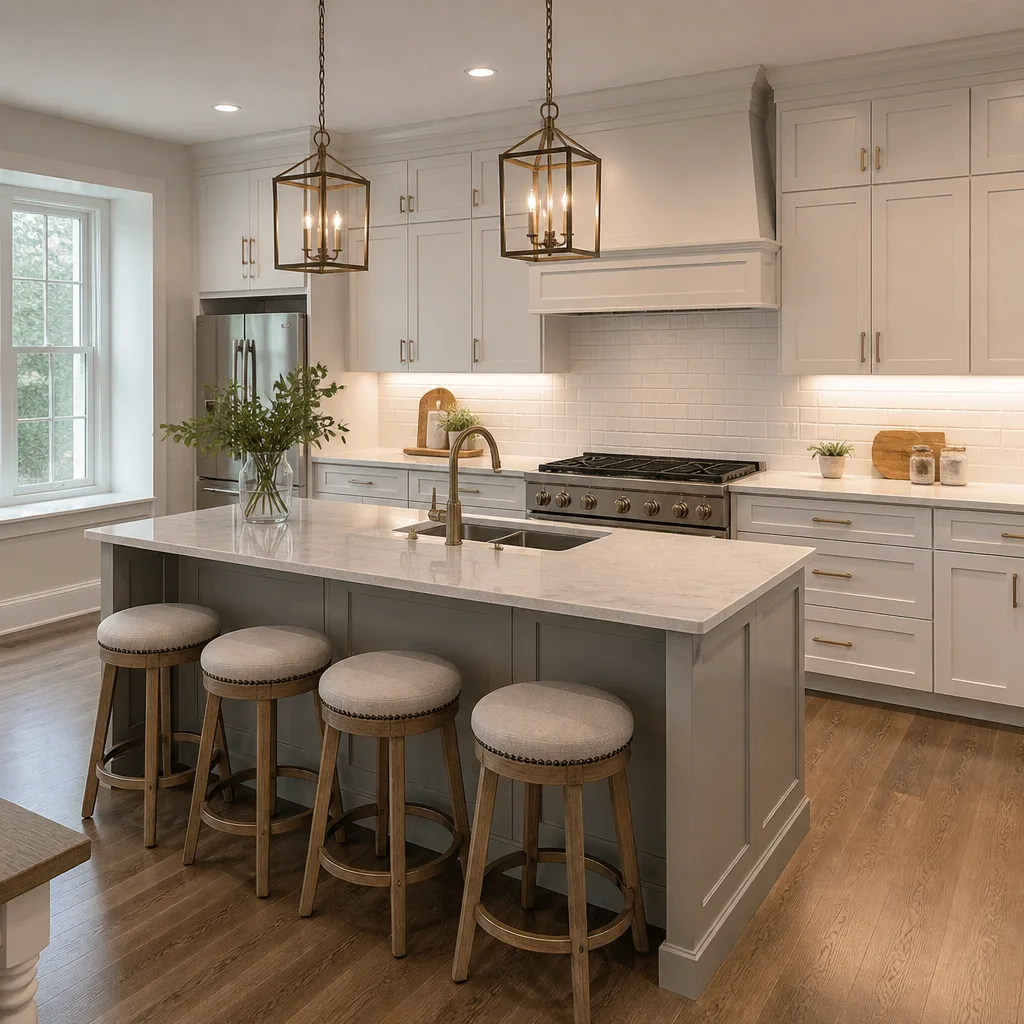
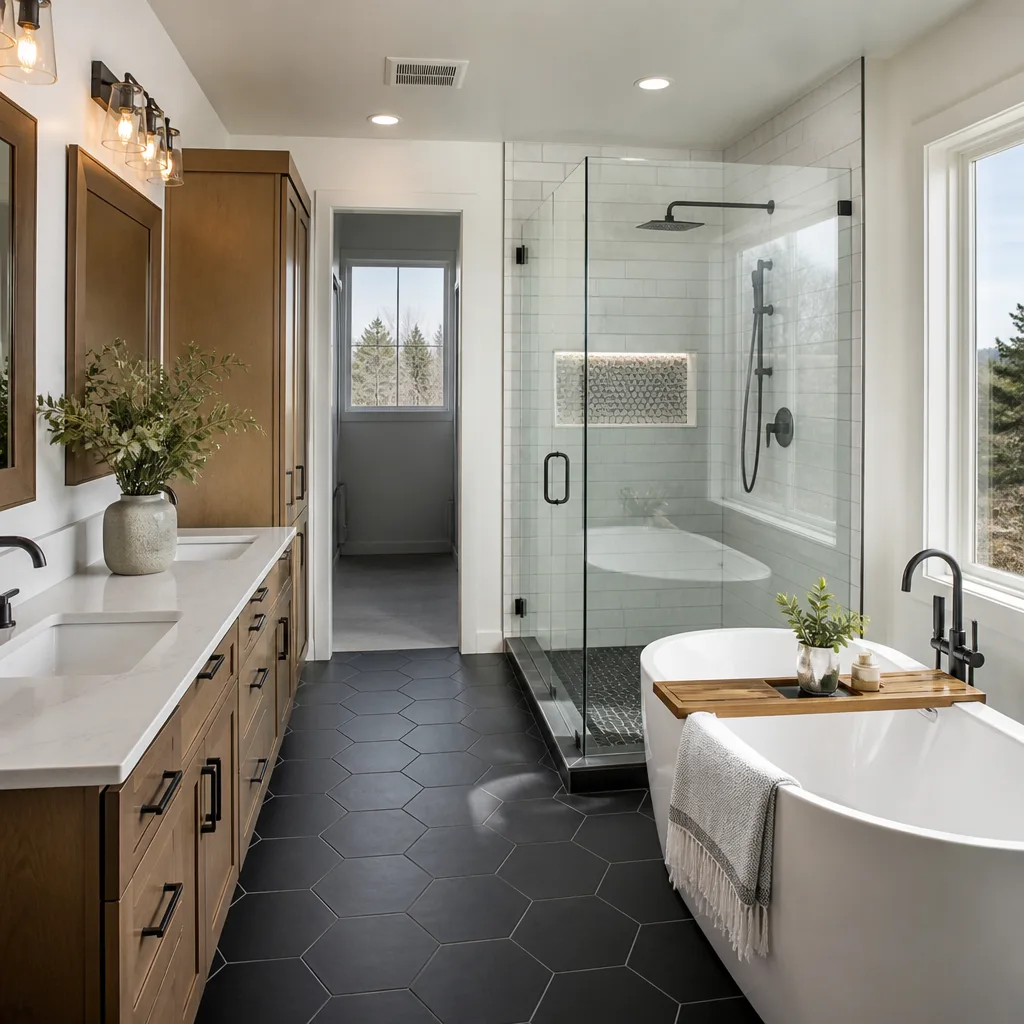
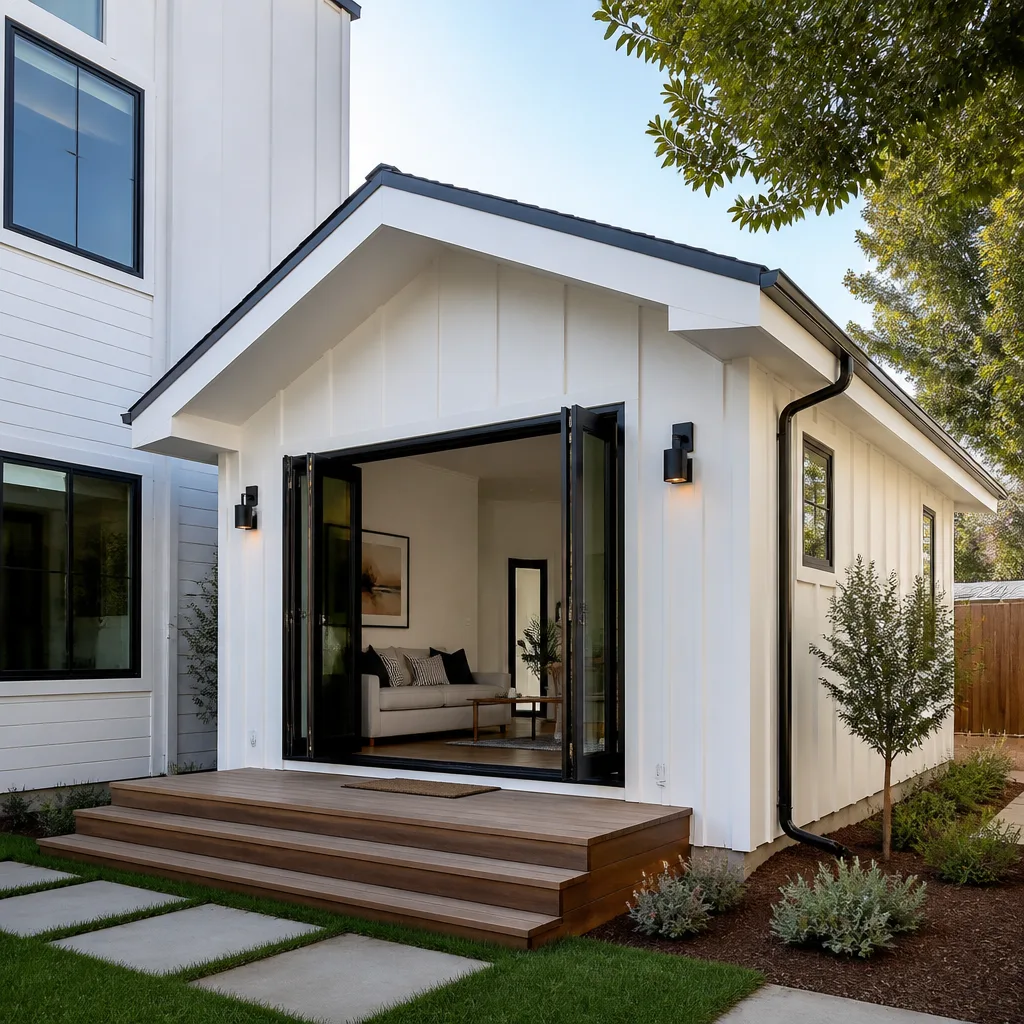
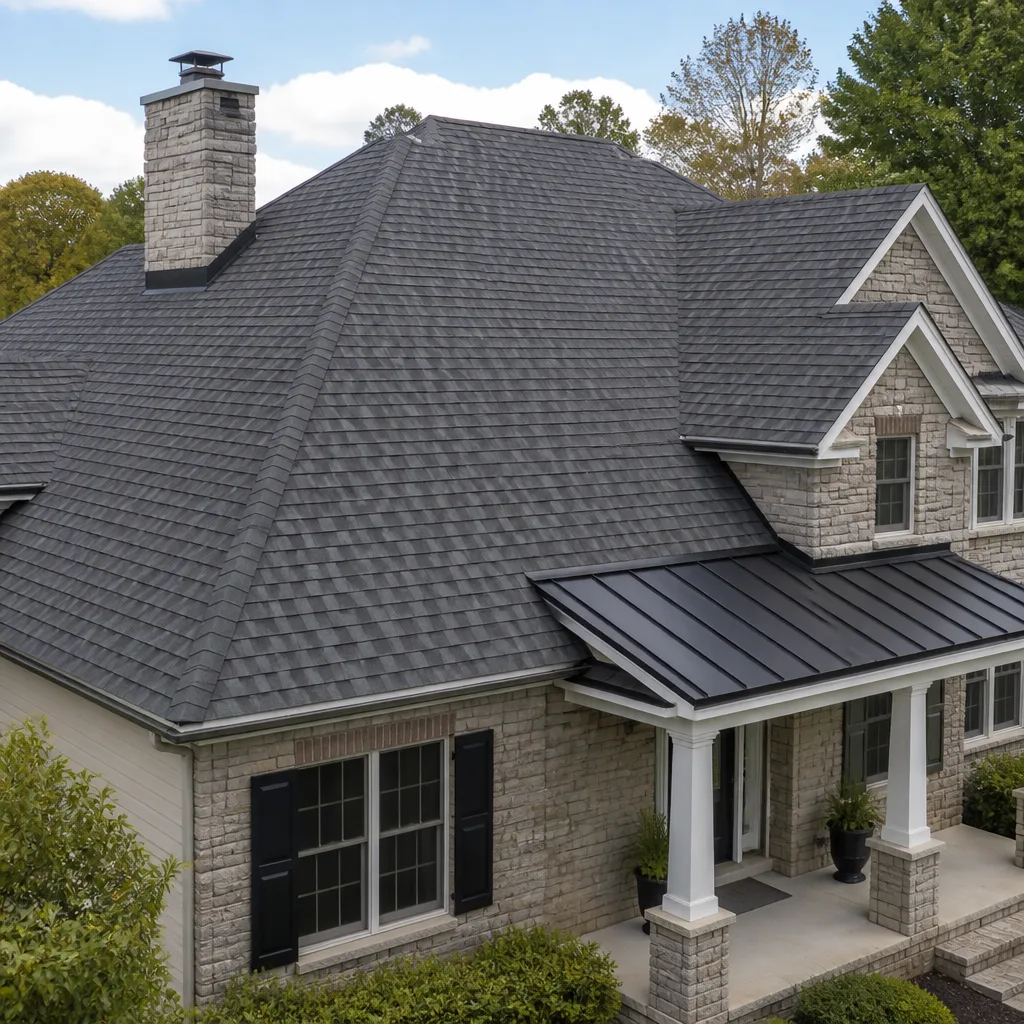
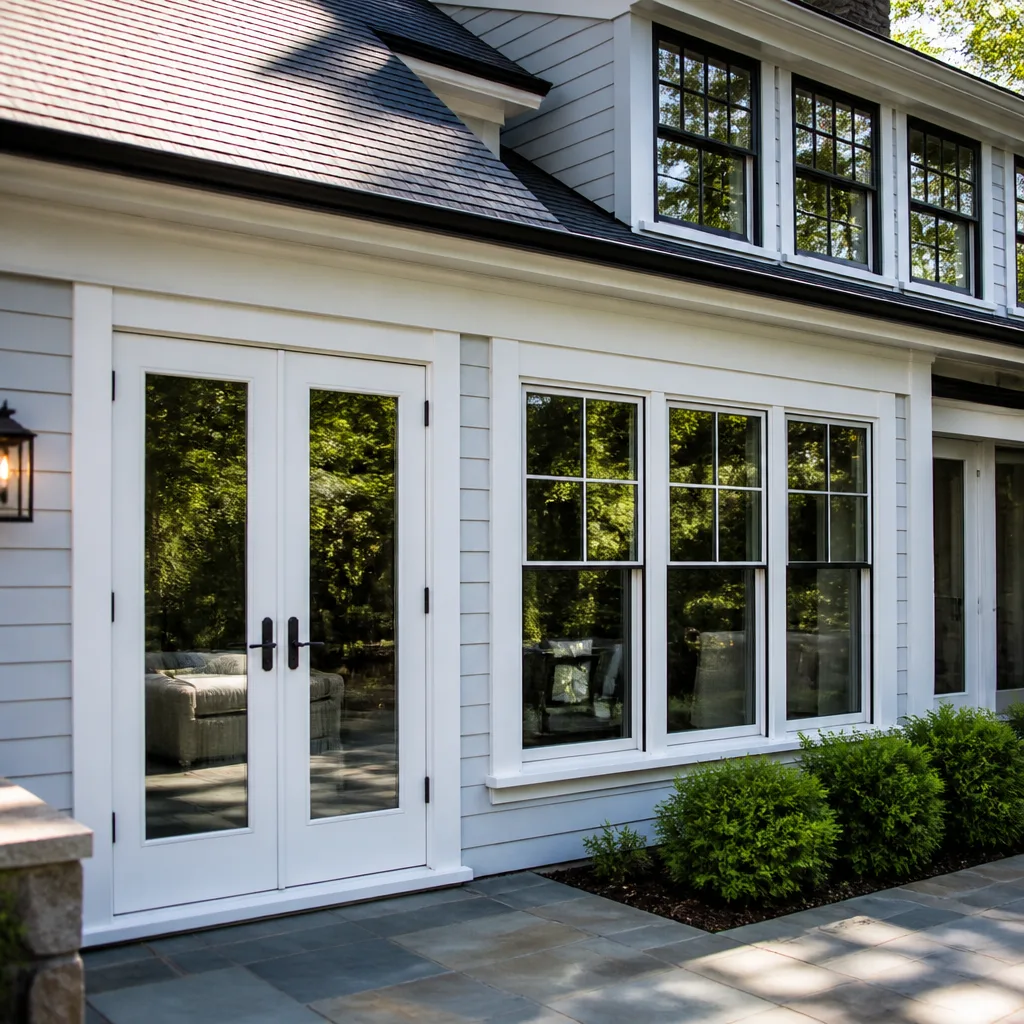
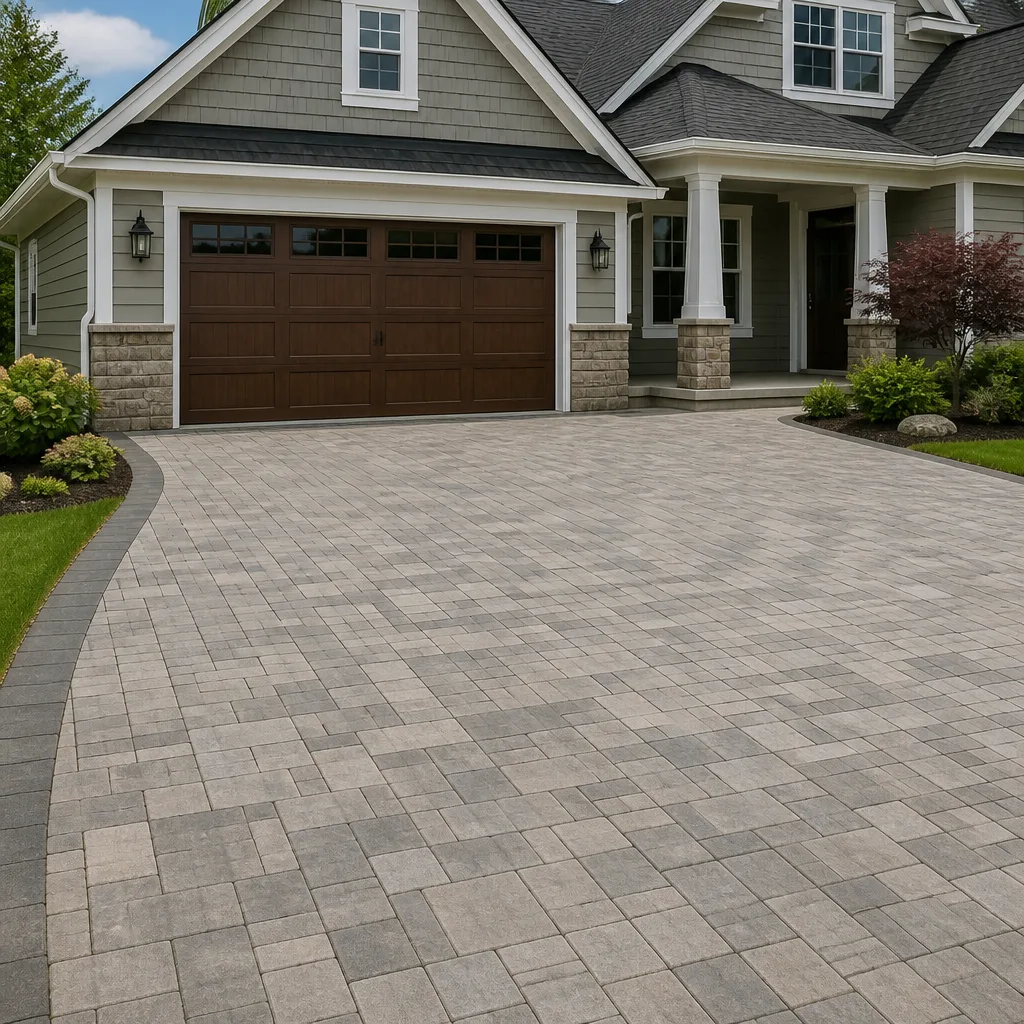
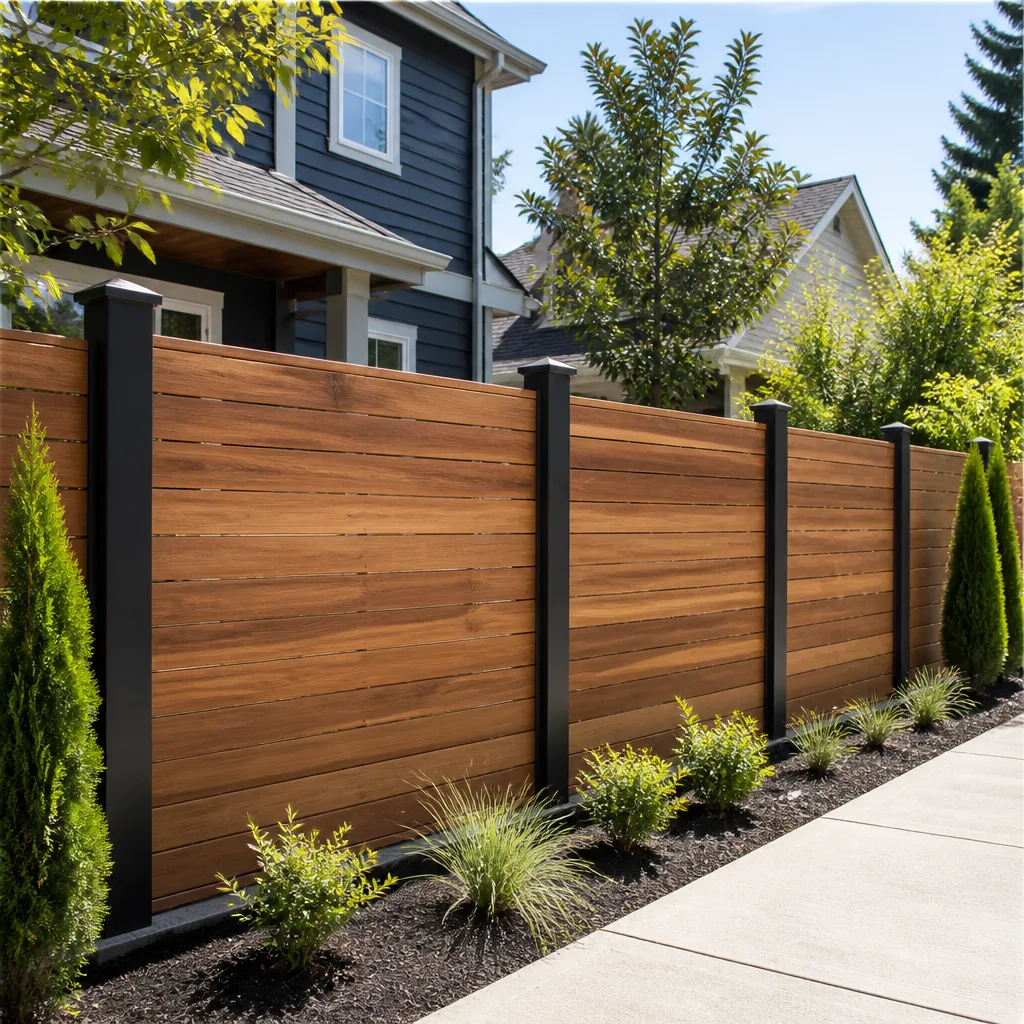
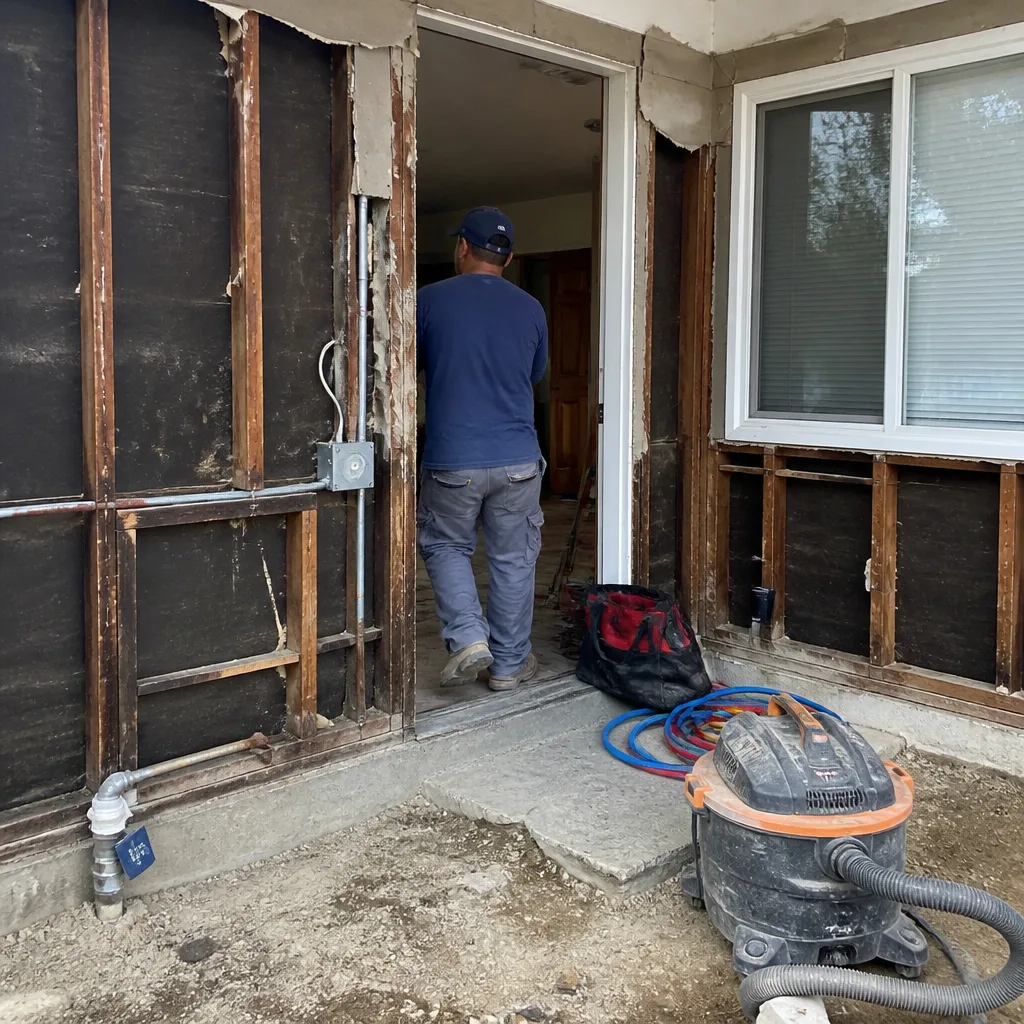 Before
 After
After Before
 After
After Before
 After
AfterAtlas Home Additions & ADU: The Los Angeles Owner’s Guide
If you own an Atlas home addition or ADU in Los Angeles and something’s failing, here’s the straight answer: we match Atlas framing, foundation, and finish components to the exact model you have, and installed work on these structures runs $53,100 to $153,400 depending on scope. Most Atlas addition failures we see are structural or water-related, not cosmetic, and they tend to surface after the first big rain or the first hot Santa Ana stretch. You’ll usually notice a door that won’t latch, a crack that reappears after patching, or a roofline that doesn’t drain the way it used to.
Barrett & Sons Construction is an independent Los Angeles contractor. We’re not tied to Atlas, and that’s honestly better for you: we match parts and materials to what your structure actually needs rather than what a single brand catalog happens to list. Tom Barrett’s name, address, and license number are published and verifiable. No mystery vans, no out-of-state call center.
Which Atlas Models This Applies To
Atlas-built additions and ADUs across Los Angeles counties generally fall into three build generations, and the parts you need depend on which one you have. The pre-2010 units were almost always stick-framed with standard 2×4 or 2×6 lumber, foundation ties bolted to existing slabs, and composition shingle roofs matching the main house. The 2010 to 2020 wave shifted heavily into prefabricated wall panels and truss systems, which means connector plates and anchor points fail differently than traditional nailed framing. The newest units, from about 2021 on, increasingly use engineered lumber and metal connectors rated for higher seismic loads, which is a Los Angeles building code reality you’ll want matched, not guessed at.
Here’s the compatibility gotcha most owners don’t know: Atlas panelized additions use a proprietary anchor bolt spacing on the sill plates, and aftermarket anchors that are off by even a quarter inch will pass inspection visually but fail under lateral load. We match measurements from the original stamped plans or pull them directly from the exposed framing. If you have an older Atlas addition, the ceiling joist spacing is sometimes 19.2 inches on center rather than the standard 16 or 24, and drywall patching around that requires cutting panels differently. Little things like that separate a matched repair from a frustrating one.
For finish components, OEM Atlas-branded materials are hit or miss these days. We stock quality equivalents from KraftMaid, Cambria, and Silestone for kitchens and baths inside these additions, and we’ll tell you plainly when an aftermarket part outlasts the original. Often it does. The structural components, though, we source to the original engineering spec. That’s not a place to save money.
Signs Your Atlas Home Additions & ADU Is Failing
- Doors that stick at the top corner or won’t latch in summer. This is nearly always settlement or thermal expansion in the addition’s framing connection to the main house. In Los Angeles we get enough temperature swing between June mornings and August afternoons that an undersized or poorly tied header will move visibly within two years. The fix is a header inspection and re-shimming, not planing the door.
- Drywall cracks that run diagonally from window and door corners. That pattern points to shear stress, not cosmetic settling. Atlas additions built before current shear wall requirements often show this within five to eight years. We open the wall, check the panel nailing schedule against the original plans, and bring it to current code before re-rocking.
- Soft spots near the roofline or around wall-to-roof intersections. Los Angeles gets about 15 inches of rain a year, but it all comes in a handful of heavy storms. Flashing details that were marginal at install fail all at once. A soft fascia or a water stain at the addition’s tie-in to the main roof is never normal. That’s water getting in and doing slow work.
- Floor bounce you didn’t notice before, especially near where the addition meets the original slab. Atlas floor systems on older units sometimes used undersized joists at the transition. Over time, termite damage or moisture cycling weakens them further. We see this regularly in Los Angeles neighborhoods with older housing stock and clay-heavy soil.
- A foundation crack near the addition’s outer corner, with or without moisture along the seam. Los Angeles sits on expansive soils in many areas, and additions are only as good as their foundation ties. A vertical hairline is usually monitoring. A crack wider than a nickel at any point, or one that steps, is a structural evaluation, not a caulk job.
Replacement Cost & What’s Included
For a full Atlas home addition in Los Angeles, figure $53,100 to $153,400 depending on square footage, foundation condition, and how much of the original structure needs correction. A partial repair, like a failed roofline tie-in or a foundation pier replacement, runs lower, usually $5,000 to $20,000 depending on access and what we find once we open it up.
What drives the range: Los Angeles seismic code requirements have tightened considerably over the last decade, so any structural repair on an Atlas addition has to meet current standards, not the standards it was built under. That’s a real cost factor, and it’s also the difference between a repair that lasts and one that fails at the next inspection. We include permitting in our written quote, and the permit inspector works for you, not for us. That’s the whole point. You’ll get a line-item price before we start, and if anything changes on the job, you’ll get a change order in writing before that work happens. The allowance that isn’t on paper is a surprise waiting for a date. Our work on Atlas additions and ADUs is backed by the 90-Day Done Right Promise: if it’s not done right, one call brings Tom Barrett back to make it right.
DIY or Call Us?
There’s a small list of things an owner can safely check on an Atlas addition or ADU. You can inspect the roof-to-wall flashing visually from a ladder, clear debris from any scuppers or drains, and watch for new cracks after heavy rain. You can document what you see and take photos before calling us, and that’s genuinely useful. What you should not do is pull apart framing, open load-bearing walls, or attempt foundation work on a structure that people sleep in. The safety risk with failed structural components is real: a compromised header or sill plate doesn’t warn you before it lets go. If you’re seeing any of the signs above, call us at (877) 610-1318 and we’ll come look. The estimate is free, and we’re local. Tom lives twenty minutes from most Los Angeles job sites, and if something’s wrong, he wants to know about it.
FAQs
With proper maintenance and no major seismic events, a well-built Atlas addition should last 50 years or more, but specific components like roof flashing, door headers, and foundation ties often need attention inside 15 to 25 years. Los Angeles weather, especially the rain-then-heat cycle, wears flashing and exterior seals faster than the framing itself. Call (877) 610-1318 if you’re seeing signs of wear, and we’ll tell you honestly what needs work now and what can wait.
In most cases, yes, and that’s usually the right call. We repair failed connectors, re-flash roofline transitions, and replace damaged framing on Atlas additions regularly without rebuilding the whole structure. A full rebuild only makes sense when the foundation has failed or the original framing was badly undersized. We’ll show you exactly what we found and quote both options if it’s close.
A typical roofline tie-in or door header repair on an Atlas addition runs two to five working days, and larger foundation corrections can take one to three weeks in Los Angeles. We’ll give you a written timeline with the estimate, and unlike companies that vanish after the quote, we answer the phone when you call to ask how it’s going. Reach us at (877) 610-1318 for a specific timeline on your project.
We keep common structural connectors, anchor bolts, flashing materials, and framing lumber on hand for Atlas additions, and we source engineered components to the original spec within days. Finish materials from KraftMaid, Cambria, and Silestone are available quickly through our local Los Angeles suppliers. When you call (877) 610-1318 with your model details, we’ll tell you what we can start on immediately and what needs to be ordered.
We’ll do it right the first time, or we’ll come back and make it right. That’s the promise, in writing, on every job. If you own an Atlas addition or ADU in Los Angeles and something doesn’t look or feel right, call Barrett & Sons Construction at (877) 610-1318 for a free estimate. Tom Barrett grew up in the San Fernando Valley and learned framing at Los Angeles Trade-Technical College, and he’s been building and fixing homes across this city for the better part of two decades. He’ll show up when he says he will, look you in the eye, and tell you what’s really going on with your structure.
Written by Tom Barrett, Owner, Barrett & Sons Construction at Barrett & Sons Construction, serving Los Angeles and nearby areas.