
Free written scope consultation - allowances, timeline, and change-order rules on paper before a single trade is scheduled
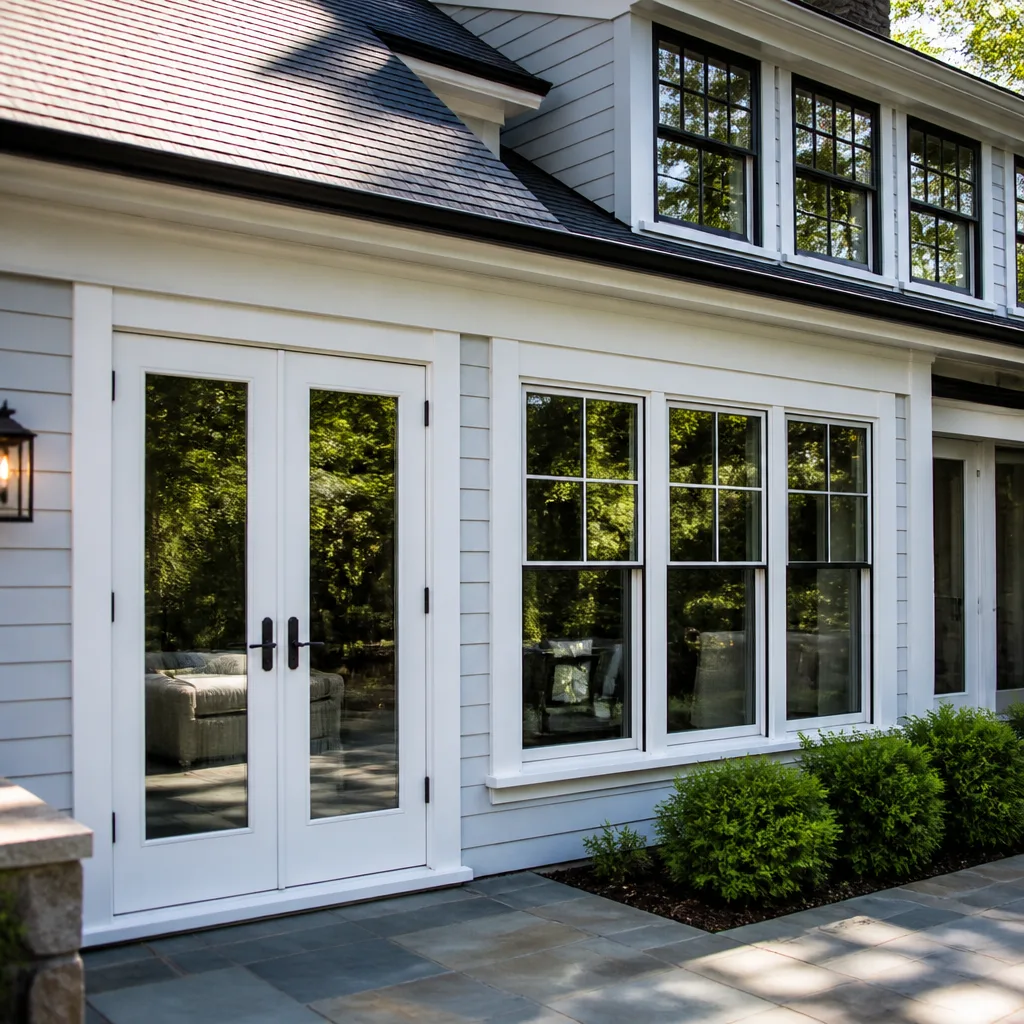
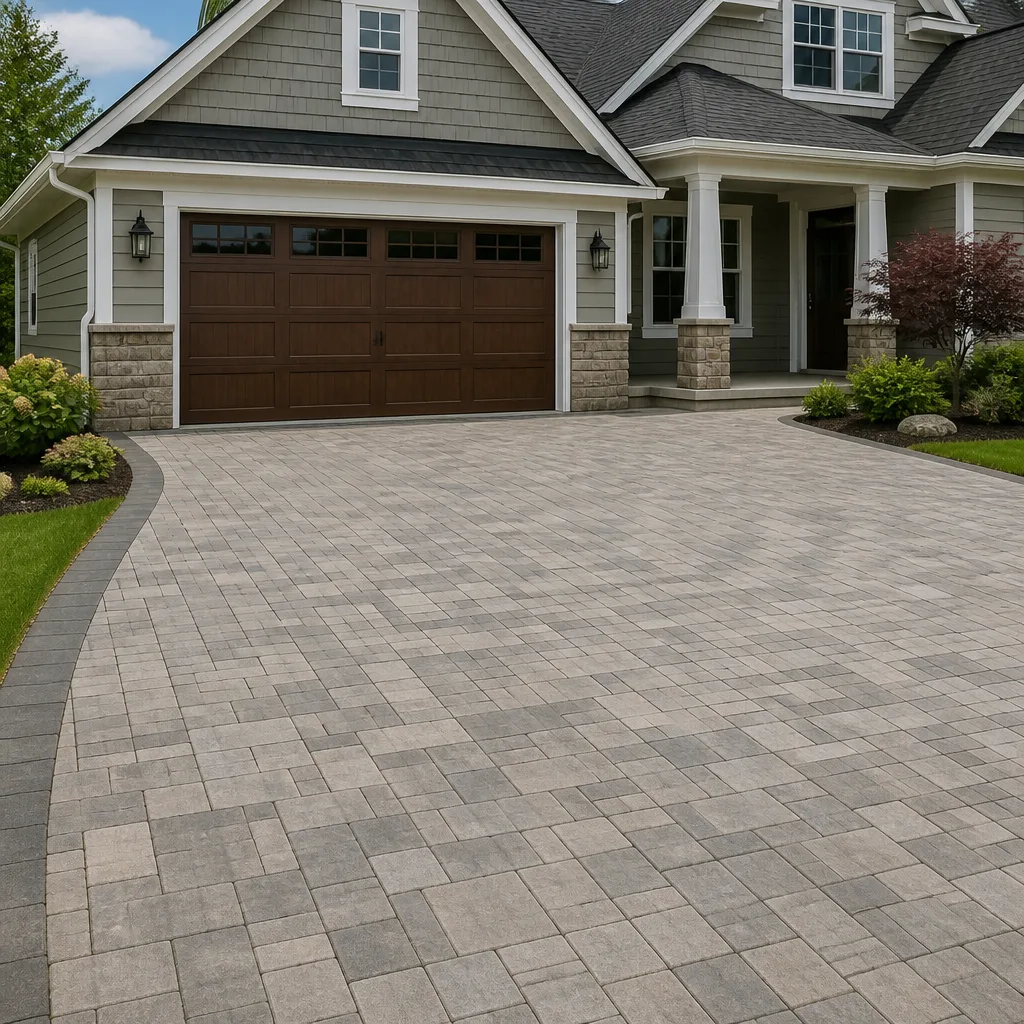
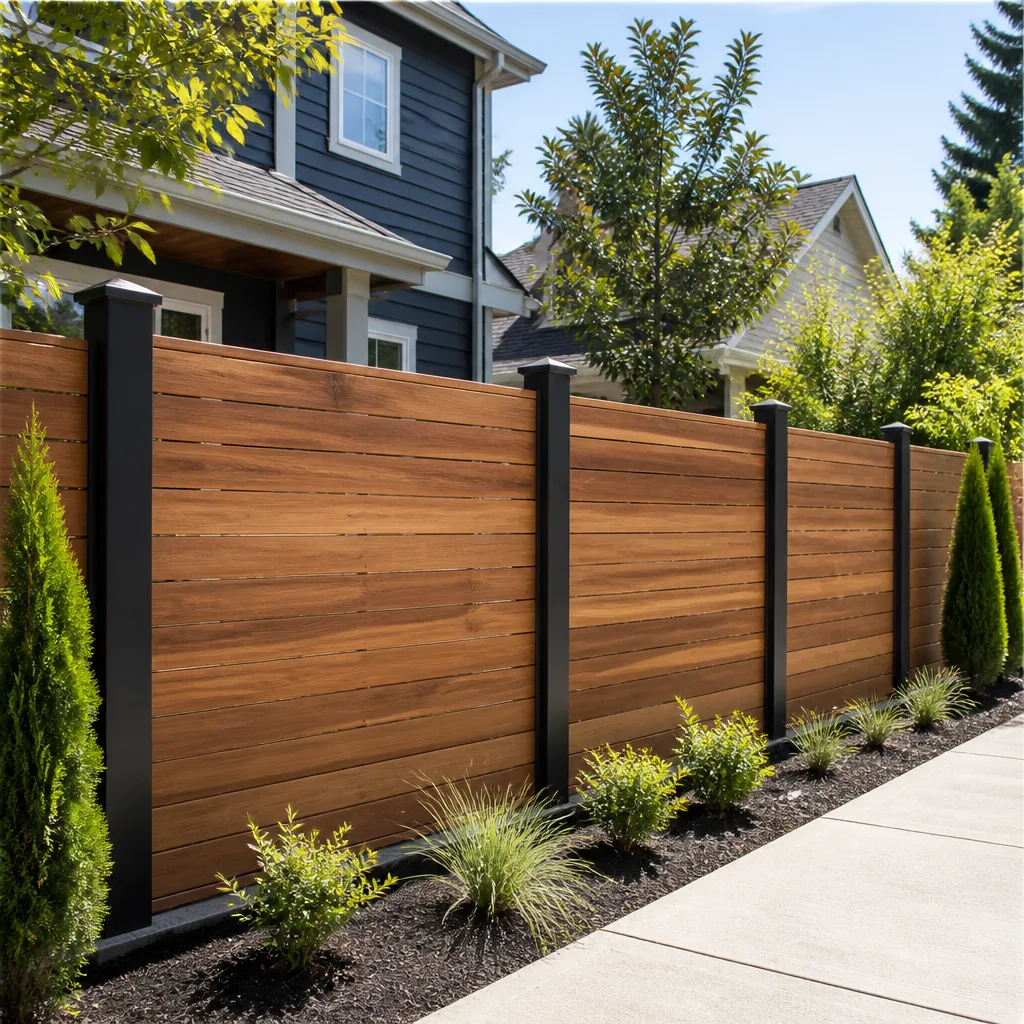
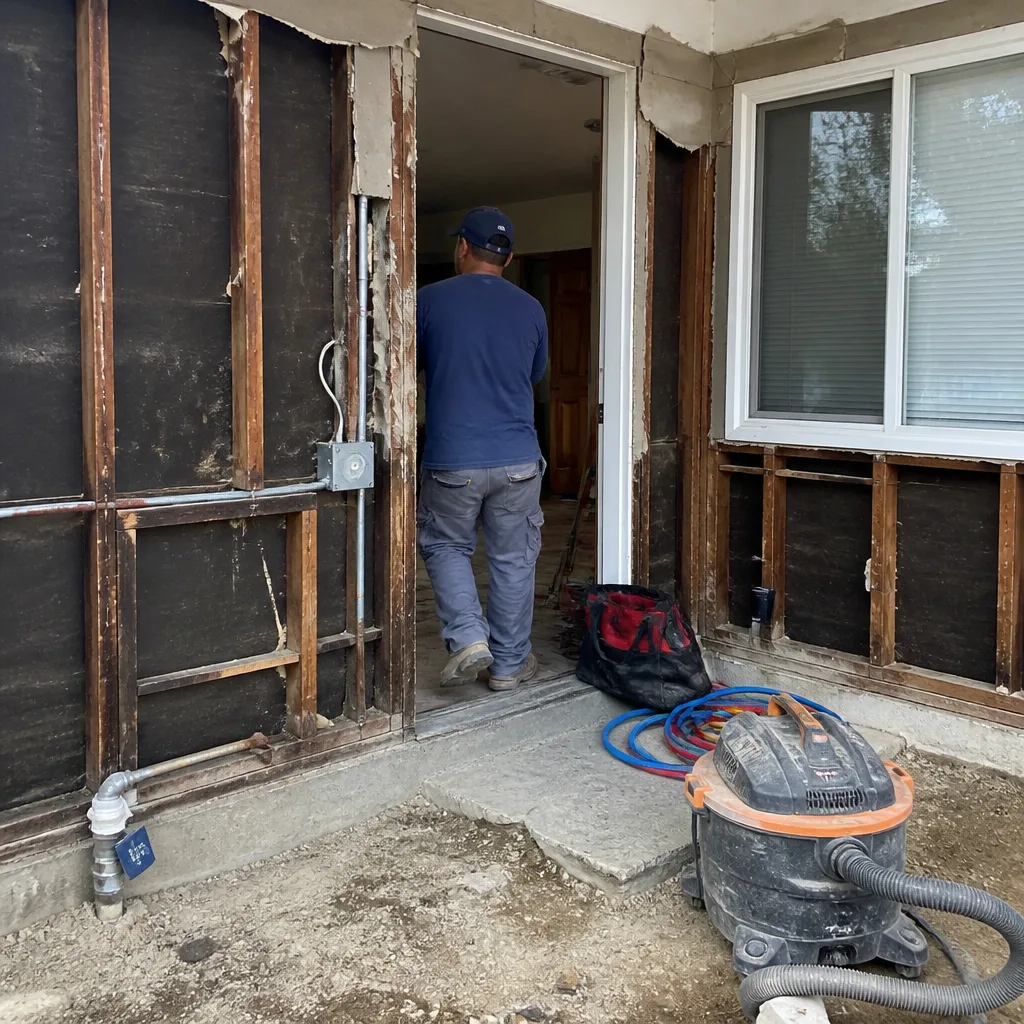 Before
 After
After Before
 After
After Before
 After
AfterJames Hardie Home Additions & ADU: The Los Angeles Owner’s Guide
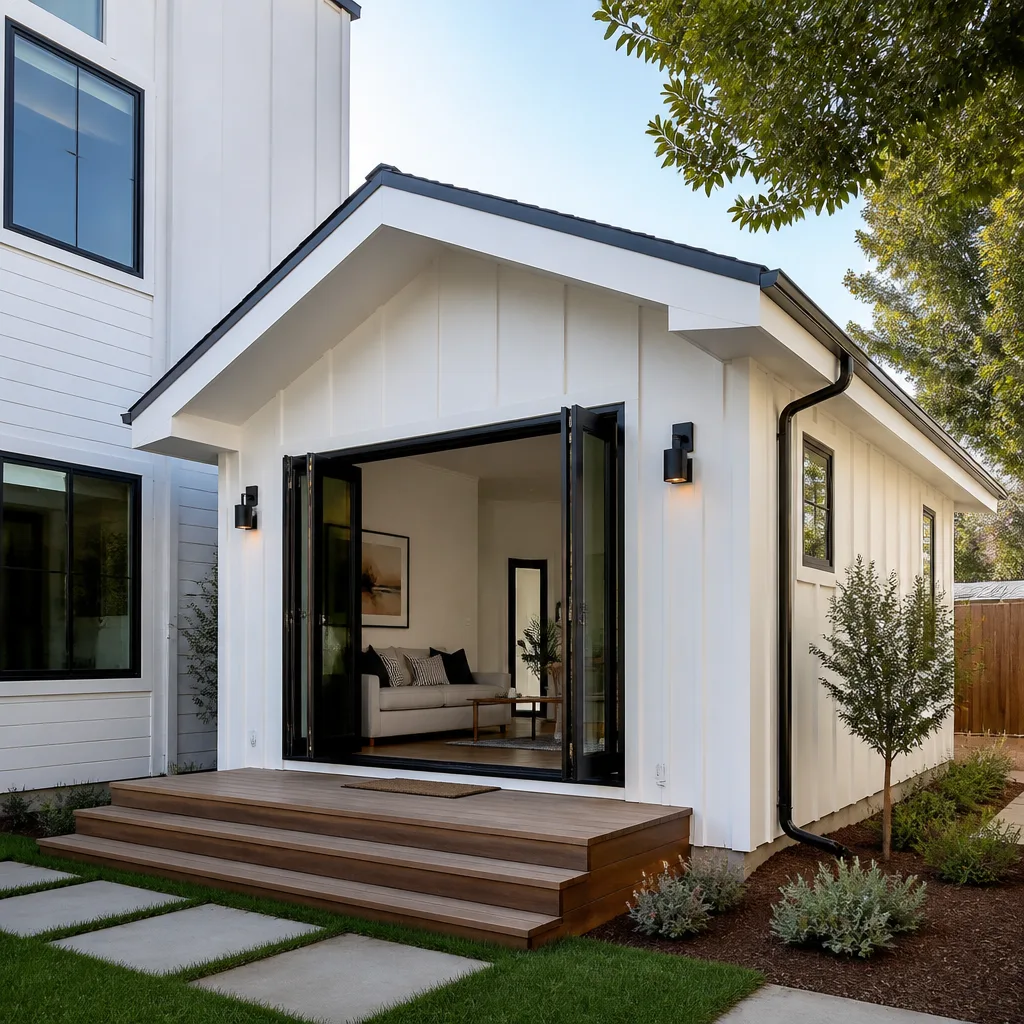
If you’re planning a home addition or ADU in Los Angeles and you want James Hardie siding, trim, or backer board on it, the installed cost typically runs $53,100 to $153,400 depending on square footage, foundation work, and whether you’re building up or out. We stock James Hardie-compatible materials and install them on additions and ADUs across Los Angeles County, from the Valley down to the South Bay. Most owners call us because they’ve got a Hardie product that’s cracking, warping, or pulling away at the seams, and they want to know if the problem is the material, the install, or the wall behind it.
Here’s what we see most often: HardiePlank lap siding that was face-nailed too close to the edge starts to crack at the corners within a few years. HardieBacker in a shower that wasn’t sealed correctly wicks water and turns soft. And trim boards that were butt-jointed without the right gap fill swell and push apart in our wet winters. None of that means the product failed. Most of the time, it means the last crew cut a corner that James Hardie’s install specs specifically warn against.
Which James Hardie Models This Applies To
We work with the full James Hardie line on additions and ADUs: HardiePlank lap siding (5/16 in. thick, available in 4×8 and 4×10 sheets and individual planks), HardiePanel vertical siding, HardieTrim boards (4/4 and 5/4 thickness), HardieSoffit, and HardieBacker cement board in 1/4 in. and 1/2 in. for tile work. The key compatibility gotcha: HardiePlank lap siding requires a minimum 1-1/4 in. overlap between courses, and in Los Angeles coastal zones within 3,000 feet of salt water, James Hardie specifies stainless steel fasteners, not standard galvanized. We see galvanized nails on ocean-adjacent jobs all the time, and that’s exactly the kind of thing that voids the warranty and rusts out in five to seven years.
OEM versus aftermarket: for siding and trim, there is no real aftermarket equivalent that matches Hardie’s fiber cement composition. What you’ll find instead are off-brand cement boards and generic vinyl trims that look close but don’t carry the same wind-load ratings or fire resistance. For fasteners, flashing, and joint sealants, we use the products Hardie’s install specs call for: 6d or 8d corrosion-resistant nails, Geocel or OSI sealant at butt joints, and proper flashing tape at window and door openings. The material matters less than who installs it, but the wrong material installed well still fails early.
Signs Your James Hardie Home Additions & ADU Is Failing
- Cracking at board ends or corners. This usually means the siding was face-nailed too close to the edge (Hardie requires nails no closer than 3/4 in. from the board edge) or the framing behind it is moving. In Los Angeles, clay soil expansion and contraction from our wet-dry cycles puts real stress on board ends.
- Swollen, soft, or crumbling board edges. HardieBacker and siding that wick water will swell and start to delaminate. This is almost always a flashing or sealing failure, not a material defect. Once water gets behind the board, it holds against the wall and the problem accelerates.
- Gaps opening at butt joints. James Hardie requires a 1/8 in. gap at butt joints filled with a specific sealant, then the joint is painted. If the installer butted boards tight, thermal expansion pushes them apart and you get visible cracks that let water straight into the wall cavity.
- Rust streaks running down from fasteners. That’s the telltale sign of galvanized nails in a corrosive zone, or face nails that were driven too deep and exposed the nail head. In Los Angeles neighborhoods within a few miles of the coast, we see this within four to six years of a bad install.
- Paint peeling in isolated patches, not uniformly. Hardie products are factory primed, and when they’re installed correctly they hold paint for a long time. Patchy peeling usually means water is trapped behind the board or seeping through an unsealed joint, pushing moisture out through the finish.
Replacement Cost & What’s Included
For a James Hardie home addition or ADU in Los Angeles, you’re looking at $53,100 to $153,400 all-in. The spread comes down to size (a 400 sq ft ADU costs far less than a 1,200 sq ft addition), foundation type (grade-level slab is cheaper than pier-and-post), and how much of the existing structure ties into the new work. If you’re just replacing failed Hardie siding or trim on an existing addition, the job drops to $4,130 to $12,980 depending on square footage and how much rotten framing we uncover underneath.
Every estimate we write includes materials, labor, debris removal, permits pulled, and inspections signed. You’ll get a line-by-line quote with the Hardie products named, not a lump sum. If we open a wall and find framing damage from years of water intrusion, you get a written change order before we touch it. No surprise invoice at the end. Tom Barrett’s name goes on every contract, and the 90-Day Done Right Promise goes with it: if it’s not done right, one call brings us back.
DIY or Call Us?
You can safely check a few things yourself: run your hand along board edges for soft spots, look for gaps at joints, and check whether fasteners are flush or sticking out. What you shouldn’t DIY is pulling off failed Hardie siding or backer board to see what’s behind it. You’ll find water damage, mold, or rotted framing that changes the scope entirely, and cutting into a load-bearing wall without knowing what you’re looking at is how small patches become structural problems.
Siding and trim replacement on a single wall is a weekend job for a homeowner who knows their way around a nail gun and a level. A full addition or ADU with Hardie cladding is not. If you’re not sure which category you’re in, call (877) 610-1318 and describe what you’re seeing. We’ll tell you straight whether it’s worth a service call, and if we come out, there’s no trip charge inside the county.
FAQs
James Hardie siding and trim installed to spec in Los Angeles will last 30 to 50 years before the material itself degrades, though the paint on it needs redoing every 10 to 15 years depending on sun exposure. Coastal properties within salt-spray distance can see faster fastener corrosion and require the stainless steel fasteners Hardie specifies for those zones.
Yes, if the damage is isolated to a few boards and the water intrusion hasn’t reached the framing behind them, we can pull and replace individual HardiePlank boards and re-seal the joints without a full re-clad. If there’s rot behind the board, the repair becomes a teardown of that wall section, which we’ll scope in writing before any further work happens. Call (877) 610-1318 for an exact quote, and the estimate is free.
A single wall of HardiePlank replacement in Los Angeles usually takes one to two days including paint touch-up, while a full addition or ADU cladding job runs two to four weeks depending on size and weather. The drying time for sealants and paint between steps is usually what stretches the schedule, not the labor itself.
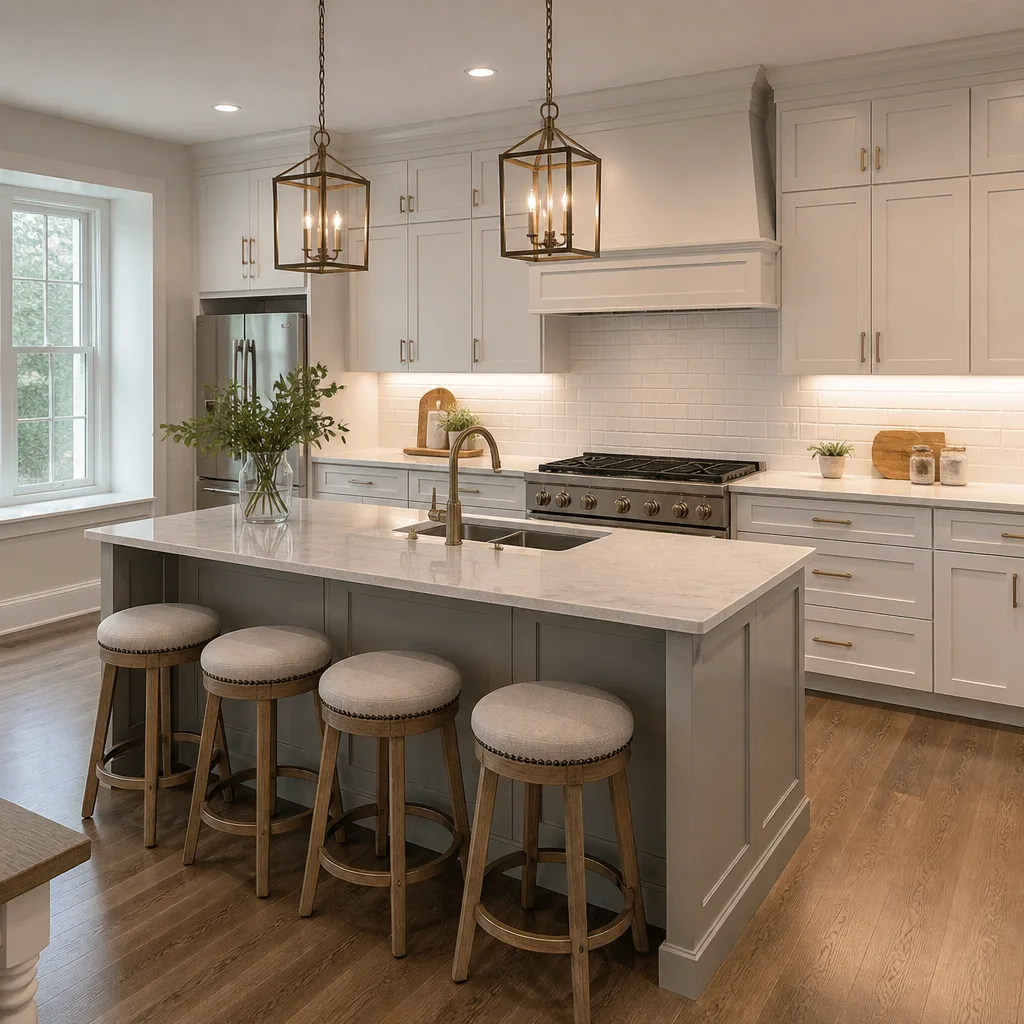
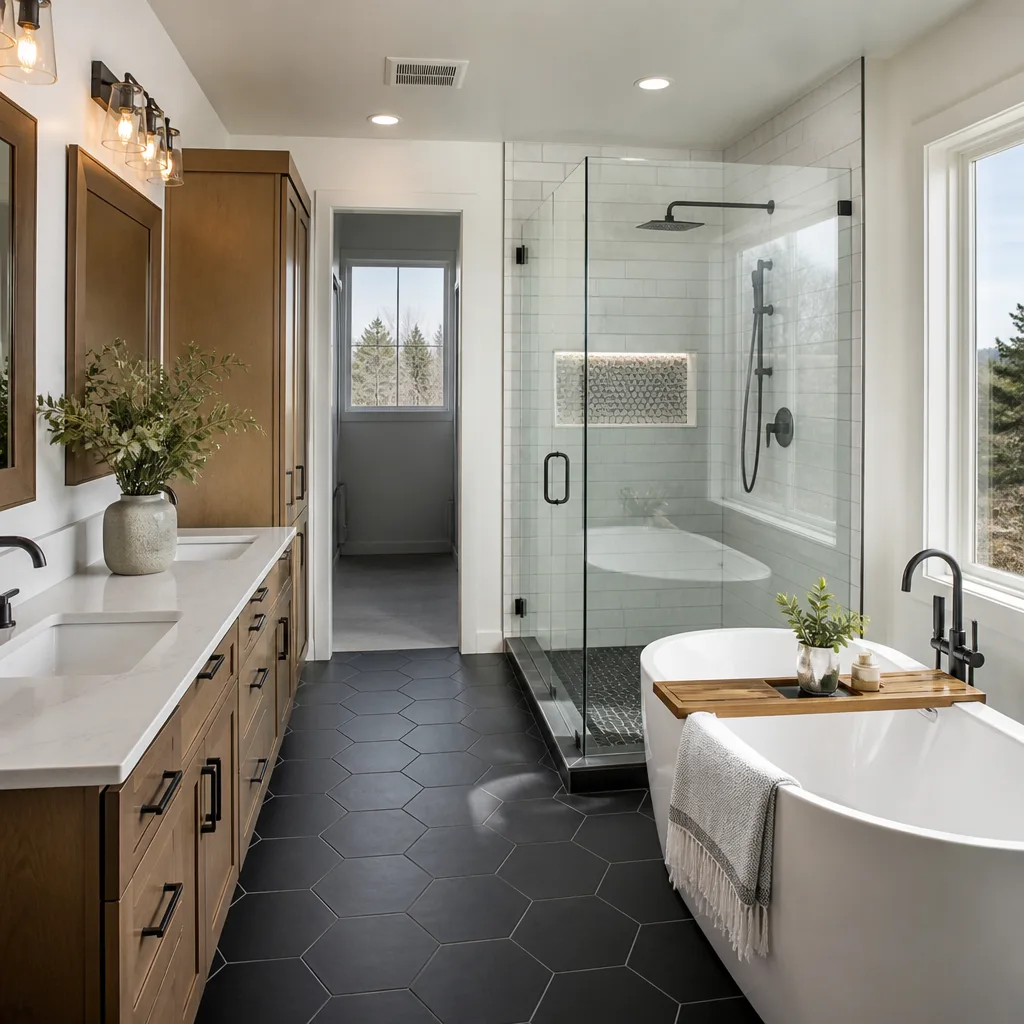
We keep common HardiePlank profiles, HardieTrim boards, HardieBacker, flashing, and the right fasteners on hand for most Los Angeles service calls, and anything unusual we order direct from our local supplier within a day or two. We also carry KraftMaid, Cambria, and Silestone materials for kitchen and bath work on additions and ADUs. For an exact lead time on a part, call (877) 610-1318 and ask what we can match to your existing siding or trim.
If you’ve got a James Hardie addition or ADU that’s showing cracks, gaps, or water stains, don’t let it ride through another Los Angeles winter. Call Barrett & Sons Construction at (877) 610-1318 for a free estimate. We’ll come out, look at what you’ve got, and tell you exactly what it’ll cost to make it right. No pressure, no phone-tag, no number you can’t verify. We’ll do it right the first time, or we’ll come back and make it right.
Written by Tom Barrett, Owner, Barrett & Sons Construction at Barrett & Sons Construction, serving Los Angeles and nearby areas.