
Free written scope consultation - allowances, timeline, and change-order rules on paper before a single trade is scheduled
 Before
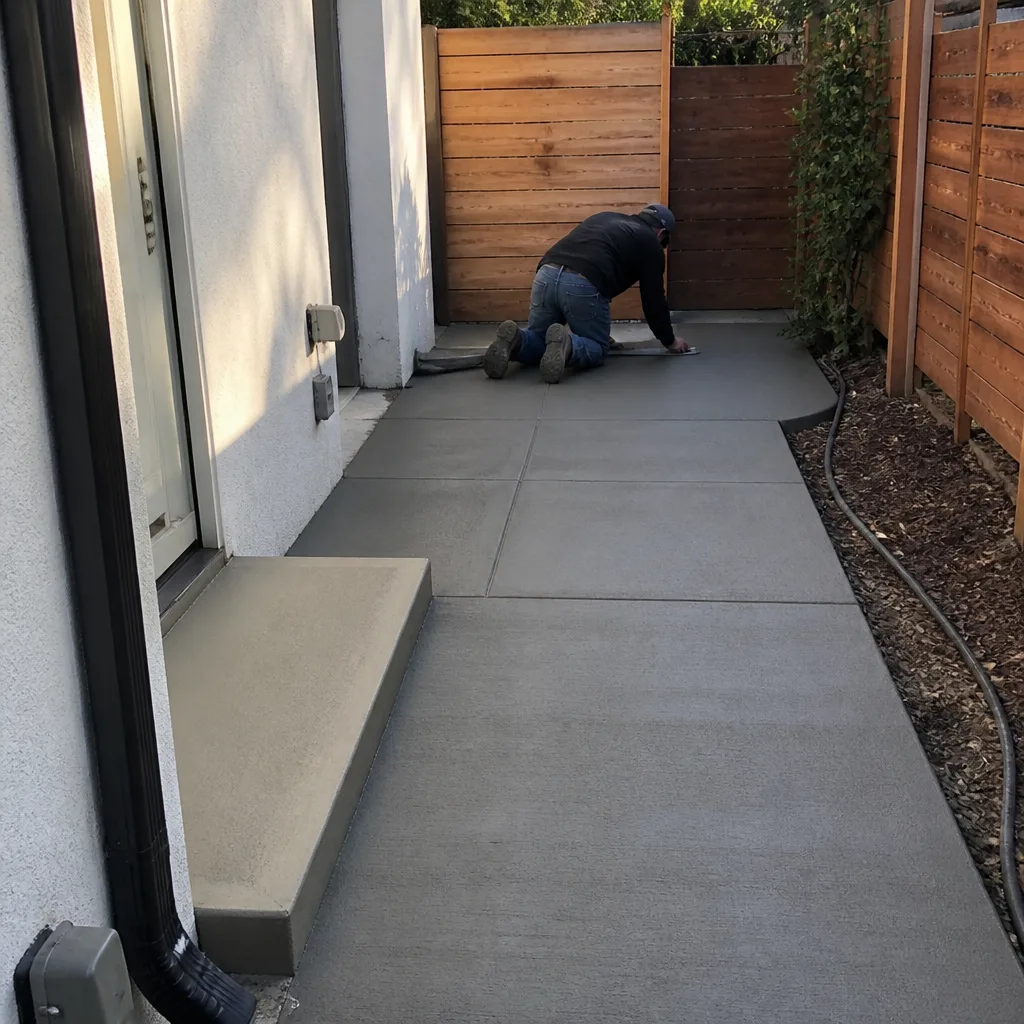 After
After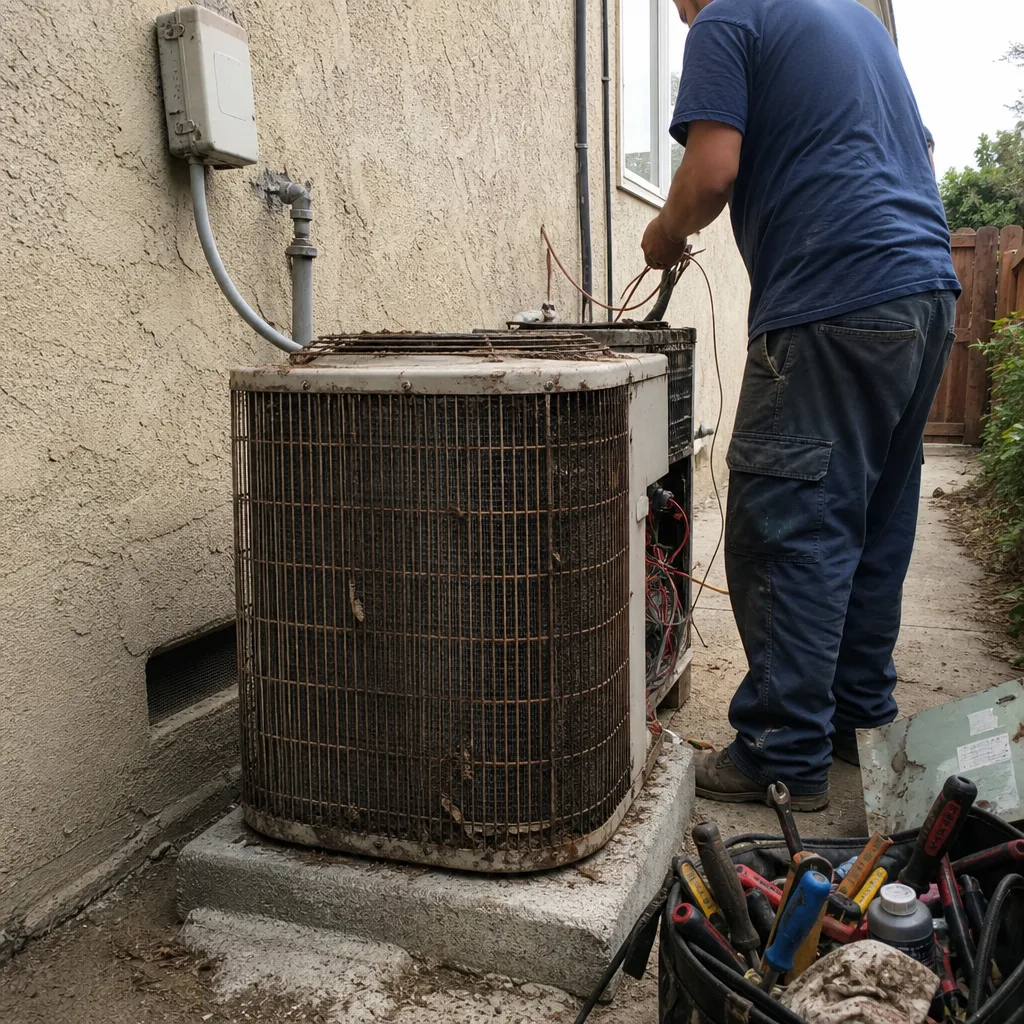 Before
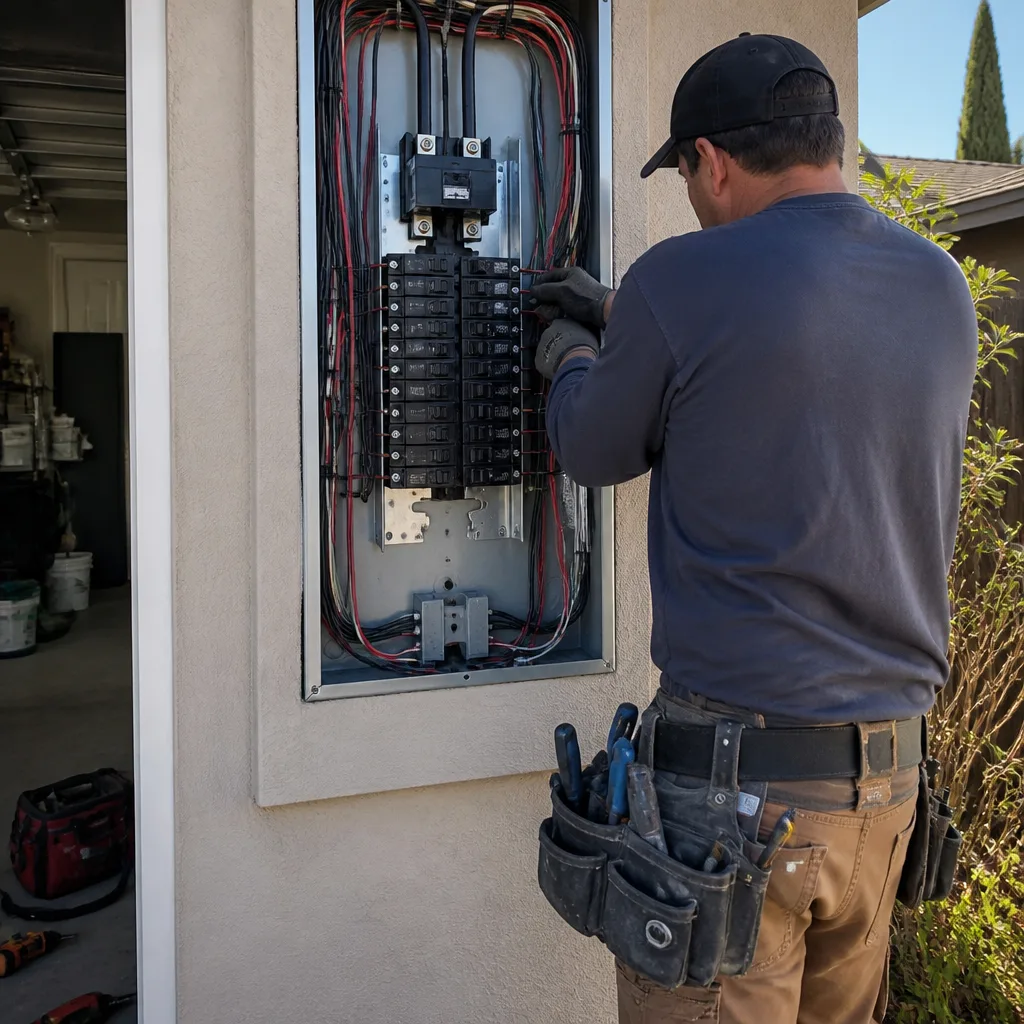 After
After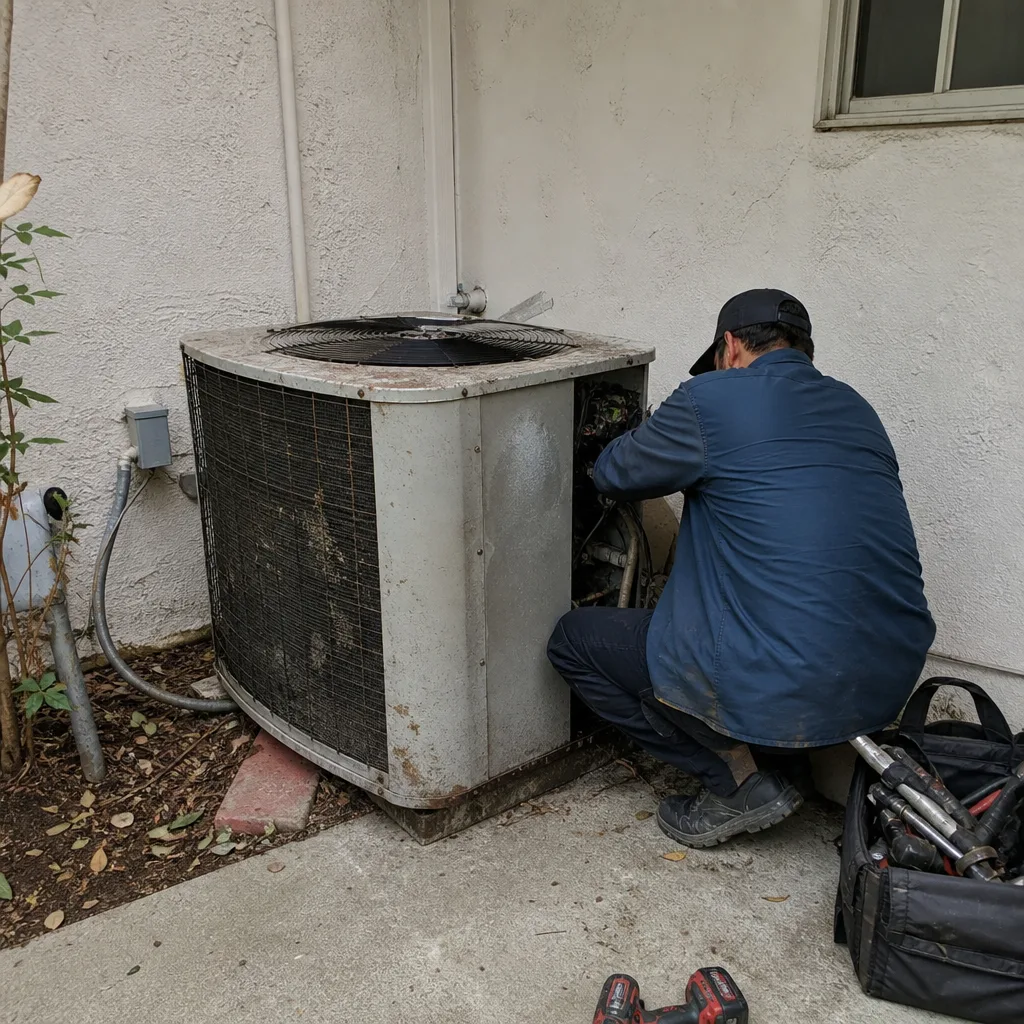 Before
 After
AfterTuff Shed Driveway & Pavers: The Los Angeles Owner’s Guide
We stock and install Tuff Shed-compatible driveway and paver parts across Los Angeles, with most paver driveway installations running $8,260 to $21,240 depending on square footage, base prep, and the paver line you choose. The most common call we get starts the same way: a homeowner walks out after a rain and finds a low spot pooling water against the shed ramp, or a paver edge has started to sink and pull away from the concrete lip. That’s usually not a paver problem by itself. It’s the base underneath giving up, and pavers are just the first thing to show it.
Here’s the part most national parts sites won’t tell you: Tuff Shed doesn’t make pavers. The shed sits on whatever base you or a previous owner put under it, and the driveway or walkway leading to it is an independent hardscape. What we match is the specific clearance, slope, and load pattern a Tuff Shed needs, from the ramp transition at the door to the clearance under a double-door swing. If the base settles even an inch and a half near the shed, the door starts dragging, the ramp binds, and water finds its way under the sill plate. Los Angeles clay soil expands and contracts with every wet winter and dry summer, so we see this cycle repeat in neighborhoods from the Valley down to the Westside.
Which Tuff Shed Models This Applies To
Any Tuff Shed structure with a grade-level entry, including the Premier PRO, Premier Tall, and Sundance series, calls for a driveway or paver approach that holds its elevation. The shed doesn’t care what brand of paver you use. What matters is the door swing clearance, the ramp height, and how the pavers shed water away from the foundation. We’ve installed Belgard and Techo-Bloc pavers in front of Tuff Shed doors across Los Angeles, and both handle the load and weather without complaint.
The compatibility gotcha most owners miss: Tuff Shed doors are set to a specific height above the finished grade at install. If the driveway or paver pad is laid higher than that, the door scrapes. If it’s laid lower, you’ve created a step and a trip hazard. Before we quote anything, we measure the finished floor height, the door swing arc, and the existing grade drop. That’s the only way to know whether you need a full paver rebuild or a ramp regrade. OEM shed parts don’t cover any of this, because the driveway was never part of the shed kit. It’s the site work around it, and that’s where the failure usually lives.
For the base itself, we use a compacted aggregate base with a geotextile separator in Los Angeles clay conditions. Skip the fabric and the clay migrates up through the stone over five to ten years, and your pavers start shifting like loose teeth. We don’t skip it.
Signs Your Tuff Shed Driveway & Pavers Is Failing
- Water pooling at the shed ramp. The base has settled below the surrounding grade, creating a low spot that catches runoff. Every rain in Los Angeles makes it a little deeper, and eventually the water works under the ramp and into the shed floor framing.
- Pavers rocking or tilting near the door. A paver that moves when you step on it means the sand bed underneath has washed out or the base has settled unevenly. The rock is the symptom; the base is the problem.
- The shed door dragging or binding at the bottom. The approach settled, the shed didn’t move, and now the door’s arc is too close to the finish surface. In Los Angeles we see this most after the first heavy winter rains following a dry year.
- Edging separating at the driveway perimeter. Without solid edge restraint, the whole paver field starts walking outward under vehicle and foot traffic. The edges go first because they have nothing holding them from the outside.
- Weeds or grass breaking through between pavers. That’s the sand joint failing, and once roots get established they push pavers apart from below. It will not fix itself, and pulling weeds only slows it down for a season.
Replacement Cost & What’s Included
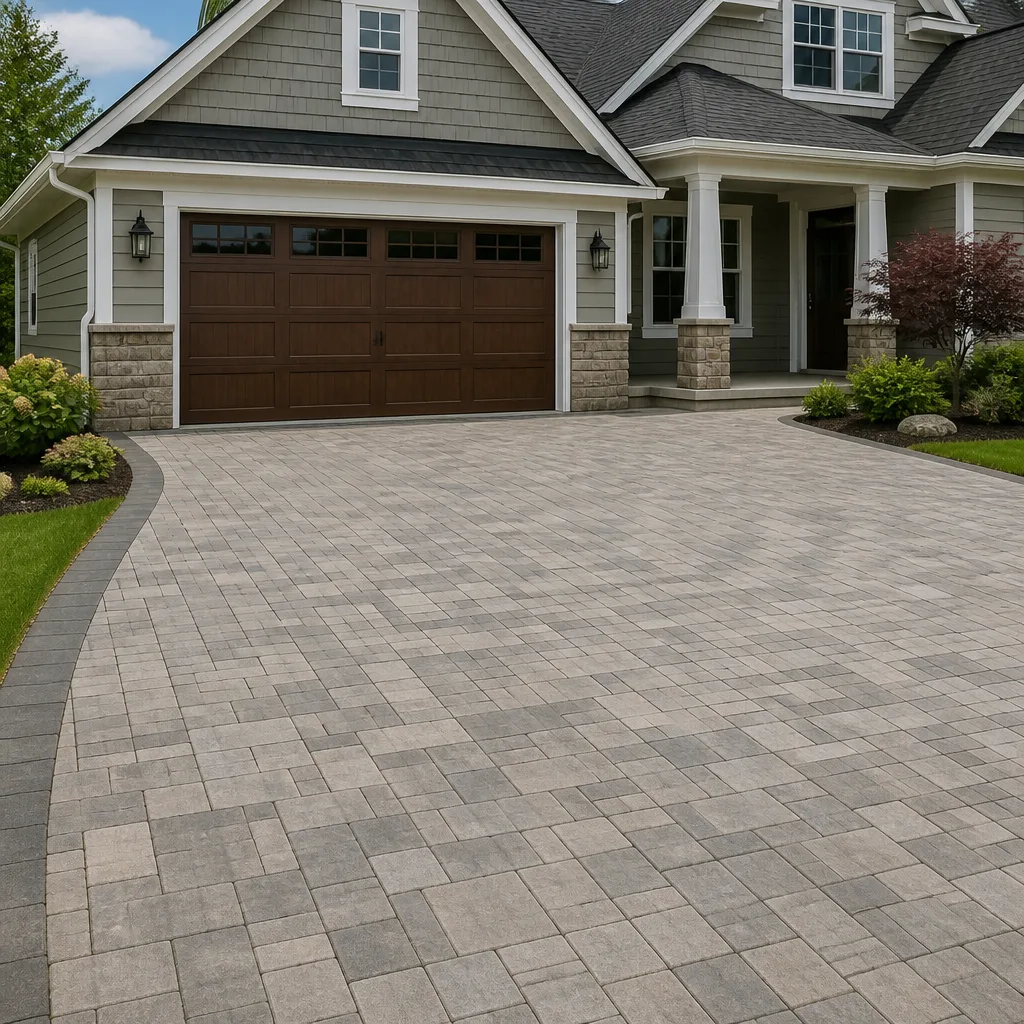
Full paver driveway installation in Los Angeles runs $8,260 to $21,240 at Barrett & Sons. The spread comes down to three things: total square footage, how much of the old base we have to remove, and the paver line you pick. Techo-Bloc and Belgard are our standard premium lines; both are brands you can look up, hold up to Southern California sun without fading, and carry manufacturer warranties.
Every quote includes demolition and haul-off of the failed surface, base prep with compacted aggregate and geotextile fabric, paver install, edge restraint, sand joints, and a final compaction pass. That’s the whole job, in writing, before we start. If the scope changes, you get a written change order before the new work happens, and the price on that change order is the price you pay. We don’t hand over a bill at the end that looks nothing like the phone call. The work is backed by our 90-Day Done Right Promise: if it’s not right, we come back and make it right. Most paver jobs take us three to five working days on site, weather permitting.
DIY or Call Us?
You can safely check a few things yourself before calling us. Walk the paver field and mark every spot that rocks underfoot. Check the gap between the shed door bottom and the grade at both corners. Pour a bucket of water at the high end of the approach and watch where it goes. None of that requires a tool beyond a level and good eyes.
But resetting pavers is not a weekend project at this scale. The pavers weigh hundreds of pounds per pallet, the base has to be excavated past the failed layer, and if you skip the geotextile fabric because the guy at the big-box store told you it was optional, you’ll be back in the same spot in five years. Los Angeles clay does not forgive shortcuts. If you want an honest read on whether the job is small or structural, call Barrett & Sons at (877) 610-1318 and we’ll tell you straight. The estimate is free, and if you have a written quote from someone else, we’ll give you a free second opinion on it.
FAQs
A properly installed paver driveway with a compacted aggregate base and geotextile separator should last 25 to 30 years in Los Angeles, with the pavers themselves often outlasting the base. What shortens the lifespan here is clay movement, poor drainage, and bases built without edge restraint. Call (877) 610-1318 and we’ll tell you what you’re working with before you spend a dollar.
Individual pavers can be pulled and reset if the failure is isolated and the base underneath is still sound. When the base has settled or washed out, patching pavers on top only buys you a year or two before the same spot sinks again. We’ll tell you which situation you have after looking at it, and the quote reflects only the work that actually needs to happen.
Most Tuff Shed paver driveway replacements in Los Angeles take three to five working days from demolition to final compaction. Rain can push that schedule; with our written change orders, you’ll know about any timing shift in writing before it happens. We schedule the work and Tom Barrett or his sons are on site most days, not a rotating crew of strangers.
We stock the hardscape materials that fail around Tuff Shed installations: paver repair units, edge restraint, polymeric sand, and base aggregate. Tuff Shed structure-specific parts like door hardware and ramp kits come from Tuff Shed directly or their suppliers, and we’ll match what’s on your shed before ordering. We’re an independent Los Angeles service provider; we’re not affiliated with Tuff Shed, which means we tell you honestly when a part needs to be OEM and when a quality equivalent does the same job for less.
Written by Tom Barrett, Owner, Barrett & Sons Construction at Barrett & Sons Construction, serving Los Angeles and nearby areas.