
Free written scope consultation - allowances, timeline, and change-order rules on paper before a single trade is scheduled
 Before
 After
After Before
 After
After Before
 After
AfterCambridge Pavers Fence Installation: The Los Angeles Owner’s Guide
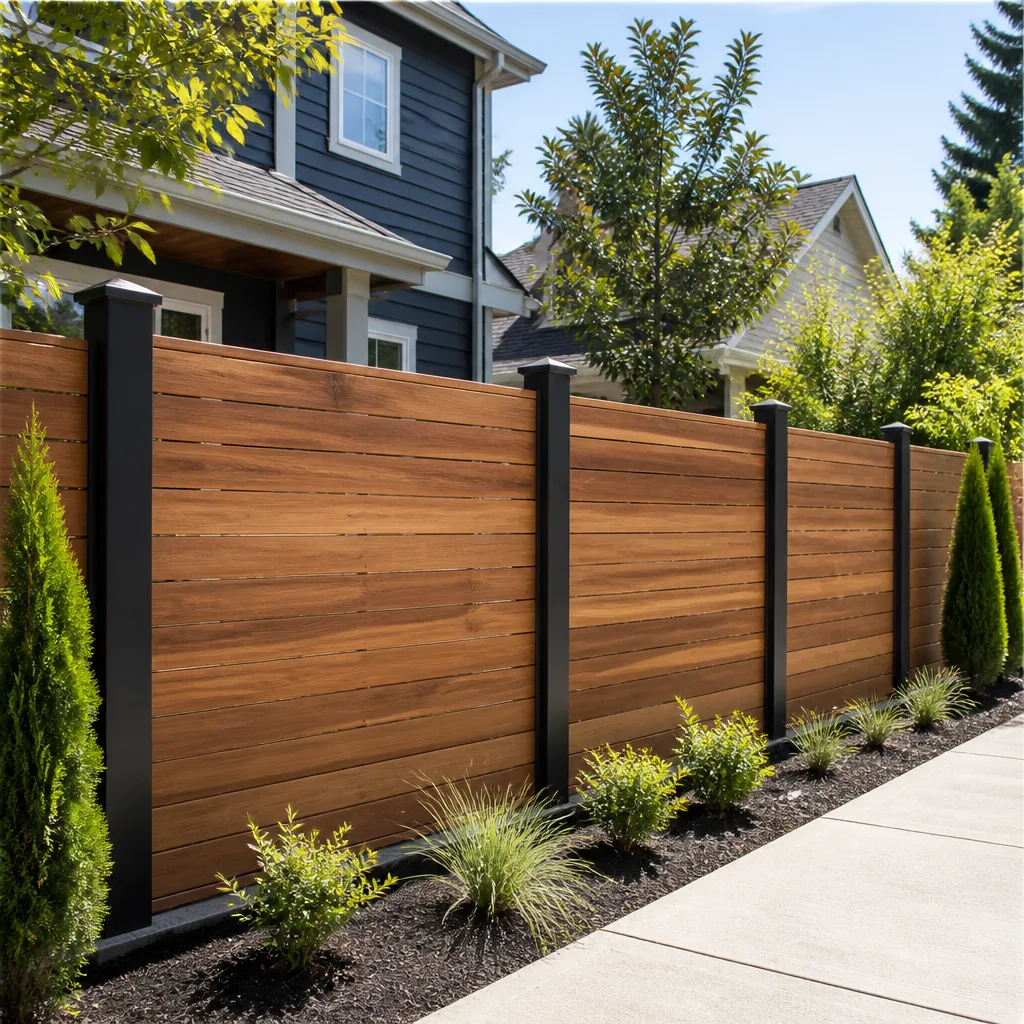
Cambridge Pavers fence installation in Los Angeles typically runs $4,130 to $10,620 installed, depending on linear footage, post depth, and whether your existing fence line needs demo or grading before we set the first post. Most owners find us after a fence starts leaning, a post crumbles at the base, or a gate sags so badly it drags across the pavers. We stock Cambridge-compatible fence components and install them with the same care we’d give any hardscape project, because in LA a fence anchored through pavers is a different job than a fence in dirt.
We’re an independent contractor. We are not affiliated with Cambridge Pavers, but we’ve installed enough of their product lines across Los Angeles neighborhoods from Sherman Oaks to Woodland Hills to know exactly how their pavers behave under fence posts, and what goes wrong when the two systems meet.
Which Cambridge Pavers Models This Applies To
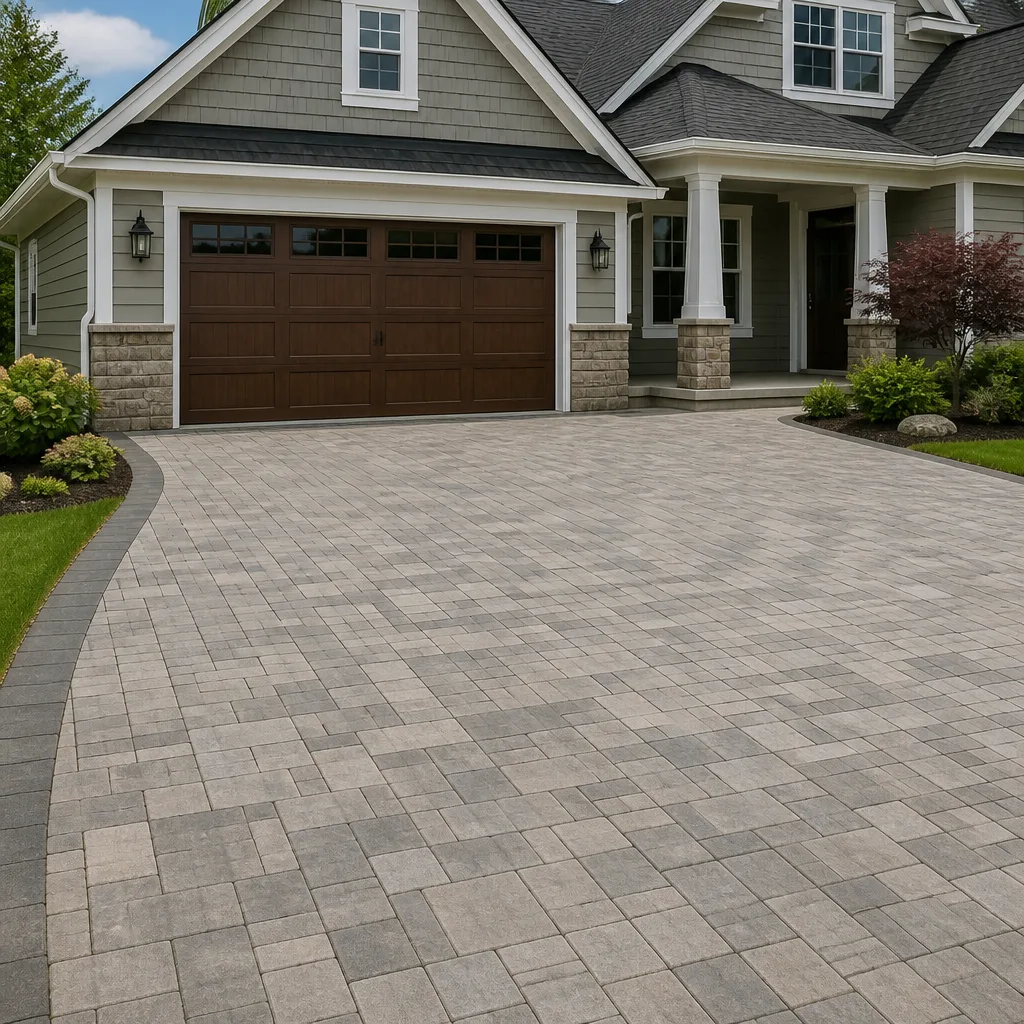
Cambridge Pavers makes several paver lines that routinely carry fence loads in Los Angeles backyards. The ones we see most often under fence posts are the Ledgestone, RoundTable, and Maytrx collections, plus their traditional 4×8 and 6×9 Holland and 3-piece modular systems. Here’s the compatibility gotcha most owners don’t discover until it’s too late: Cambridge fence installation almost always means core-drilling through the paver and setting the post in concrete below the paver base, not bolting a post bracket to the paver surface. A post bracket mounted on top of pavers will shear off within two years. In Los Angeles, where our clay soil expands and contracts through wet winters and dry summers, surface-mounted posts fail even faster.
To identify what you have, flip up a paver near the fence line. Cambridge stamps many of their pavers on the underside with a product code. If you can’t find a stamp, measure the paver: a true 60mm paver has enough body for core drilling without cracking if we use a wet diamond bit and steady pressure. Thinner 40mm pavers from other brands often crack at the drill point. That’s one reason we always verify the actual paver on site before quoting a Cambridge Pavers fence installation rather than guessing from a photo.
OEM versus aftermarket for fence components matters less than it does for, say, KraftMaid cabinet hardware or Silestone sink cutouts. Fence posts, rails, and pickets are mostly commodity steel, aluminum, or vinyl with standard dimensions. What matters is gauge thickness and post depth. We spec schedule 40 steel posts for most Los Angeles fence runs, especially where Santa Ana winds push hard against tall privacy fencing.
Signs Your Cambridge Pavers Fence Installation Is Failing
- Post lean at the paver line. The post is moving because its concrete footer wasn’t poured deep enough, or the paver base has eroded underneath. Los Angeles clay shrinks in drought years and swells after winter rain; a footer set at eighteen inches instead of thirty will start to lean within three seasons.
- Cracked pavers radiating from the post base. The post is transferring load into the paver instead of the footing below it. This happens when someone set the post directly on the paver surface and called it good. The paver flexes, then fractures.
- Gate drag or latch misalignment. The gate post has shifted. Gates concentrate all their weight on one hinge post, and when that post moves even half an inch, the latch stops lining up. In summer, wood and vinyl also expand, which can make a gate stick even when the post is solid.
- Rusted or pitted post bases. Water pools at the paver line and never drains. Over time, that constant moisture eats galvanized coatings and starts the rust cycle. We see this most often in older Los Angeles fences where drainage wasn’t planned for our winter rain bursts.
- Loose rails or popped fasteners. The fence is racking, which means one end is sinking or lifting relative to the other. On paver-topped ground, the usual cause is base settlement beneath the pavers, not the fence hardware itself. Fixing the fence without fixing the base is a band-aid.
Replacement Cost & What’s Included
A full Cambridge Pavers fence installation in Los Angeles runs $4,130 to $10,620. That range covers removing the old fence, core-drilling through existing pavers where we can reuse them, setting new posts in concrete below the paver line, hanging new rails and pickets, and hauling away debris. The low end represents a shorter run with basic pressure-treated posts and standard cedar or vinyl pickets. The high end covers longer runs, taller privacy fencing, aluminum or premium vinyl systems, and jobs where the pavers have to come up and be re-laid because the base underneath has failed.
What drives price more than anything is what we find under the pavers. If the original base was compacted properly, we can often core-drill and go. If it wasn’t, the pavers come up, the base gets re-graded and compacted, and the pavers go back down before we set posts. That’s a bigger job, and you’ll know about it before we start, because every allowance and every price change comes to you as a written change order before work proceeds. No surprises at the end of the job. That’s been our rule since 1998.
Every Cambridge Pavers fence installation we do in Los Angeles includes a written scope, permits where the city requires them, and our 90-Day Done Right Promise. If something’s not right, call us and Tom Barrett comes back. No fine print. It’s on every contract. Call (877) 610-1318 for a free estimate.
DIY or Call Us?
You can safely check a few things yourself before making the call. Look at whether the lean is in the post or in the paver bed. Press on the post at chest height and watch the base; if you see movement at the paver line, that’s a footer problem, not a hardware problem. Check for standing water around the posts after rain. Make a note of which direction the fence leans and whether the gate drags. Those observations help us quote accurately over the phone.
What you don’t want to do is pull up pavers and try to re-set a post yourself. The post footer under a fence carries lateral wind load and gate weight, and in Los Angeles clay soil, getting the depth and concrete mix wrong means doing the job twice. Core-drilling through a Cambridge paver with the wrong bit cracks the paver and turns a $300 post repair into a $2,000 paver replacement. If the post is rotted below grade or the base has failed, that’s a job for someone who does this every week. Call (877) 610-1318 and we’ll come look at no charge if you’re inside the county.
FAQs
A properly set fence with posts in concrete below the paver line lasts 20 to 30 years in Los Angeles. The pavers themselves can go 40 or more. What shortens fence life here is shallow footers, poor drainage, and surface mounting. We build to the longer number.
Usually, yes, if the posts are sound and the failure is in the rails, pickets, or gate hardware. If more than two posts are moving or the base under the pavers has settled, replacement is the honest recommendation. We’ll tell you which path makes sense before any money changes hands. Call (877) 610-1318 for an exact quote, estimates are free.
Most Los Angeles fence installations take two to four working days, depending on run length and whether pavers need to be lifted and re-laid. Demolition and base repair add time. We’ll give you a written schedule before work starts, and if that schedule changes, you’ll hear about it from a person, not an app.
We carry standard post sleeves, post caps, gate hinges, latches, and rail brackets on our trucks for the most common Cambridge fence configurations in Los Angeles. Custom heights and specialty hardware may need ordering. We’ll confirm what’s needed at the estimate so you’re not waiting on parts after the job starts.
Written by Tom Barrett, Owner, Barrett & Sons Construction at Barrett & Sons Construction, serving Los Angeles and nearby areas.