
Free written scope consultation - allowances, timeline, and change-order rules on paper before a single trade is scheduled
 Before
 After
After Before
 After
After Before
 After
AfterCGI Home Additions & ADU: The Los Angeles Owner’s Guide
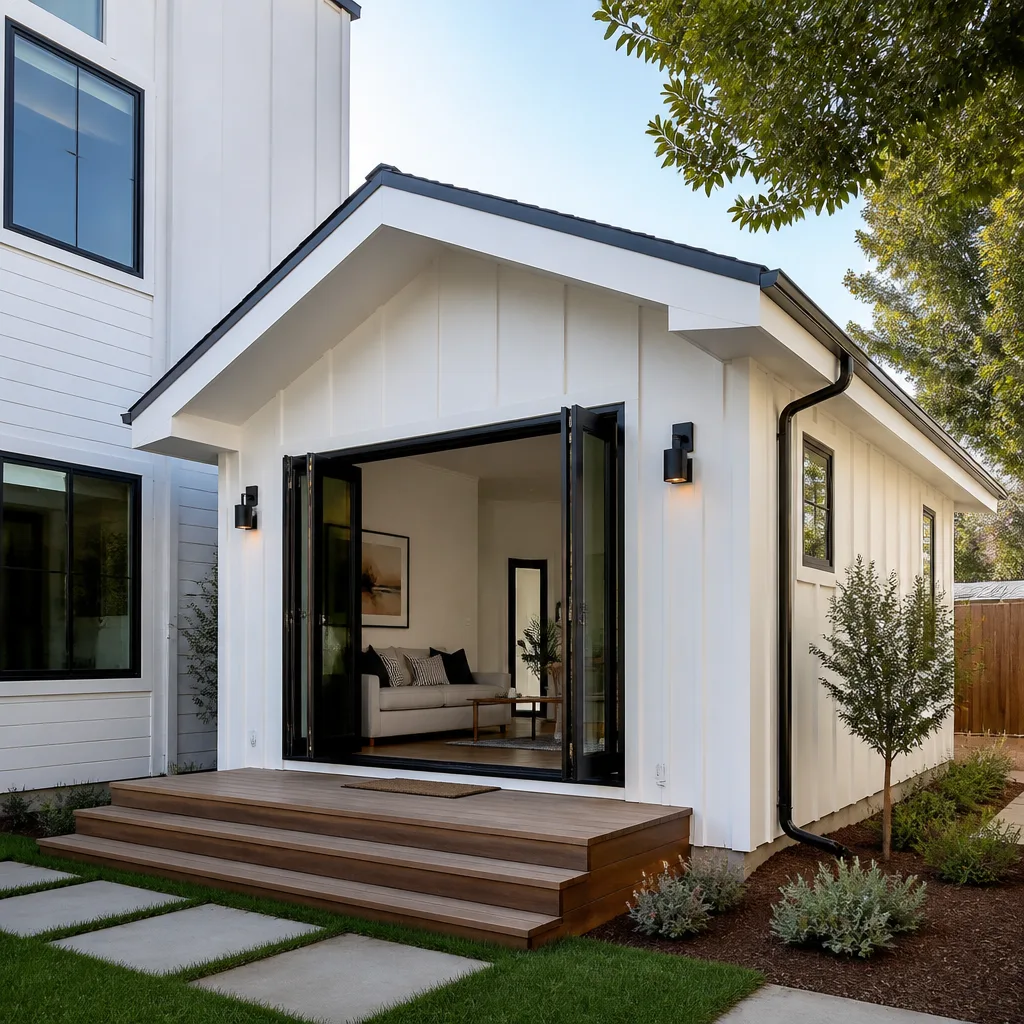
CGI home additions and ADU construction in Los Angeles typically runs $53,100 to $153,400 installed, depending on whether you’re pulling new foundation lines, matching existing framing, or converting a garage into a permitted dwelling. Most Los Angeles homeowners discover the need for this kind of work when their family outgrows the floor plan, when an aging parent moves in, or when a failed DIY or fly-by-night addition starts showing drywall cracks and sagging headers. We’ve been building and remodeling homes across Los Angeles since 1998, and the calls we take usually start the same way: someone needs more room, they’ve already been burned once, and they want a straight answer on what it costs.
Here’s the thing about additions and ADUs in Los Angeles that the glossy brochures won’t tell you: the structural part isn’t where the budget goes off the rails. It’s the allowances. Flooring allowances, window allowances, cabinet allowances. An allowance that isn’t on paper is a surprise waiting for a date. Tom Barrett and his sons have spent nearly three decades turning that sentence into a contract provision. When we scope a home addition or ADU in Los Angeles, every single allowance sits in writing, and every change gets a written change order before a single nail moves. That’s not a sales pitch. That’s the reason people who got burned once call us for the second try.
Before we get into models, signs, and costs, understand this: Barrett & Sons Construction is an independent, owner-operated contractor. We are not affiliated with CGI. What we bring to a CGI home addition or ADU project is the same thing we bring to every job in Los Angeles: framing that passes inspection the first time, permits pulled on every eligible scope, and a 90-Day Done Right Promise on every contract.
Which CGI Models This Applies To
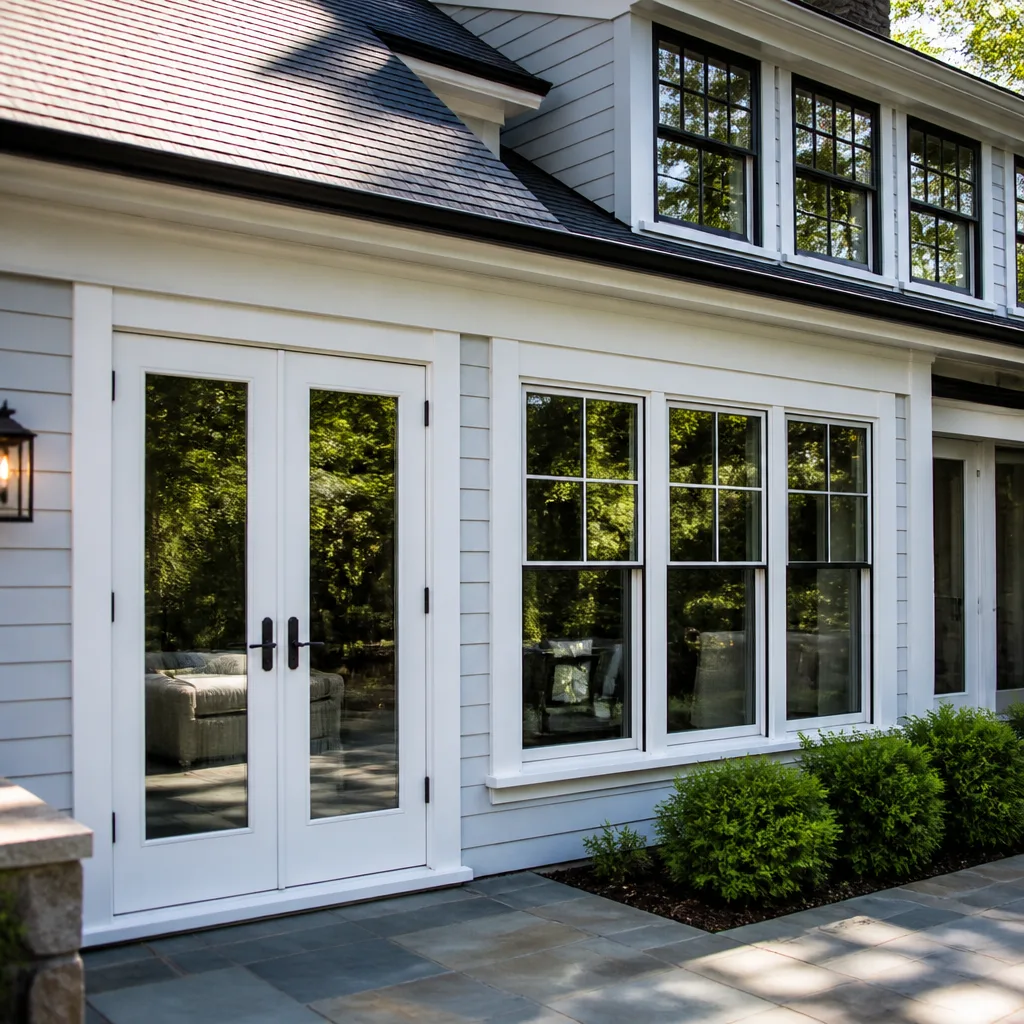
CGI doesn’t manufacture structural framing kits for home additions the way they manufacture windows and doors. What we see on Los Angeles jobsites is a mix: a homeowner wants their new addition or ADU to match the CGI windows and sliding doors already on the main house, or they’ve spec’d CGI windows into an ADU plan and need the rough openings framed to CGI’s exact sizing. That’s where the compatibility work happens.
If your existing home has CGI windows, look for the aluminum tag on the frame edge. It’ll list the series and the size code, typically the CGI 900 Series or the CGI Estate Collection on higher-end Los Angeles builds. The rough-in dimension on CGI units runs tighter than standard box-store windows, usually a half-inch to three-quarters narrower in the opening. If the framer doesn’t know that, you end up with a window that doesn’t seat and a stucco patch that cracks by the second summer. Our crews frame rough openings to the manufacturer’s spec, not the “close enough” spec.
For the OEM-versus-aftermarket decision on CGI windows and doors in an addition or ADU: order OEM when the main house carries the same CGI lines and you care about sightlines matching across the property. Go with a quality aftermarket equivalent only if the existing CGI units are older and already mismatched, or if lead time on OEM becomes the schedule killer. In Los Angeles, CGI lead times have stretched past sixteen weeks on some series during the last few building cycles, and that delay alone has pushed more than one homeowner toward a comparable Andersen or Marvin line. We’ll lay out both options with prices and lead times in writing, and you pick. We don’t pick for you.
Signs Your CGI Home Additions & ADU Is Failing
- Drywall cracks radiating from window and door corners. In Los Angeles, the combination of clay soil movement and seismic settling puts stress at the corners of every rough opening. If your CGI addition shows corner cracks within the first two years, the framing wasn’t reinforced to L.A. seismic code, or the header wasn’t sized for the span.
- Doors that stick in summer and swing loose in winter. Los Angeles has two seasons: dry heat and damp marine layer. A door that binds seasonally means the rough opening shifted, which usually traces back to a foundation poured too shallow or without proper rebar for the soil type.
- Visible daylight around the exterior edge of CGI windows. This one’s straightforward. The flashing was done wrong or skipped. In a Los Angeles rain year, that gap takes water straight into the wall cavity, and you don’t find out until the drywall blooms.
- Floors that slope or bounce in the new space. A floor that flexes underfoot means the joists were undersized for the span or the subfloor wasn’t glued and screwed. We fix this by pulling the subfloor at the worst span, sistering joists to spec, and re-sheathing. It’s not a one-day job, and it’s not a one-hundred-dollar patch.
- Stucco cracks running horizontal across the addition’s exterior wall. Horizontal stucco cracks are the structural one to take seriously. Vertical hairline cracks are cosmetic. Horizontal cracks four feet or longer usually mean the shear wall is doing work it wasn’t designed to do. In Los Angeles, that’s an inspection issue, not a patching issue.
Replacement Cost & What’s Included
For a CGI-spec home addition in Los Angeles, plan on $53,100 to $153,400. A smaller addition, say a 400-square-foot family room extension with CGI windows and matching stucco, lands at the lower end. A full ADU with its own bath, kitchenette, separate electrical subpanel, and independent foundation runs toward the top, and a detached ADU with site work and new utility runs can push past it. The spread comes down to four things: foundation type (post-tension slab versus raised floor over crawl space), roofline tie-in complexity, finish level inside the space, and whether the addition carries its own HVAC load or piggybacks on the existing system.
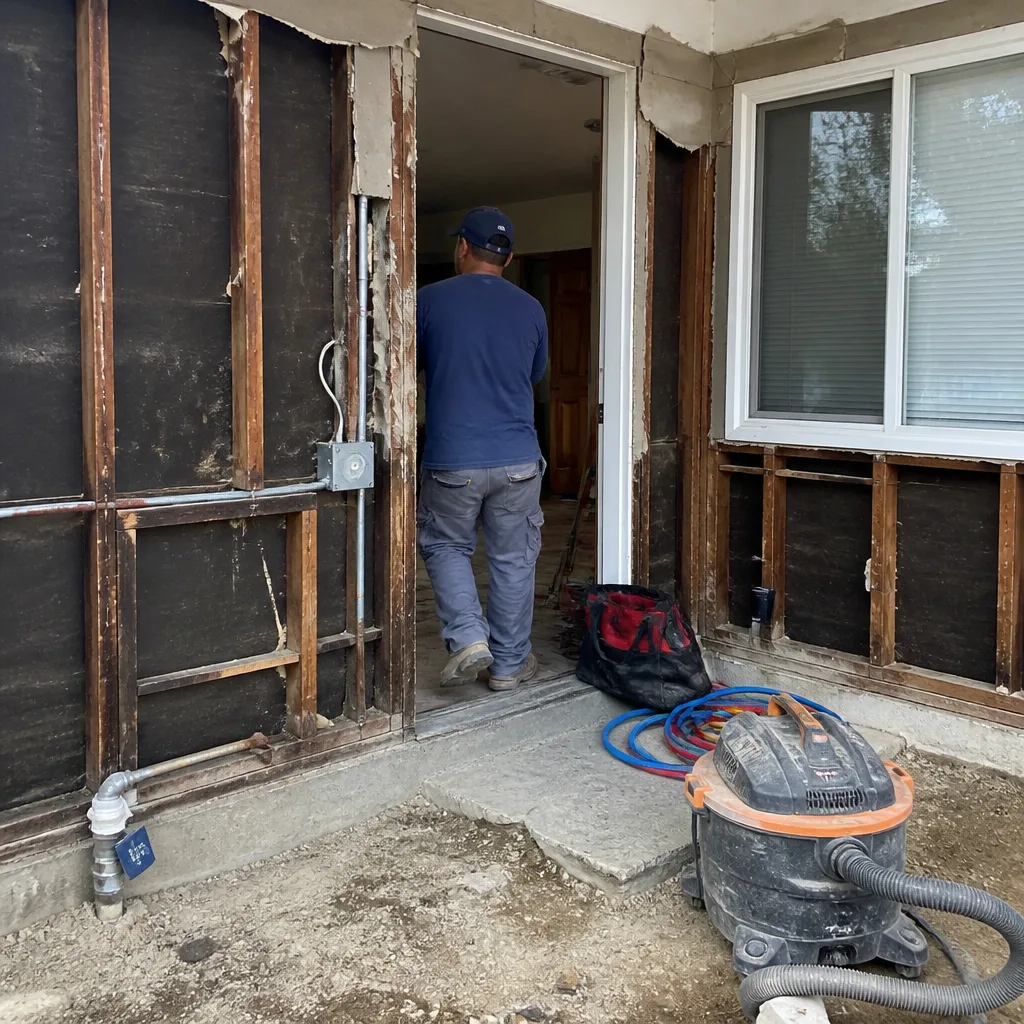
Our price includes the full scope in writing: demolition of the failed work if we’re redoing someone else’s job, permits pulled with the City of Los Angeles Department of Building and Safety, foundation and framing, roofing tied into the existing house, CGI window and door installation to manufacturer spec, drywall, stucco or siding, and rough-in for electrical and plumbing as scoped. What it doesn’t include is the allowance items, and those sit on paper before you sign so there’s never a surprise invoice at the end. Every completed job carries our 90-Day Done Right Promise in writing. If it’s not done right, Tom comes back and makes it right. One call.
DIY or Call Us?
An addition or ADU is not a DIY job, and anyone who tells you different is selling you something. But there are things you can do before you call that save everyone time. Walk the failing space and photograph every crack, every stuck door, every gap. Mark the wall with painter’s tape where the floor bounces. Pull the original building plans if you have them, and pull the permit history on the property from the L.A. Department of Building and Safety. That information tells us in five minutes whether the last contractor even pulled permits, and it tells you whether you’re dealing with a repair or a full replacement.
What you shouldn’t do is open up a load-bearing wall to “look at the problem.” That’s where a homeowner in Los Angeles can make a five-thousand-dollar repair into a twenty-thousand-dollar structural project, and it’s also where people get hurt. Framing, shear wall work, and foundation repair are licensed-contractor territory. If you’re not sure what you’re looking at, call us at (877) 610-1318. A live person answers, and we’ll talk through what you’re seeing before anyone sets foot on the property.
FAQs
A properly permitted and framed addition or ADU in Los Angeles should last fifty years or more on the structural side, with the finish surfaces (stucco, paint, roofing underlayment) needing their normal maintenance cycles. The lifespan killers here are bad drainage, skipped flashing, and foundation work done without a soils report. Those fail in five to ten years.
Usually yes, if the problem is isolated to a corner, a door opening, or a span of floor. We’ve saved dozens of Los Angeles additions with targeted structural repair, re-flashing around CGI windows, and new shear wall panels. If the foundation is the failure point, or if the original work was never permitted and doesn’t meet current code, full replacement is often cheaper than trying to patch around a bad pour. Call (877) 610-1318 and we’ll give you a straight read after a site visit.
A room addition in Los Angeles runs roughly three to five months with permitting. A detached ADU runs six to nine months. The schedule depends mostly on plan check times at LADBS, which we handle for you, and on material lead times for the windows and doors you spec. We’ll put the schedule in writing before we start and update it in writing if anything changes.
We order CGI units to your exact spec from our regular suppliers, and we coordinate delivery to the jobsite so nothing sits in the weather. We don’t warehouse CGI inventory we can’t turn, because that just raises everyone’s price. But we do keep the flashing, sealants, and fasteners on the truck for CGI-specific installs, and we know which supplier in Los Angeles can source the series you need fastest.
If you’ve got a failed addition or you’re ready to build an ADU in Los Angeles, call us at (877) 610-1318 for a free estimate. You’ll get Tom Barrett or one of his sons on the line, not a call center. We’ll lay out the scope in writing, pull permits on every eligible job, and stand behind the work with the 90-Day Done Right Promise. We’ll do it right the first time, or we’ll come back and make it right.
Written by Tom Barrett, Owner, Barrett & Sons Construction at Barrett & Sons Construction, serving Los Angeles and nearby areas.