
Free written scope consultation - allowances, timeline, and change-order rules on paper before a single trade is scheduled
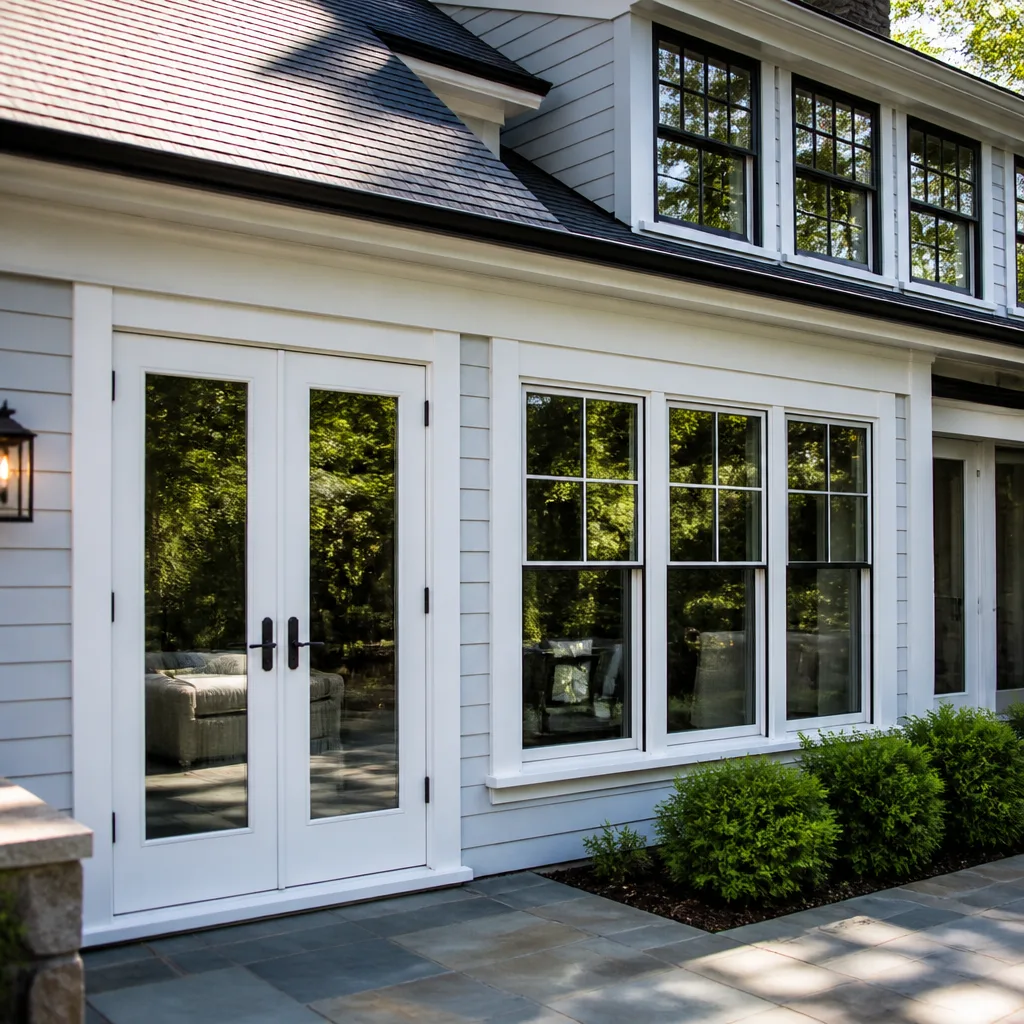
 Before
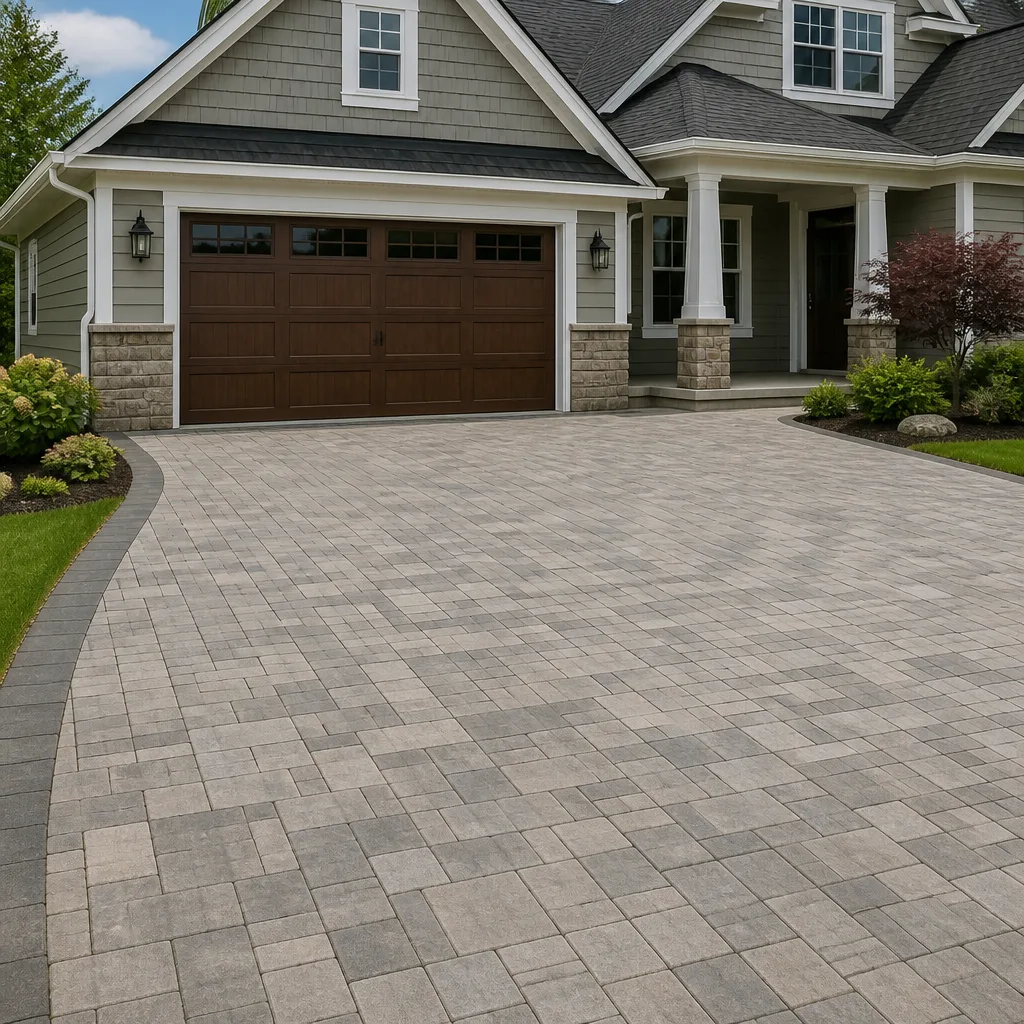
 After
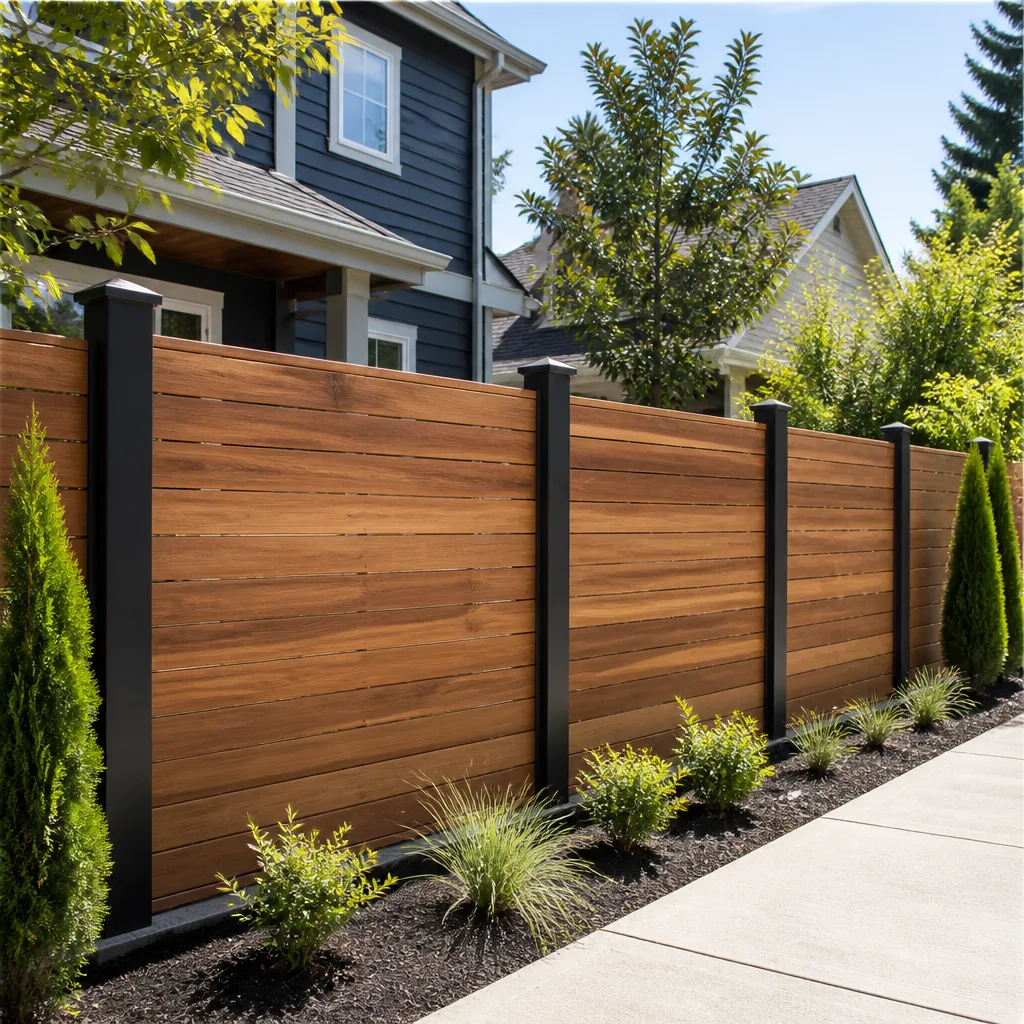
After Before
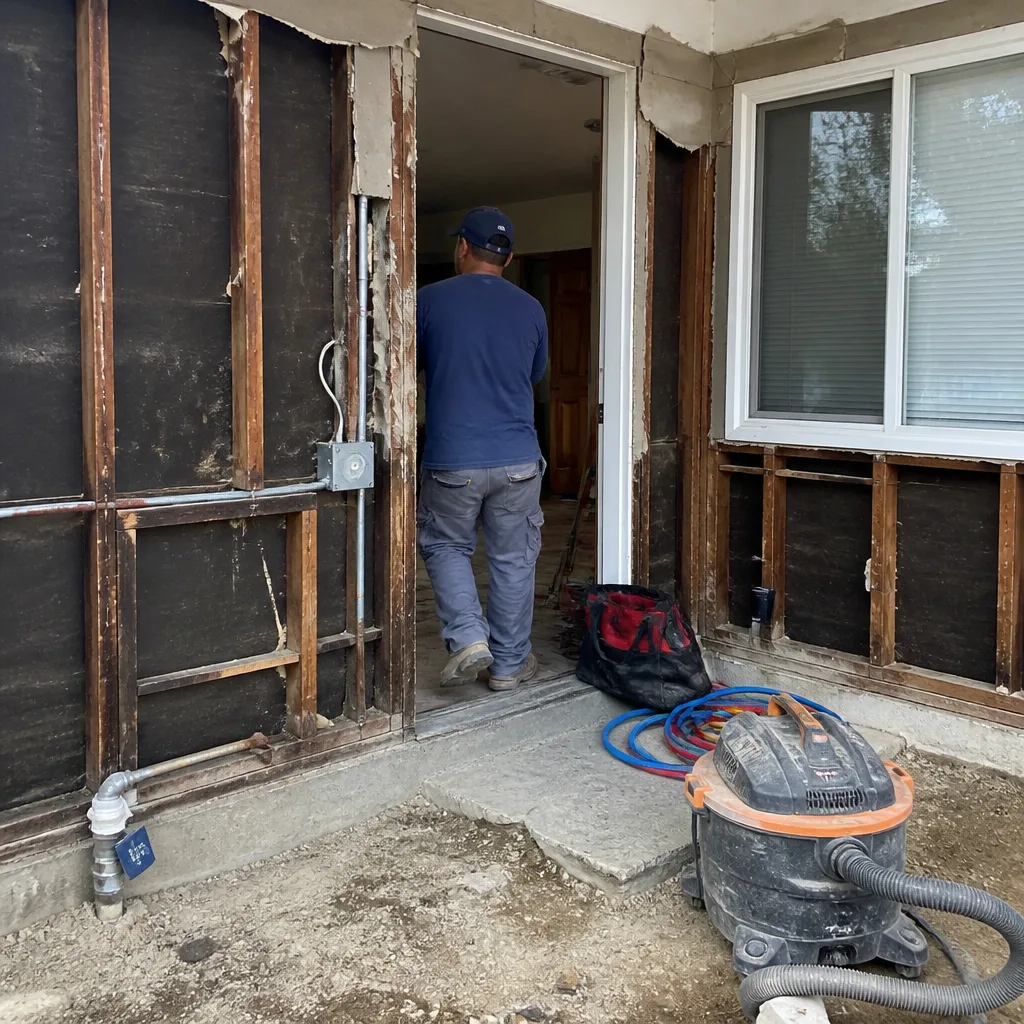
 After
After Before
 After
AfterSilestone Home Additions & ADU: The Los Angeles Owner’s Guide
If you’re planning a home addition or ADU in Los Angeles with Silestone surfaces, expect a full project to run between $53,100 and $153,400 installed, with the Silestone countertop portion typically landing between $2,360 and $7,670 depending on square footage and edge profile. We’re Barrett & Sons Construction, an independent Los Angeles contractor, not affiliated with Silestone, but we install their quartz on additions and ADUs across the city every month. Most owners reach out after a previous contractor quoted Silestone and then tried to swap in a mystery brand at the last minute, or after a countertop cracked during framing settlement and nobody would own the fix.
Key takeaways:
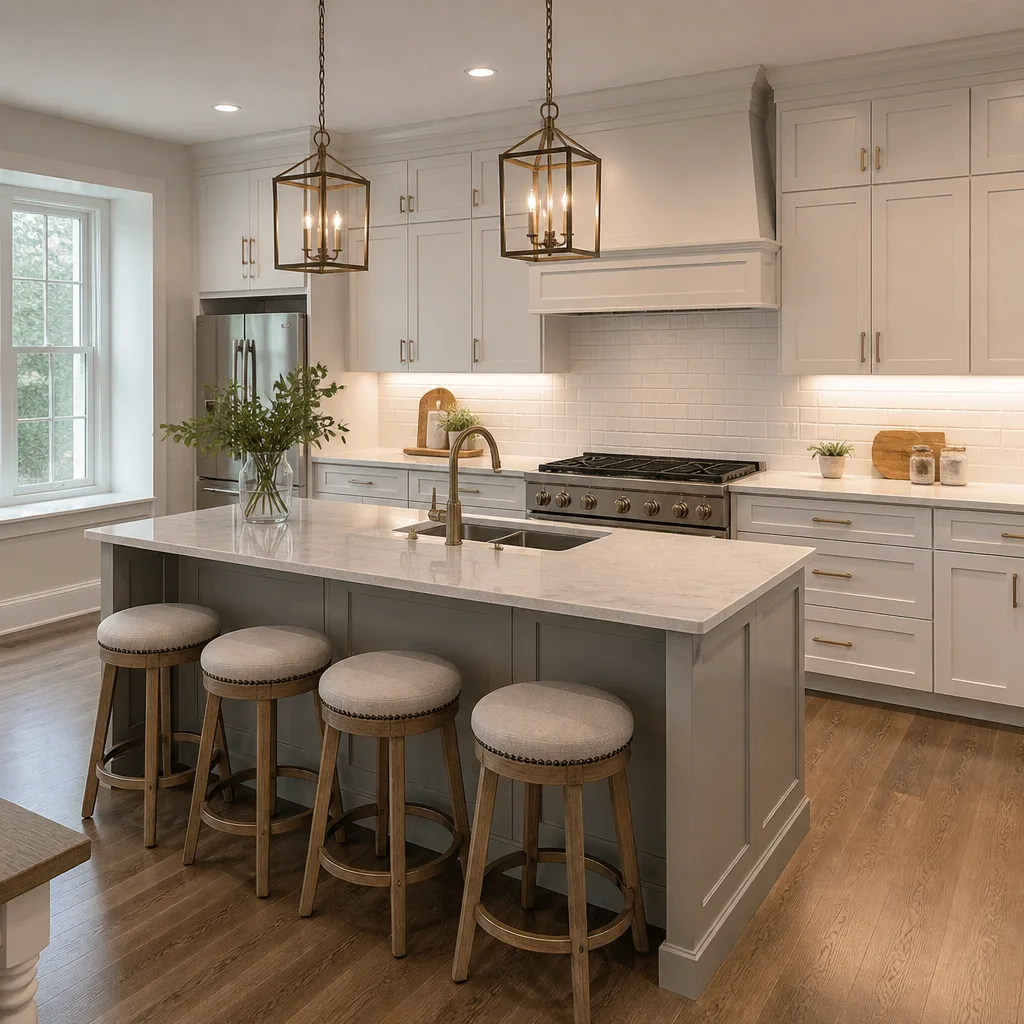
- Silestone slabs for ADU kitchens in Los Angeles run $2,360 to $7,670 installed, depending on tier and edge work.
- Full additions and ADUs using Silestone across kitchen, bath, and laundry spaces land between $53,100 and $153,400.
- We stock common Silestone profiles and can match existing colors on partial additions, so you’re not forced to tear out what’s already there.
- Permits get pulled on every eligible addition and ADU, and every price change arrives as a written change order before work moves.
Which Silestone Models This Applies To
Silestone doesn’t make “models” in the way an appliance brand does, but it does make specific color lines and slab tiers, and that’s where compatibility gets tricky on additions. The Suede and Polished finishes install differently, and the new HybriQ+ manufacturing line has a slightly different flex tolerance than the older standard quartz. If your existing Silestone kitchen is from before 2020, matching it on a new ADU wing may require sourcing a slab from the same lot, because quartz veining shifts between production runs. We’ve seen Los Angeles homeowners sign off on a sample chip, then get a slab with noticeably different movement because the fabricator pulled from a different dye lot.
For the OEM-versus-aftermarket question, Silestone is a branded quartz, so there’s no generic equivalent the way there is with faucet cartridges. What you can choose is edge profile, thickness (2cm or 3cm), and whether you want full-height backsplash in the same run. On Los Angeles ADU projects, 3cm slabs with a simple eased edge hold up best to the temperature swings between the Valley’s heat and coastal moisture, and they don’t need plywood underlayment the way 2cm sometimes does. We carry Cambria, KraftMaid, and Kohler alongside Silestone, so if a matching slab is backordered, you’re not stuck waiting on one supplier’s timeline.
Signs Your Silestone Home Additions & ADU Is Failing
- Hairline cracks running from the sink cutout. This is the classic Silestone addition failure in Los Angeles. The sink opening creates the thinnest stress point, and if the cabinet underneath settles even a quarter inch, the slab cracks. We see it most often in ADUs built on pier foundations in the hills.
- Seams opening up between slabs. On longer runs, Silestone seams are filled with color-matched epoxy. When the seam starts catching your fingernail or showing a dark line, the substrate is moving or the original seam wasn’t clamped properly during install.
- Discoloration around the faucet bases. Hard water in Los Angeles, especially in areas fed by the Metropolitan Water District’s harder supply, etches into the resin around fixtures if the original sealant bead failed. It looks like a permanent shadow and it doesn’t scrub out.
- Chipping along the front edge. Silestone is dense, but a dropped cast iron pan will chip it. Small chips can sometimes be filled; a row of chips along the edge means the overhang was cut too thin for the support brackets.
- Slab rocking or a hollow tap when you knock. If the slab moves under hand pressure or sounds hollow in spots, the adhesive bond between quartz and cabinet deck has broken. Left alone, the slab eventually cracks under its own weight.
Replacement Cost & What’s Included
In Los Angeles, Silestone replacement on an existing addition or ADU runs $2,360 to $7,670 installed, depending on slab tier, square footage, edge work, and whether you’re replacing one section or the full run. The higher end covers premium Silestone colors, a waterfall edge, full-height backsplash, and teardown of the old surface. The lower end is a standard color, eased edge, and straight replacement.
What drives the price most in Los Angeles is access. An ADU behind a house with a narrow side yard means the fabricator can’t get a full slab dolly through, so the slab has to be cut off-site and seamed on location. That adds labor. We write every quote with the slab cost, fabrication, delivery, install, and disposal as separate line items, so you see exactly what you’re paying for. And every installation carries our 90-Day Done Right Promise. If the seam opens or the slab shifts because we missed a level check, Tom Barrett comes back and fixes it without a change order. That’s the deal in writing.
DIY or Call Us?
A Silestone slab weighs roughly 14 to 18 pounds per square foot, so a standard ADU kitchen counter can run 300 to 500 pounds. That’s not a two-person weekend job, and dropping a slab doesn’t just crack the quartz, it damages cabinets, floors, and whoever’s toes are in the way. What you can safely do is check the level of your existing cabinets with a 4-foot level, look for signs of settling around doors and windows that might shift the substrate, and document everything with photos before calling us.
What we don’t recommend is trying to cut or seam Silestone yourself. The diamond tooling alone costs more than a professional install on a small section, and the dust from dry cutting is not something you want in your lungs. If the slab has already cracked, call us at (877) 610-1318. We’ll tell you honestly whether the section can be patched or needs a full replacement before anyone sets foot in a truck.
FAQs
Silestone quartz typically lasts 20 to 25 years in a Los Angeles home before cosmetic wear makes replacement worth considering, assuming the substrate stays level and the slab was installed correctly. That lifespan holds across Los Angeles, though ADUs in the Valley see more thermal expansion stress than coastal builds. Call (877) 610-1318 and we’ll take a look at what you’ve got.
Yes, hairline cracks away from the sink cutout can often be color-matched and epoxy-filled by a fabricator with the right tint kit, while cracks radiating from the sink or faucet holes generally require section replacement. The honest answer depends on where the crack sits and why it formed. Call us and we’ll tell you straight.
A straight Silestone replacement on an existing cabinet run takes one to two days from teardown through install, with the slab templated and cut off-site the week before. If new cabinetry or substrate repairs are involved, the schedule stretches accordingly. We’ll put the timeline in writing before any work starts.
We keep a range of common Silestone colors and thicknesses available through our Los Angeles fabricators, and we can match most existing colors within two weeks. If your color is backordered at the distributor, we’ll tell you on the first call rather than promising a date we can’t hold. Call (877) 610-1318 with your color name and we’ll check stock while you’re on the phone.
Written by Tom Barrett, Owner, Barrett & Sons Construction at Barrett & Sons Construction, serving Los Angeles and nearby areas.